
Aftonbladet: Sweden’s long-established evening newspaper
Aftonbladet is a major Swedish daily founded in 1830. Begun as a liberal paper by Lars Johan Hierta, it later came under the Social Democratic movement and remains influential in Swedish public life and online media.
Overview
Aftonbladet is a prominent Swedish daily originally founded as an evening paper. Its name literally means "the evening paper" in Swedish. Established on 6 December 1830 by journalist and publisher Lars Johan Hierta, the title quickly became one of the most widely read newspapers in Sweden. Over its long history it has combined news reporting with commentary, cultural coverage, and popular features aimed at a broad audience.
Image gallery
5 Images


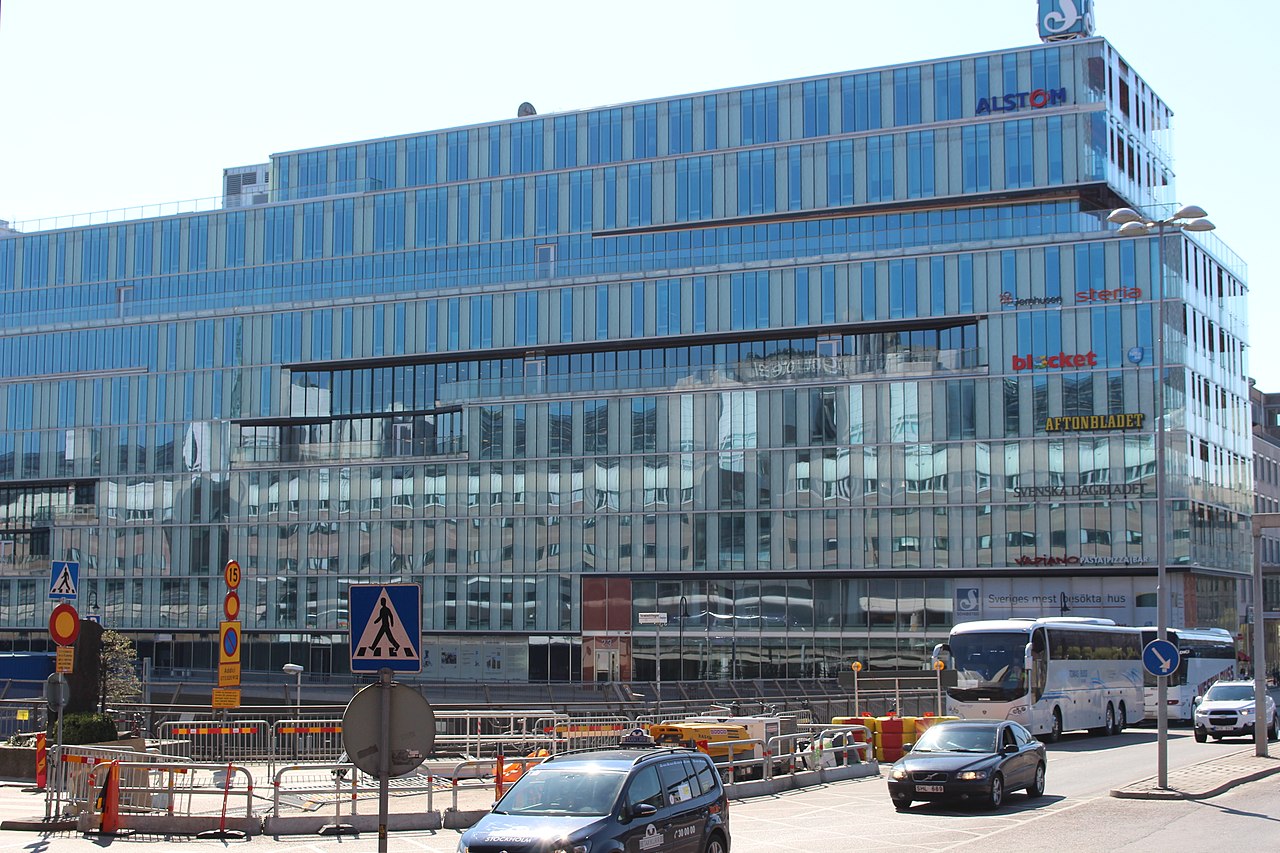

History and ownership
When it began, Aftonbladet championed a liberal agenda and played a part in the 19th-century debates about press freedom and political reform in Sweden. In early October 1956 the paper was acquired by organizations associated with the Social Democratic Party and trade union movement, a change that influenced its editorial perspective. Since then it has undergone commercial and technological transformations as print media and later digital distribution evolved.
Characteristics and content
The newspaper is known for concise, accessible journalism and a tabloid-style presentation in sections that include national and international news, politics, culture, sport, and opinion. It publishes investigative pieces as well as features intended for mass readership, and it maintains an active online edition that reaches readers beyond traditional print circulation.
Role and notable facts
Aftonbladet has been an important platform in Swedish public debate, influencing political discussion and popular culture. Its blend of hard reporting, commentary and entertainment has made it a model for large-format newspapers that balance serious coverage with broad appeal. Readers seeking the paper's current coverage can consult its web presence or archive resources for historical research.
Typical sections
- News: national and international reporting
- Opinion and editorials
- Culture and entertainment
- Sports coverage and analysis
Related articles
Author
AlegsaOnline.com Aftonbladet: Sweden’s long-established evening newspaper Leandro Alegsa
URL: https://en.alegsaonline.com/art/1317
Sources
- ne.se : "Aftonbladet"