
Airline alliance
A cooperative arrangement among airlines to coordinate routes, services and customer benefits. Major global alliances—Star Alliance, SkyTeam and Oneworld—enable wider networks and shared services.
An airline alliance is a formal cooperation between two or more air carriers to coordinate certain commercial and operational activities. These arrangements allow participating airlines to expand their combined route networks, share infrastructure and offer reciprocal services without full mergers. Alliances are governed by negotiated agreements that define areas of cooperation such as scheduling, ticketing, lounges and frequent‑flyer reciprocity.
Image gallery
7 Images
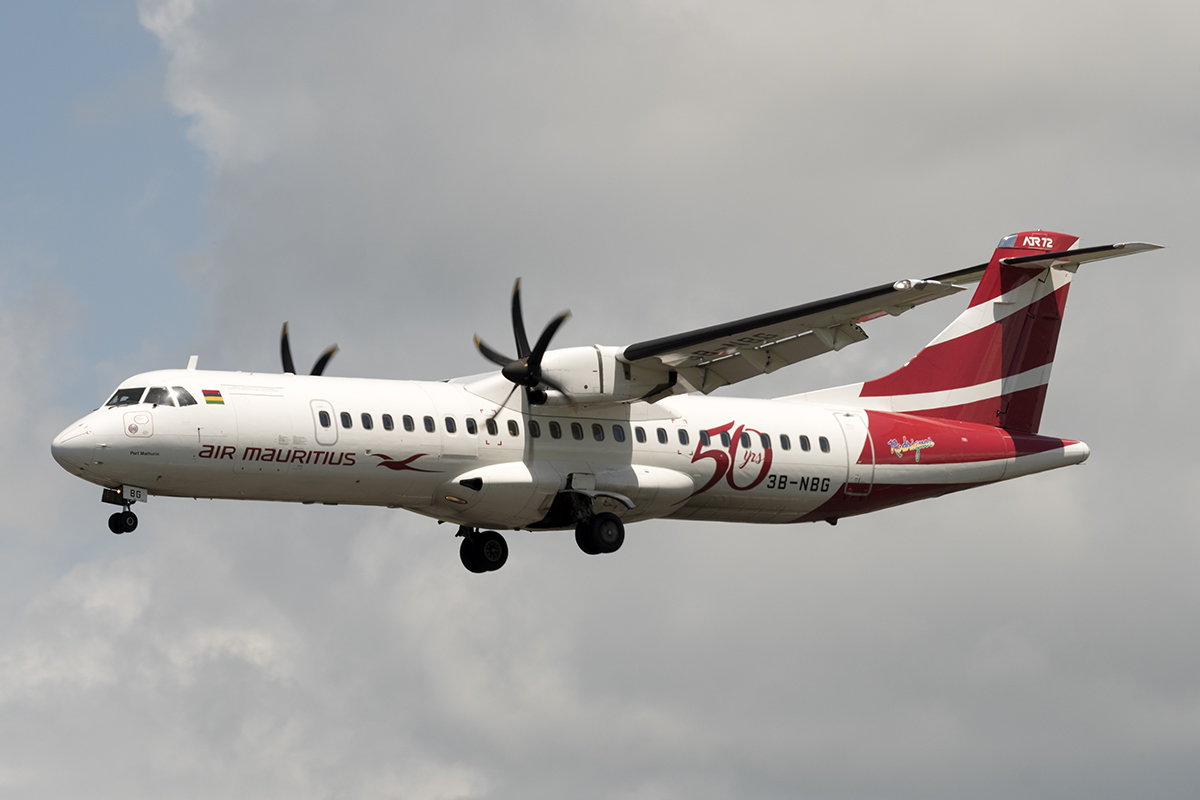


Major global alliances
The most visible international groups are Star Alliance, SkyTeam and Oneworld. Each brings together carriers from different regions to create a more seamless travel experience. Typical members include flagship and large network carriers such as United, Lufthansa and Air Canada in Star Alliance; Delta, KLM and Air France in SkyTeam; and American Airlines, British Airways and Qantas in Oneworld.
How alliances function
Alliances typically enable several practical arrangements. Members often sell each other’s seats through codeshare agreements, coordinating schedules to improve connections and reduce layover times. Airlines may allow mutual lounge access, accept check‑through baggage across partner itineraries, and honor elite status and miles earned on partner flights. Behind the scenes there can be joint purchasing, coordinated route planning and shared ground facilities at key hubs.
History and development
Airline alliances emerged in the late 20th century as carriers sought growth beyond national boundaries while avoiding the regulatory and financial complexity of mergers. Deregulation, globalization and the rise of hub‑and‑spoke networks encouraged cooperation. Over time alliances evolved from simple marketing pacts into comprehensive partnerships covering customer service, operations and commercial strategy.
Benefits, limits and notable considerations
For passengers, alliances increase connectivity, simplify transfers and provide more consistent frequent‑flyer benefits. For airlines, they offer network reach, cost efficiencies and improved competitiveness. However, alliances are not a substitute for a single airline’s product consistency: service standards, fare rules and aircraft types can still vary between members. Regulatory authorities sometimes review alliance agreements for competition concerns, particularly on lucrative international routes.
- Typical passenger advantages: coordinated itineraries, lounge access, mileage accrual across partners.
- Operational collaboration: codeshares, joint scheduling, shared airport facilities.
- Limitations: differing service levels, partial integration of pricing, occasional antitrust scrutiny.
Airline alliances remain a central feature of global aviation, shaping how airlines plan networks and how travelers move between continents. For more information on individual groups and members consult primary sources and official alliance pages listed by carrier and alliance organizations.
Questions and answers
Q: What is an airline alliance?
A: An airline alliance is an agreement between two or more airlines to work together.
Q: What are the three largest airline alliances?
A: The three largest airline alliances are Star Alliance, SkyTeam, and Oneworld.
Q: How do airline alliances benefit passengers?
A: Airline alliances make it easier for passengers to travel around the world, reducing their stops or connections.
Q: Which is the biggest airline alliance and what are some of its member airlines?
A: The biggest airline alliance is Star Alliance, which has 28 member airlines such as United, Lufthansa, and Air Canada.
Q: Which is the second biggest airline alliance and what are some of its member airlines?
A: The second biggest airline alliance is SkyTeam, which has 19 members including Delta, KLM, and Air France.
Q: Which is the third biggest airline alliance and what are some of its member airlines?
A: The third biggest airline alliance is Oneworld, which has 13 members including American Airlines, British Airways, and Qantas.
Q: How do airline alliances impact the airline industry?
A: Airline alliances create competition among airlines and provide more options for passengers, leading to increased efficiency, better service, and greater choice.
Related articles
Author
AlegsaOnline.com Airline alliance Leandro Alegsa
URL: https://en.alegsaonline.com/art/1694
Sources
- staralliance.com : "Member airline"
- skyteam.com : "Facts and Figures"
- oneworld.com : "Oneworld at a glance"
- aviationbenefitsbeyondborders.org : "Aviation Benefits Without Borders report"