
Talal of Jordan (Talal bin Abdullah)
King of Jordan from 1951 to 1952 whose brief reign produced a modern constitution; deposed on health grounds and spent later life in treatment before his death in 1972.
Overview
Talal bin Abdullah (Arabic: Ṭalāl ibn ʿAbdullāh; 26 February 1909 – 7 July 1972) was King of Jordan for a short but consequential period following the assassination of his father, King Abdullah I. He ascended the throne on 20 July 1951 and formally abdicated on 11 August 1952. His reign is most often remembered for constitutional reform and for the political controversy surrounding his removal.
Image gallery
10 Images
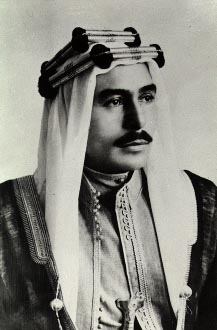


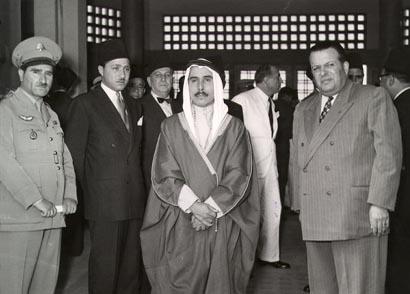
Background and family
Talal was a member of the Hashemite royal family and the son of Abdullah I. He belonged to a generation of leaders who guided newly formed Arab monarchies through the mid-20th century. He was the father of King Hussein, who succeeded him after abdication and would go on to rule for several decades. Biographical accounts emphasize both his royal lineage and the challenges that arose during his short rule.
Reign and reforms
Although his time on the throne lasted less than thirteen months, Talal presided over important institutional work. The most notable achievement attributed to his reign is the promulgation of a new constitution in 1952, a document aimed at strengthening parliamentary institutions, clarifying the role of the crown, and modernizing legal frameworks in the kingdom. Political observers note that his intentions favored greater constitutional rule and administrative reform, but the brevity of his tenure limited the long-term implementation of many planned changes.
Abdication and health
During 1952 concerns about Talal's mental health became central to political debate. Citing those concerns, the Jordanian Parliament moved to remove him from the throne; contemporary reports and later histories attribute his removal to a diagnosis often described as schizophrenia, though accounts vary in detail and terminology. He formally abdicated in August 1952 in favor of his teenage son, Hussein, and left active political life.
Later life and death
After abdicating, Talal spent most of his remaining years receiving medical care abroad. He lived in treatment facilities and medical residences, including a sanatorium in Istanbul, where he died on 7 July 1972. His prolonged absence from Jordanic public life meant that later policy and diplomatic directions were shaped chiefly by his successor.
Legacy and notable facts
- The 1952 constitution is widely cited as Talal's principal institutional legacy, influencing the balance between monarchy and parliament.
- He is one of the shortest-reigning Jordanian monarchs, with a tenure shaped by the assassination of his predecessor and by internal political concern over his fitness to rule.
- His abdication directly led to King Hussein's long reign, which defined much of Jordan's later 20th-century history.
Talal's life and rule remain a study in how personal health, dynastic succession, and constitutional development intersect in modern monarchies. For more detailed primary documents and archival materials, consult specialized histories of mid-20th-century Jordan and Hashemite family biographies.
Author
AlegsaOnline.com Talal of Jordan (Talal bin Abdullah) Leandro Alegsa
URL: https://en.alegsaonline.com/art/131563