
Tadao Ando: life, design principles, and notable works
Tadao Ando (born 1941) is a self-taught Japanese architect known for minimalist concrete buildings that emphasize light, geometry and nature. He won the Pritzker Prize in 1995 and has works worldwide.
Overview
Tadao Ando is a Japanese architect celebrated for an austere but deeply experiential modernism that often uses exposed reinforced concrete, controlled natural light and strong geometric forms. Born in Osaka in 1941, Ando is largely self-taught and rose to international prominence in the late 20th century. His approach blends Japanese spatial sensibilities with references to European modernism and a persistent interest in the relationship between architecture, nature and silence.
Image gallery
10 Images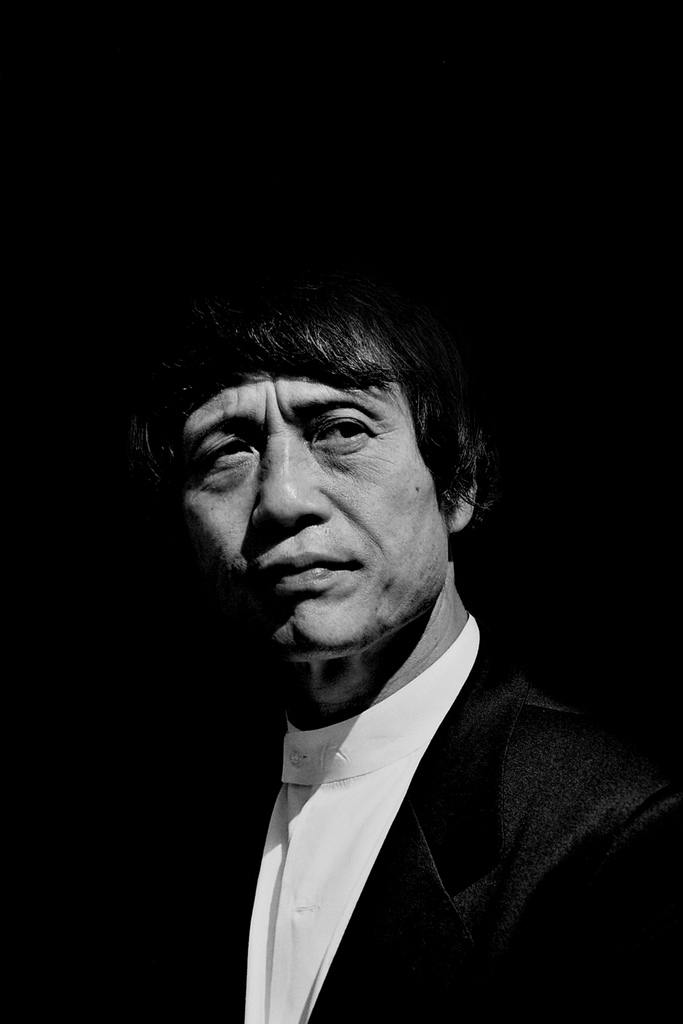


Early life and development
Ando was born and raised in Osaka. He pursued varied experiences before committing to design, including working and traveling abroad and time as a young professional boxer, reportedly spending part of that period in Thailand. Without formal architectural schooling, he learned through travel, reading and practical work, eventually establishing his own practice and developing a distinctive body of buildings.
Design characteristics
Ando is widely associated with minimal materials and elemental composition. Signature features include:
- Exposed, smooth cast-in-place concrete planes that read as monolithic walls.
- Precision in geometry: simple volumes, circles, rectangles and voids.
- Deliberate use of natural light and shadow to shape interior atmosphere.
- Courtyards, water elements and framed views that integrate landscape and sky.
Notable projects and examples
Early works such as the Row House in Sumiyoshi helped establish Ando's reputation by demonstrating how modest urban sites could be transformed through simple form and light. Later and widely recognized projects include the Church of the Light, the Benesse House and the Chichu Art Museum. These works illustrate his repetitive strategies: austerity, contemplative spaces and precise openings that articulate experience rather than ornament.
Awards, influence and distinctions
Ando has received many honors for his work, most prominently the Pritzker Prize, awarded in 1995. He continues to lecture, design large and small commissions around the world and influence architects who seek restraint, tectonic clarity and a strong dialogue between built form and nature. Observers often note how his buildings create places for reflection even within urban contexts.
Context and further reading
When discussing Ando, writers often note cultural and technical strands: the Japanese tradition of careful proportion and the modernist interest in concrete. For concise introductions see materials on the Japanese name convention, biographical summaries identifying the family name order and profiles that treat Ando explicitly as an architect. For practice-focused details consult firm publications from Ando and curated monographs that illustrate how his ideas are realized on site.
Author
AlegsaOnline.com Tadao Ando: life, design principles, and notable works Leandro Alegsa
URL: https://en.alegsaonline.com/art/131532