
Surya Bahadur Thapa (1928–2015)
Surya Bahadur Thapa was a prominent Nepali statesman who served five terms as Prime Minister across three monarchs, played a central role in the Panchayat era, and remained active in politics until the early 2000s.
Overview
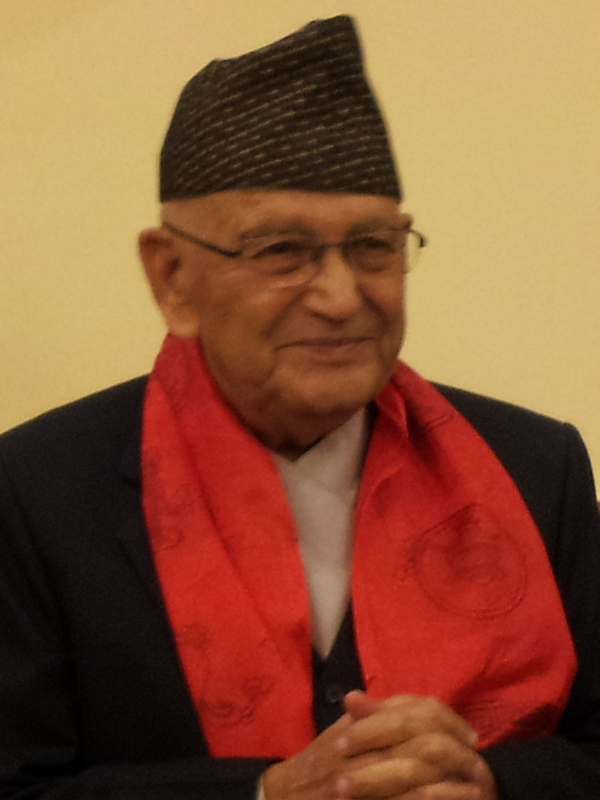
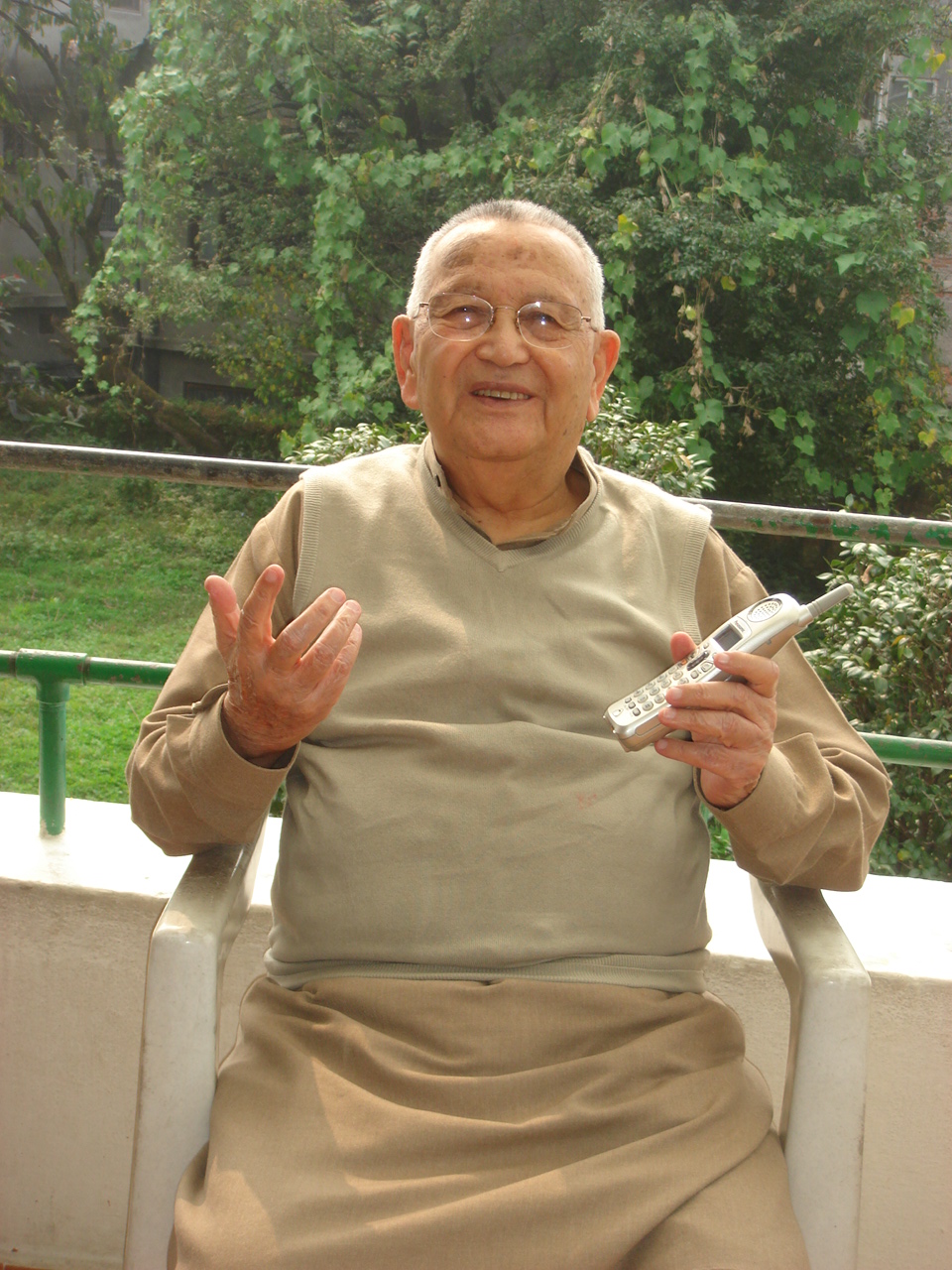
Surya Bahadur Thapa (born March 21, 1928) was a Nepalese statesman who served as Prime Minister of Nepal on five separate occasions across more than four decades. He is remembered for his leadership during the Panchayat period and for returning to head governments in the multiparty era. He served under three different kings and was an enduring figure in Nepalese public life.
Image gallery
5 Images


Political career
Thapa's national prominence began in the 1960s. He became the first prime minister of the Panchayat system and led governments at several key moments in Nepal's modern history. His five terms in office were non-consecutive; they spanned the 1960s, late 1970s into the early 1980s, and again in the 1990s and early 2000s.
- Terms as prime minister: 1963–1964, 1965–1969, 1979–1983, 1997–1998, 2003–2004
- Served under three monarchs and worked within changing constitutional frameworks
Roles, affiliations and policies
Throughout his long career Thapa occupied roles both as a royal appointee and as a participant in party politics. He was associated at different times with conservative and monarchist currents and later with parties that sought to balance royal authority with parliamentary practice. His governments confronted economic and administrative challenges, and in later years he was involved in efforts to manage political tensions during the insurgency that affected Nepal in the 1990s and early 2000s.
Significance and distinctions
Thapa is notable for the rarity of serving five separate terms as prime minister and for bridging eras—from the centrally controlled Panchayat system to the post-1990 multi-party period. Observers often describe him as an adaptable political operator who remained influential as an elder statesman. He has been variously praised for stability he brought at times and criticized by opponents for his close ties to the monarchy.
Death and legacy
Surya Bahadur Thapa died on April 15, 2015 while hospitalized in Delhi. Reports state he was being treated in India and that complications of surgery led to respiratory failure. His name appears in Nepali-language sources as सूर्य बहादुर थापा, and English-language accounts describe him simply as a veteran politician. His long record of public service remains a reference point in discussions of Nepal's political development.
Further reading
For contextual accounts of Nepalese politics during Thapa's lifetime, consult histories of the Panchayat system and analyses of Romania-era monarchic governance, as well as studies of Nepal's transition to multi-party democracy in the 1990s and the subsequent insurgency period.
Author
AlegsaOnline.com Surya Bahadur Thapa (1928–2015) Leandro Alegsa
URL: https://en.alegsaonline.com/art/131440