
Stephen Hadley
Stephen Hadley (born 1947) is an American foreign and defense policy official who served as the 21st U.S. National Security Advisor under President George W. Bush, after acting as Deputy National Security Advisor.
Overview
Stephen John Hadley was born on February 13, 1947, in Toledo, Ohio. He became a prominent figure in U.S. national security policy during the administration of President George W. Bush, serving as the 21st Assistant to the President for National Security Affairs, commonly known as the National Security Advisor.
Image gallery
6 Images


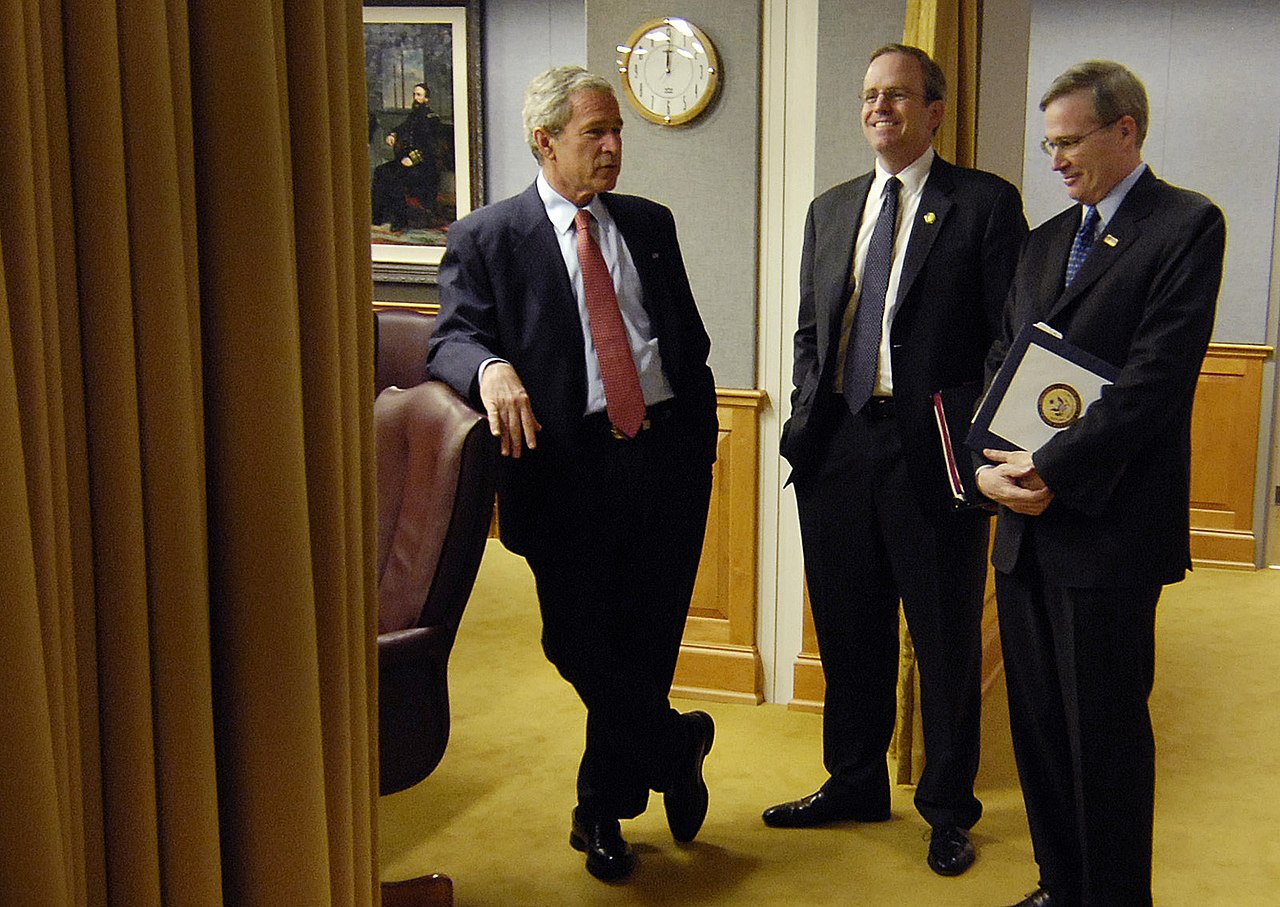
Career and roles
Hadley was a senior foreign and defense policy adviser to then-Governor Bush during the 2000 presidential campaign and played a key role on the Bush–Cheney transition team, working on the National Security Council. When the administration began, he was appointed Assistant to the President and Deputy National Security Advisor on January 22, 2001, supporting the National Security Advisor and helping coordinate policy across departments.
On January 26, 2005, following the confirmation of Condoleezza Rice as Secretary of State, Hadley replaced her as National Security Advisor. In that role he provided policy advice to the president and oversaw the interagency process for national security issues.
Responsibilities and structure
The National Security Advisor is the president’s principal adviser on national security and foreign policy, chairs or convenes meetings of the National Security Council staff, and helps coordinate input from the Departments of State, Defense, Treasury, Justice and intelligence community. Hadley’s tenure involved managing complex policy debates, ensuring secure communications of sensitive information, and facilitating coordination among civilian and military agencies.
Context and notable issues
Hadley occupied the National Security Advisor post during a period defined by sustained U.S. engagement overseas and an intense focus on counterterrorism, regional stability, and alliance management. While the role is not a Cabinet-level office, it is a central position for shaping presidential choices on defense, diplomacy, and intelligence priorities. Advisors in this role often balance immediate crisis response with longer-term strategy and interagency consensus-building.
Distinctive aspects and legacy
- Transition continuity: Hadley is an example of a senior adviser who moved from campaign and transition work into a sustained White House role, helping provide continuity across early years of an administration.
- Deputy-to-Principal progression: His elevation from Deputy National Security Advisor to National Security Advisor illustrates a common career path for senior NSC officials.
- Interagency coordination: During his service, the role emphasized coordination among civilian agencies and the military at a time of active overseas operations and complex diplomatic challenges.
For more details about specific episodes, decisions, and later career developments, consult dedicated biographies and primary documents from the period. Secondary sources and official records provide fuller timelines and analyses of policy choices made while he served as Deputy National Security Advisor and then National Security Advisor.
More on his birthdate | Birth year | Birthplace | Presidential office | George W. Bush | Deputy NSA appointment | January 22 | 2001 | January 26 | 2005 | Condoleezza Rice | Secretary of State | Governor Bush | Bush–Cheney transition | National Security Council
Author
AlegsaOnline.com Stephen Hadley Leandro Alegsa
URL: https://en.alegsaonline.com/art/131223