
Stephen Bishop (musician)
American singer-songwriter and guitarist known for soft-rock hits, film soundtracks and occasional acting; best known for 'On and On', 'It Might Be You' and soundtrack work.
Overview
Earl Stephen Bishop (born November 14, 1951) is an American singer-songwriter, guitarist and occasional actor whose work is most often associated with the soft-rock and adult contemporary traditions of the 1970s and 1980s. He became widely known for melodic, story-driven songs and for contributions to film soundtracks. Bishop's public profile combines recording projects, songwriting for other artists and film work, along with occasional acting appearances.
Image gallery
1 Image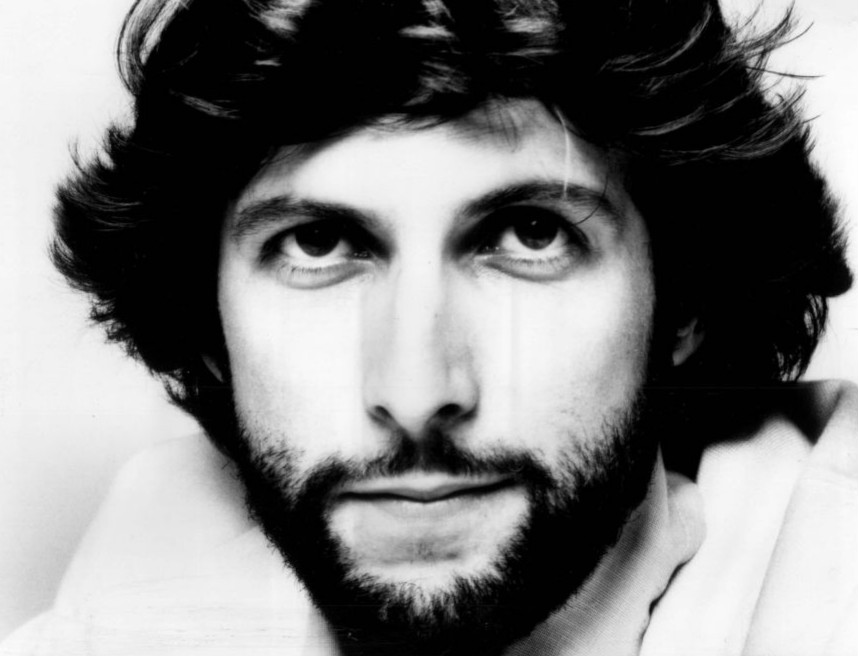
Early life and beginnings
Bishop was born in San Diego, California. He began writing songs and performing as a young musician, developing a style built on clear melodies, intimate vocals and piano-anchored arrangements. Early professional work included session playing, collaborations and the gradual establishment of a solo recording career.
Breakthrough and notable recordings
Bishop's best-known songs include "On and On", "Save It for a Rainy Day" and "It Might Be You", the latter of which became familiar to broader audiences through its use in the film Tootsie. These recordings illustrate his preference for concise songwriting, memorable melodic hooks and emotional directness rather than elaborate virtuosity. He released a series of albums that combined personal lyricism with polished studio production and attracted consistent adult contemporary radio play.
Film work and soundtracks
A significant part of Bishop's recognition came through cinema. His songs and performances appear in a number of feature films, where his music was often used to underscore romantic moments or to enhance narrative mood. Selected films that include his work are:
- National Lampoon's Animal House
- The China Syndrome
- Tootsie
- The Money Pit
- Other films such as Roadie, Summer Lovers, White Nights, The Boy Who Could Fly and All I Want for Christmas
Style, collaborators and reception
Bishop's music is marked by straightforward storytelling, gentle vocal delivery and arrangements that often center on piano and acoustic guitar. He has worked with a range of session musicians and producers who contributed to a radio-friendly sound. Fellow musicians have praised his songwriting; for example, Eric Clapton mentioned Bishop among his favored contemporary writers in Clapton's autobiography. Critics and listeners commonly note Bishop's gift for crafting simple, memorable hooks that suit both album listening and film placement.
Later career and legacy
Across decades, Bishop has continued to perform, write and record, maintaining a presence on soft-rock compilations and in soundtrack releases. His songs are frequently cited as exemplars of late 20th-century adult contemporary songwriting. In 2019 his name appeared on a list published by The New York Times Magazine of artists whose original recordings were reported to have been affected by the 2008 Universal Studios fire; the listing noted archival losses that were the subject of investigation and public concern.
Exploring his music
For new listeners, a selection of Bishop's most enduring tracks and soundtrack cues offers a clear introduction to his craft. His work demonstrates how a singer-songwriter can reach audiences through both standalone recordings and cinematic placements. Further details about his albums, session credits and touring history are available in dedicated music reference sources and artist biographies. Learn more about his songwriting and consult film and music reference collections for fuller discographies and credits.
Author
AlegsaOnline.com Stephen Bishop (musician) Leandro Alegsa
URL: https://en.alegsaonline.com/art/131202