
Tootsie (1982 film)
1982 American romantic comedy-drama about an actor who adopts a female persona to win work; praised for performances, social themes, and preserved in the U.S. National Film Registry.
Overview
Tootsie is a 1982 American romantic comedy-drama released by Columbia Pictures. The film follows a talented but difficult struggling actor who adopts a female identity in order to find steady employment. The premise mixes broad comedy with character study to explore performance, reputation, and personal growth.
At the center of the story is Dustin Hoffman, who portrays the actor and his female alter ego. In taking on a woman's role, the protagonist confronts attitudes about gender, respect, and workplace dynamics while also navigating romantic complications and public scrutiny. The transformation is played for laughs while remaining grounded in the character's evolving conscience.
Image gallery
1 Image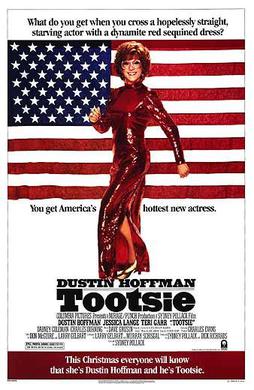
Characteristics and themes
Tootsie blends satire and sentiment. Its comedy often arises from situations in a soap opera setting and from misunderstandings caused when the lead dresses as a woman. Beneath the farce, the film examines sexism, identity, and the pressures actors face to compromise or reinvent themselves. Directors and critics have noted the film's balance of screwball elements with earnest social observation.
Cast and production
- Lead performance by Dustin Hoffman.
- Supporting cast includes several prominent performers who populate the soap-opera world and the lead's personal life.
- Directed by an established filmmaker, the production used both comedic staging and intimate scenes to develop character relationships.
The film's structure alternates between backstage sequences and the melodramatic rhythms of daytime television, using those contrasts to highlight how roles are written and received in different social contexts.
Reception and legacy
Tootsie was a commercial hit and received wide critical attention for its performances and screenplay. It earned numerous award nominations and won major honors for supporting acting. Over time it has been regarded as a culturally significant work for its treatment of gender and media, and it remains a frequent point of reference in discussions about performance and representation in popular film.
In recognition of its cultural and historical importance, the United States Library of Congress selected Tootsie for inclusion in the National Film Registry. The film continues to be discussed in studies of comedy, gender politics, and 1980s cinema.
For readers seeking more background, reviews and production histories provide further context on how the movie was conceived, cast, and received; contemporary analyses place it within ongoing conversations about identity and the responsibilities of performers.
Related articles
Author
AlegsaOnline.com Tootsie (1982 film) Leandro Alegsa
URL: https://en.alegsaonline.com/art/100631
Sources
- oscars.org : "The 55th Academy Awards (1983) Nominees and Winners"