
Stansfield Turner
Stansfield Turner (1923–2018) was a U.S. Navy admiral, Director of Central Intelligence under President Carter, and later a scholar and president of the Naval War College.
Stansfield Turner (December 1, 1923 – January 18, 2018) was a United States Navy admiral who served as Director of Central Intelligence and later as an academic leader and author. Born in Highland Park, Illinois, Turner combined a long naval career with leadership of the U.S. intelligence community and subsequent teaching and writing on national security.
Image gallery
3 Images
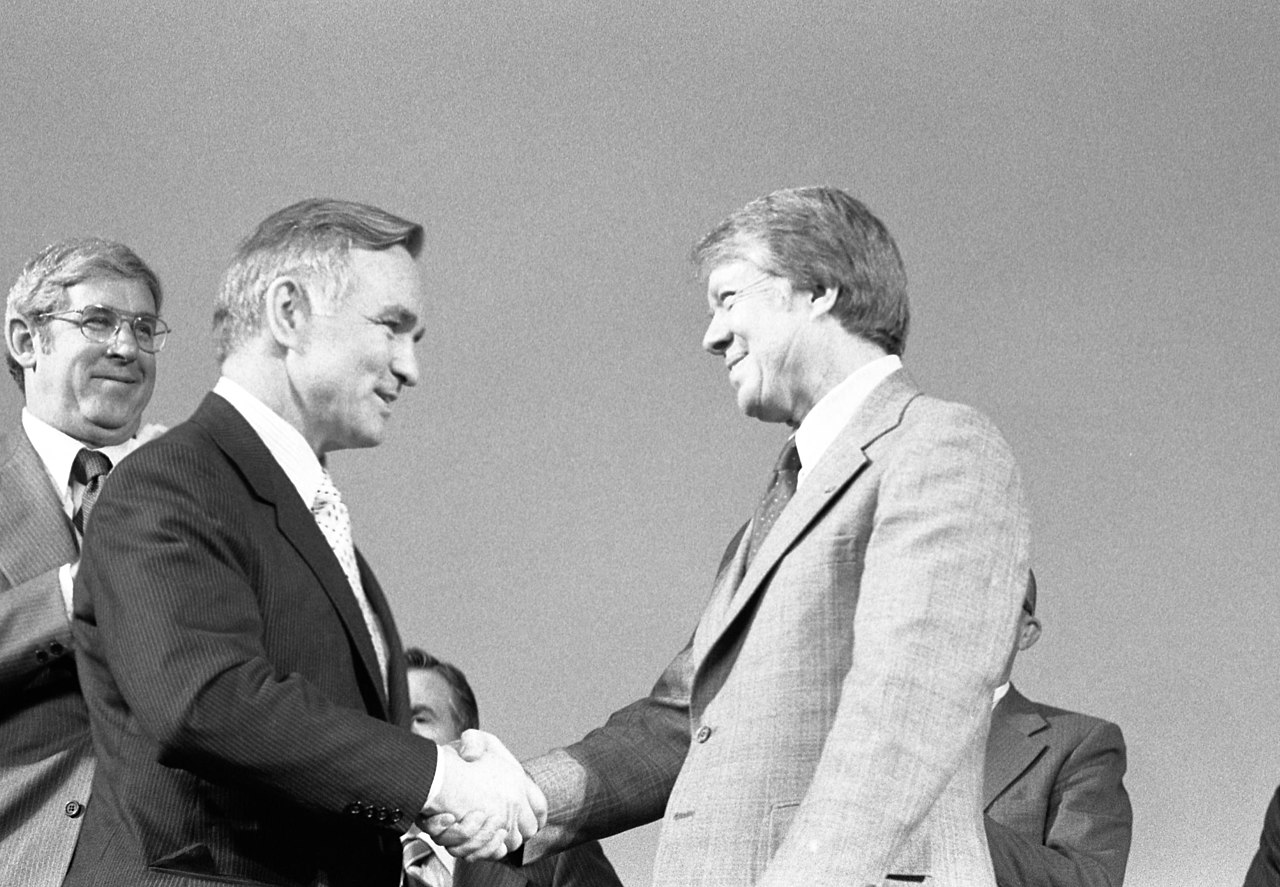

Education and early life
Turner received education at several institutions that shaped his professional outlook. He attended Amherst College and graduated from the United States Naval Academy, then pursued further study at Exeter College, Oxford. His early years in the Navy led to steadily higher command and staff responsibilities prior to his selection for national-level posts.
Naval career and leadership roles
As a senior officer in the United States Navy, Turner rose to the rank of admiral and held important command and educational posts, including serving as president of the Naval War College. His naval service established his reputation for organizational reform and for advocating greater emphasis on analysis and planning within military institutions.
Director of Central Intelligence
Appointed Director of Central Intelligence by President Jimmy Carter, Turner led the Central Intelligence Agency during a time of intense public scrutiny of intelligence practices. His tenure emphasized restructuring and professionalizing the agency, shifting some emphasis toward technical collection and analysis. These changes and decisions in operational posture were debated within government and the press and shaped later discussions about the balance between human intelligence and technical means.
Later career, scholarship and public writings
After government service Turner moved into academia and public policy. He served as president of the Naval War College and later as a senior research scholar at the University of Maryland, College Park School of Public Policy. He authored books and articles about intelligence, secrecy, and the relationship between democratic government and clandestine activity.
Legacy and notable facts
- Turner is remembered for efforts to modernize intelligence organizations and for stimulating debate on how democracies oversee secret activities.
- He maintained a lifelong public profile through teaching and writing, and balanced scholarship with practical experience in national security.
- Personal details: born in Highland Park, Illinois, and died in Seattle at age 94; he was known to follow Christian Science during his life.
Throughout his career Turner engaged with both military and civilian institutions, and his work remains a reference point in debates over intelligence reform, civil-military relations, and the governance of secrecy in democratic societies. Director of Central Intelligence and academic posts illustrate the dual public-service and scholarly aspects of his legacy. Further reading and archival material are available from institutional collections and published works on 20th-century U.S. intelligence and naval history. Highland Park and other local histories note his Midwestern origins, while educational records link him to the Naval Academy and Exeter College. Additional institutional descriptions can be found via the Naval War College and universities where he taught. Illinois and military biographies provide context for his upbringing and career path. U.S. Navy service and later academic appointments such as at the University of Maryland conclude the broad outline of his public life. Seattle marked the end of his long life and public career.
Author
AlegsaOnline.com Stansfield Turner Leandro Alegsa
URL: https://en.alegsaonline.com/art/131139