
Scatman John (John Paul Larkin): jazz pianist and scat singer
John Paul Larkin, known as Scatman John, was an American jazz musician and singer who fused scat singing with electronic dance music and became an international hit in the 1990s.
Overview
John Paul Larkin (March 6, 1942 – December 3, 1999), better known by his stage name Scatman John, was an American jazz pianist and vocalist who reached international prominence in the 1990s by combining traditional scat singing with contemporary electronic rhythms. Born in El Monte, California, he spent much of his life as a working musician and later became widely known for the hit single "Scatman (Ski-Ba-Bop-Ba-Dop-Bop)" and the album that followed. He also became a public advocate for people who stuttered, using his platform to speak about speech disorders and self-acceptance.
Image gallery
2 Images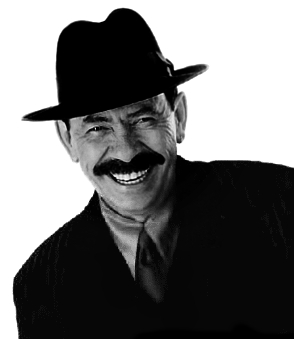
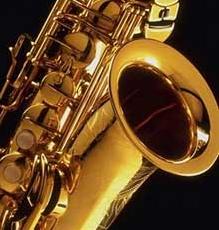
Musical style and characteristics
Scatman John drew on several traditions in his music. Trained as a pianist and grounded in jazz, he used scat—a vocal improvisation style that uses nonsensical syllables—to create energetic, rhythmic vocal lines. In the 1990s he layered these improvisations over electronic dance and Eurodance arrangements, producing a distinct crossover sound that appealed to pop and club audiences as well as jazz listeners. His recordings typically feature brisk tempos, synthesized backings, and clear, repeated scat hooks that serve as the songs' memorable refrains.
Career highlights and recognition
Although Larkin worked for many years as a musician before his commercial breakthrough, his mid-1990s recordings brought him sudden international attention. The single "Scatman (Ski-Ba-Bop-Ba-Dop-Bop)" became a defining track, followed by material on the album often associated with his stage name. He received awards and recognition in multiple countries—including honors in Germany and significant popularity in Japan—and was celebrated by fans for turning a personal speech challenge into an artistic identity.
- Notable tracks: "Scatman (Ski-Ba-Bop-Ba-Dop-Bop)" and songs from the Scatman-era albums.
- Awards and honors: international popular awards and professional recognition for his contributions to public awareness.
- Advocacy: recipient of the Annie Glenn Award for work related to stuttering and speech-language advocacy.
Life story and public persona
Larkin lived much of his life in Southern California and maintained a public image that balanced humor and sincerity. He openly discussed his lifelong stutter and reframed it as part of his musical voice rather than something to hide. That frankness resonated with many listeners and helped him become an inspirational figure for people facing similar speech disorders. His live performances and appearances often combined technical musicianship with an encouraging personal message.
Illness, death, and legacy
In the late 1990s Larkin was diagnosed with lung cancer. Despite medical advice to curtail demanding activities, he continued to perform and record until his health declined; he died on December 3, 1999 in Los Angeles, California. His death was mourned by fans around the world, and his recordings remain a notable example of how traditional jazz techniques can be reimagined within pop and dance contexts. Today he is remembered both for his distinctive musical fusion and for his role in raising awareness about stuttering and speech therapy.
Notable facts and distinctions
- Stage name: performed under the moniker Scatman John rather than his birth name.
- Cross-genre appeal: success bridged jazz vocal traditions and 1990s electronic pop production.
- Advocacy and awards: acknowledged by speech and hearing organizations for public service to the stuttering community.
For listeners exploring his work, the contrast between jazz-influenced scat singing and synthesized backings provides a clear example of 1990s cross-genre experimentation. More broadly, Scatman John's career illustrates how an artist can convert a personal difficulty into creative identity and public advocacy, leaving a legacy that stretches beyond chart positions and into cultural influence.
Birthplace reference • State reference • Place of death • Nationality reference • Performer type • Illness reference
Author
AlegsaOnline.com Scatman John (John Paul Larkin): jazz pianist and scat singer Leandro Alegsa
URL: https://en.alegsaonline.com/art/130563