
Satyajit Ray: life, films, and cultural legacy
Overview of Satyajit Ray, the Bengali filmmaker, his major works (including the Apu trilogy), creative methods, other writings, awards, and lasting influence on world cinema.

Overview
Satyajit Ray (2 May 1921 – 23 April 1992) was an Indian filmmaker from Kolkata whose work is widely regarded as among the most important of 20th‑century cinema. He made feature films, documentaries and shorts over a career that combined literary sensitivity with careful visual craft. Many critics and filmmakers point to Ray's humanist realism and narrative restraint as major contributions to modern cinema. For an introduction to his life and cinematic significance see biographical sources.
Image gallery
8 Images


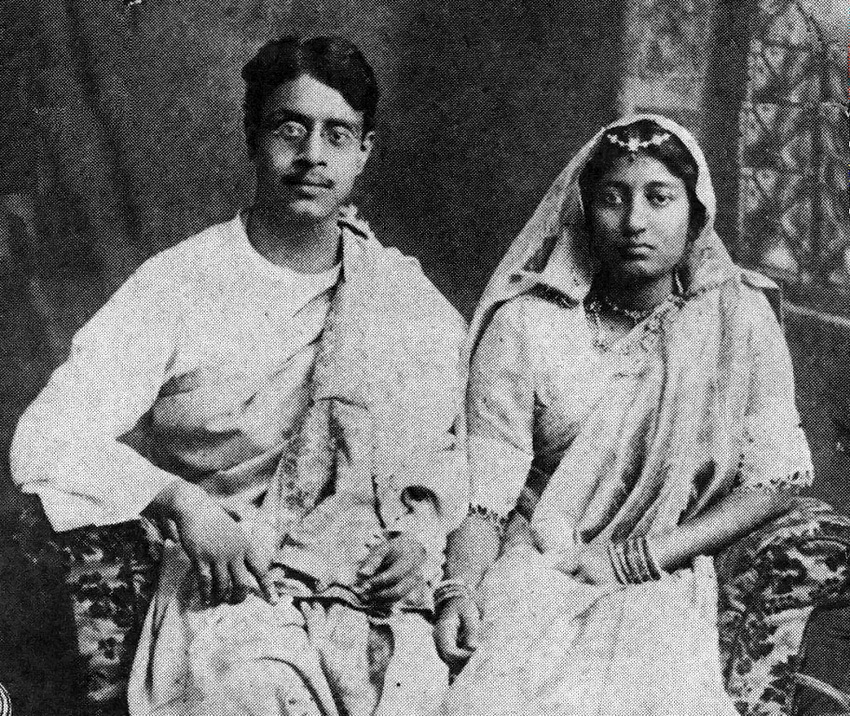


Early life and influences
Born into a family prominent in Bengali arts and letters, Ray trained initially in the visual arts and worked as a commercial artist and illustrator. He studied at Presidency College and at Visva‑Bharati University, where exposure to literature and theatre shaped his taste. A trip to London and encounters with European films—most famously Vittorio De Sica's Bicycle Thieves—along with a meeting with the French director Jean Renoir, convinced him to pursue filmmaking. For details on these formative influences consult film histories and archived interviews cited by scholars at cultural institutions.
Filmmaking: style and craft
Ray combined several crafts in his films: direction, screenwriting, music composition, and graphic design. He often designed posters, credit titles and publicity material, and personally oversaw casting and location work. His style emphasizes unobtrusive camerawork, economical editing and scripts rooted in social context and character psychology. Critics note his attention to everyday detail and measured pacing; filmmakers cite his influence on narrative clarity and humanist themes worldwide. Read analyses and technical discussions at specialist film sites.
Major works and the Apu trilogy
Ray directed more than thirty films across genres. His first feature, Pather Panchali (Song of the Little Road), announced a fresh voice in world cinema and won international awards, including recognition at the Cannes Film Festival. It, together with Aparajito and The World of Apu (Apur Sansar), forms the celebrated Apu trilogy, a coming‑of‑age cycle that follows its protagonist from rural childhood to adult responsibilities. Highlights and further reading are available via festival archives and curated film lists at cinema collections.
Other creative work
- Writer: Ray authored stories and novels in Bengali, creating popular characters such as the detective Feluda and the scientist Professor Shonku, which expanded his audience beyond cinema.
- Composer and designer: He composed or arranged music for many of his films and created graphic work for magazines and books.
- Critic and editor: Early in his career he wrote film criticism and contributed to periodicals, influencing public discussion of cinema.
Further examples of his non‑film work are archived by cultural repositories; see archival collections.
Recognition and legacy
Ray received numerous national and international honors late in his life, including an Academy Award recognition. His films are preserved and taught in film schools worldwide, and his narrative and visual methods continue to shape filmmakers and critics. For a summary of awards and retrospectives see institutional pages at museum and festival sites.
Notable facts: Ray's comprehensive involvement in each production—from story to final cut—made him a rare example of a single authorial voice in cinema. His work bridged Bengali literary traditions and modern film technique, helping to place Indian cinema on the global stage while also inspiring popular literature and graphic design in his native language.
Questions and answers
Q: Who was Satyajit Ray?
A: Satyajit Ray was a Bengali Indian movie director who is considered one of the greatest film-makers of 20th century movie business.
Q: Where was he born?
A: He was born in the city of Kolkata.
Q: What did he study?
A: He studied at Presidency College and at the Visva-Bharati University.
Q: How did he become interested in filmmaking?
A: He became interested in filmmaking after meeting French filmmaker Jean Renoir and seeing the Italian movie Bicycle Thieves during a visit to London.
Q: How many movies did he direct?
A: He directed thirty-seven movies, which include feature movies, documentaries and shorts.
Q: What is his most famous work?
A: His most famous work is his first movie, Pather Panchali, which won eleven international prizes including Best Human Document at Cannes Film Festival. This movie along with Aparajito and Apur Sansar form the Apu trilogy.
Q: What awards did he win?
A:He won an Academy Award in 1992 for his contributions to cinema.
Author
AlegsaOnline.com Satyajit Ray: life, films, and cultural legacy Leandro Alegsa
URL: https://en.alegsaonline.com/art/130545