
Boomtown: causes, characteristics, history and consequences
A boomtown is a settlement that experiences rapid economic and population growth, often tied to resource discovery or other sudden opportunities; such growth can bring both prosperity and long-term challenges.
A boomtown is a community that undergoes a fast and often dramatic increase in population and economic activity. The pattern is most familiar from historical mining rushes, when the discovery of valuable commodities drew large numbers of people and capital in a short period. Rapid expansion changes local housing, services, and governance, and may reverse just as quickly if the opportunity fades.
Image gallery
5 Images


Typical causes and characteristics
Many boomtowns form when a previously scarce or undiscovered resource is exploited. Common causes include newly developed mining claims, petroleum and natural gas extraction, or sudden industrial investment. Other triggers can be proximity to a growing metropolis, a tourist attraction, or major infrastructure projects. Characteristic features include surging demand for housing and labor, quickly built commercial districts, strains on public services, and an influx of speculative activity.
Common patterns and social impacts
- Rapid population increase: often described as rapid population growth that outpaces planning.
- Resource-driven origins: many are mining towns founded after nearby mineral discoveries.
- Energy booms: discoveries of oil or gas can create petroleum-centered towns.
- Historical rushes: classic examples arise from a gold rush, when prospectors and businesses flock to a region.
- Possible decline: when resources are exhausted the place may become a ghost town or shrink drastically.
- Other attractors: climate, tourism, or proximity to a city can also produce booms; see climate and location effects.
Alongside economic opportunity, booms can create housing shortages, inflated prices, overburdened schools and health care, and social tensions between newcomers and long-time residents. Local governments frequently struggle to scale services fast enough, while investors and speculators can amplify volatility.
History, examples and long-term outcomes
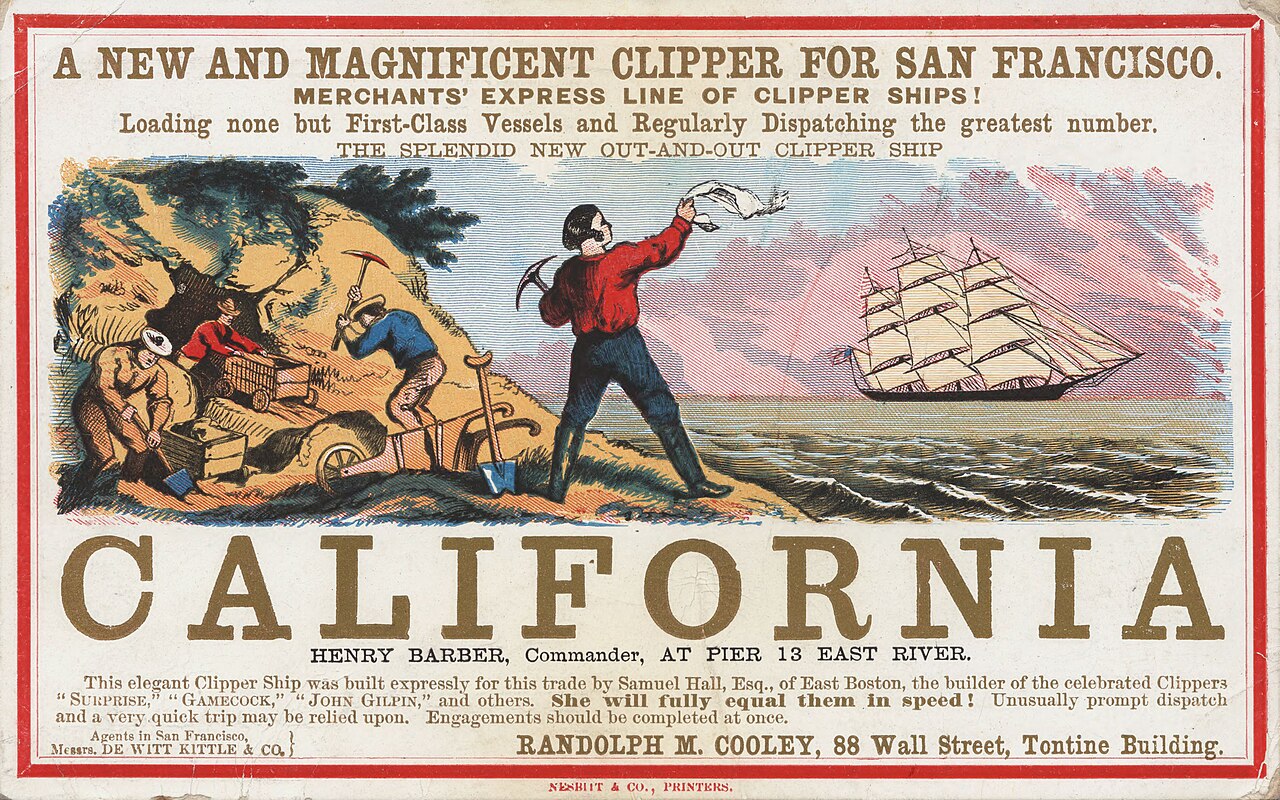
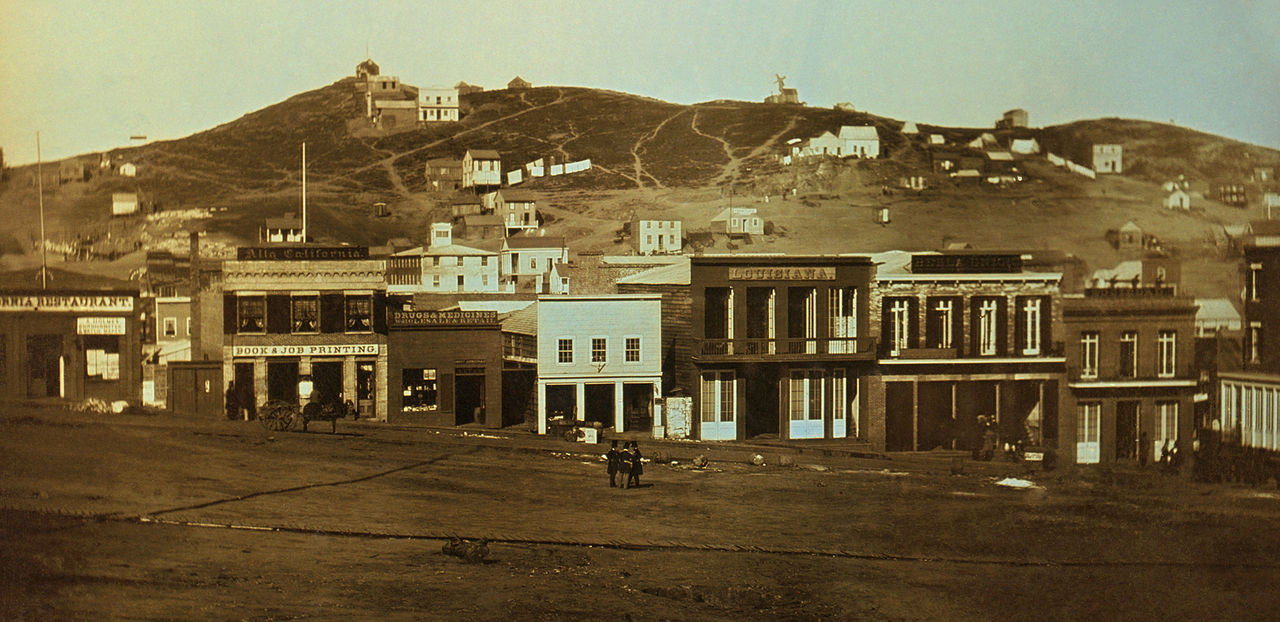
Historically, many of the best-known boomtowns appeared during 19th-century mineral rushes. In California, for instance, towns such as Columbia and San Francisco expanded rapidly in the mid-1800s during the gold rush era. Some of these settlements evolved into stable cities; others declined when the initial stimulus ended. In the modern era, boomtowns often arise around large energy projects, major factories, or sudden tech-industry growth in a region.
Distinctions and planning responses
Not every fast-growing place is a boomtown in the classic sense: planned suburbs or steadily growing metropolitan suburbs differ from resource-driven booms. Urban planners and policymakers try to mitigate boom–bust cycles by investing in diversified economies, temporary housing strategies, public infrastructure, and regulations that temper speculative development. Understanding the underlying cause of growth helps communities prepare for both immediate impacts and longer-term change.
Related articles
Author
AlegsaOnline.com Boomtown: causes, characteristics, history and consequences Leandro Alegsa
URL: https://en.alegsaonline.com/art/13028