
Boorowa: overview, history and features of the New South Wales town
Compact guide to Boorowa, a rural town in New South Wales: location, name and Wiradjuri heritage, rivers and landscape, economy, notable features and historical notes.
Overview
Boorowa is a small rural town in inland New South Wales, Australia. It lies about 66 km (41 mi) from the regional centre of Yass. The settlement is situated on the banks of the Boorowa River, a tributary that ultimately joins the Lachlan River, and is set among rolling farmland and native woodland. The town provides services for surrounding agricultural properties and functions as a modest local centre for commerce and community activities.
Image gallery
10 Images

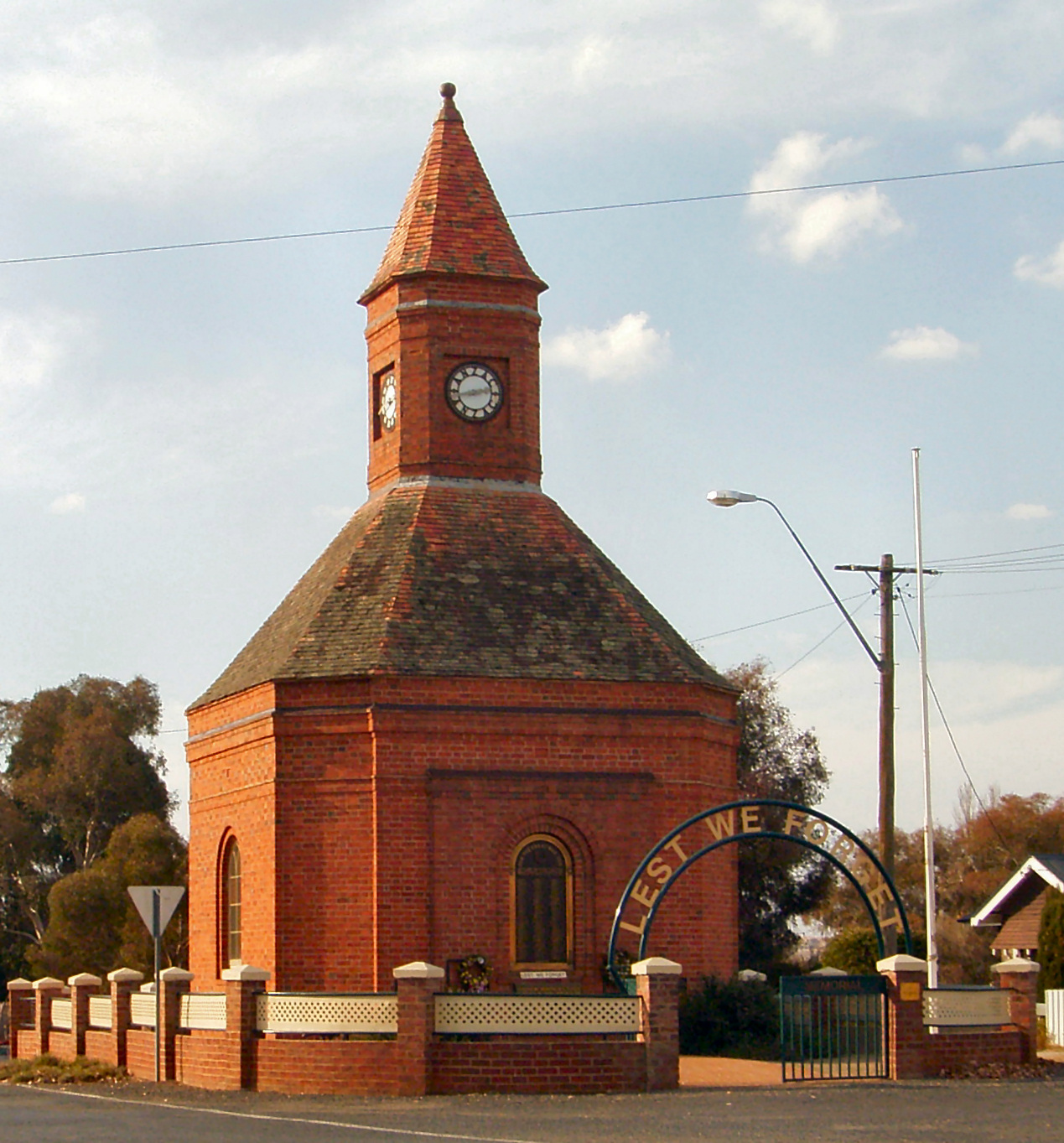


Name and early inhabitants
The town was originally recorded as "Burrowa" and today is commonly spelled Boorowa. The place-name derives from words in the Wiradjuri language, with local interpretations linking the name to birds or to natural features associated with birdlife. The area is part of the traditional lands of the Wiradjuri people, one of the largest Aboriginal nations in what is now New South Wales. Indigenous families maintained camps and travel routes along the Boorowa and Lachlan river corridors for generations before European arrival.
European contact and settlement
Following European exploration and pastoral expansion, patterns of settlement changed markedly. Early contact brought rapid population and social disruption for Wiradjuri communities. Contemporary accounts and later studies note a sharp decline in Indigenous numbers during the first decades of colonial settlement; a mid-19th-century survey is often cited in this context. Many Wiradjuri people were displaced from traditional country and some were placed on government reserves near Rye Park and Edgerton as colonial authorities established new administrative arrangements.
Characteristics and economy
- River setting: the town is built beside the local watercourse and benefits from the associated floodplain soils.
- Agriculture: surrounding lands are used for grazing, cropping and mixed farm activities that support the local economy.
- Community services: Boorowa supplies schools, small retail outlets and agricultural services for the district.
- Heritage: historic buildings and local museums record both colonial and Indigenous histories.
Population and present-day notes
Population figures for small towns vary between censuses; a commonly cited figure for the late 2000s placed roughly 1,350 residents in Boorowa. The town retains a rural character and attracts visitors interested in local history, river scenery and regional events. Contemporary community life balances farming activity with efforts to recognise Wiradjuri heritage and to maintain historic buildings and landscapes.
Further reading and resources
For more detailed registers, maps and histories consult local council publications, regional historical societies and Indigenous cultural organisations. Useful starting points include local tourism guides, state archives and community-run collections. Selected sources and institutional partners often provide online and printed materials for researchers and visitors seeking deeper information about Boorowa's environment, people and past.
References and institutional pages: regional council, local history group, Wiradjuri cultural resources, river catchment information, archival materials.
Questions and answers
Q: Where is Boorowa located?
A: Boorowa is located in New South Wales, Australia.
Q: How far is Boorowa from Yass?
A: Boorowa is 66 km (41 mi) from Yass.
Q: What is the meaning of Boorowa and Burrowa in the Wiradjuri language?
A: Boorowa and Burrowa in the Wiradjuri language mean "birds".
Q: How many people were living in Boorowa in 2008?
A: In 2008, there were 1350 people living in Boorowa.
Q: Who were the first people to live in the Boorowa area?
A: The first people to live in the Boorowa area were the Wiraduri people.
Q: What happened to the local Wiradjuri people after European settlement in the area?
A: After European settlement, local Wiradjuri people were forced onto government reserves at Rye Park and Edgerton.
Q: How many Wiradjuri people were estimated to be in the area at the time of European settlement?
A: It is estimated that there were several thousand Wiradjuri people at the time of European settlement.
Related articles
Author
AlegsaOnline.com Boorowa: overview, history and features of the New South Wales town Leandro Alegsa
URL: https://en.alegsaonline.com/art/13045
Sources
- censusdata.abs.gov.au : "Boorowa (Urban Centre/Locality)"
- argylecounty.com.au : "Booroowa"