
Rudolf Nureyev — Soviet-born ballet star and choreographer
Rudolf Nureyev (1938–1993) was a Soviet-born dancer whose virtuosity and charisma transformed male roles in ballet. He defected in 1961, partnered Margot Fonteyn, and led the Paris Opera Ballet.
Overview
Rudolf Nureyev was a leading ballet figure of the 20th century whose technical brilliance and theatrical presence expanded the prominence of male dancers in classical and contemporary repertoire. Born in the Soviet Union in 1938, he trained in Leningrad and rose to fame with the Kirov (now Mariinsky) Ballet. In 1961 he left the USSR for the West, a moment that made international headlines and altered the course of his career. His work as a performer, partner, teacher, director and occasional choreographer left a lasting mark on companies and dancers around the world.
Image gallery
10 Images



Early life and defection
Nureyev received his professional training at what is often called the Vaganova school in Leningrad and quickly established himself as an exceptional talent in the Soviet ballet system. While touring in 1961 he sought asylum and defected to the West, an act that drew intense attention because of Cold War tensions and produced well-documented efforts by Soviet authorities to persuade him to return. The decision opened artistic opportunities that would have been difficult to pursue under Soviet control.
Career and style
Nureyev combined dazzling technical feats with expressive theatricality. Critics and colleagues noted his expansive repertoire, which embraced the great classics as well as modern works. He was known for high jumps, precise footwork and a magnetic stage persona that reshaped how male leads were cast and perceived. Beyond dancing, he mounted productions, restaged classics for contemporary audiences and later explored conducting and musical collaboration.
Partnerships and notable roles
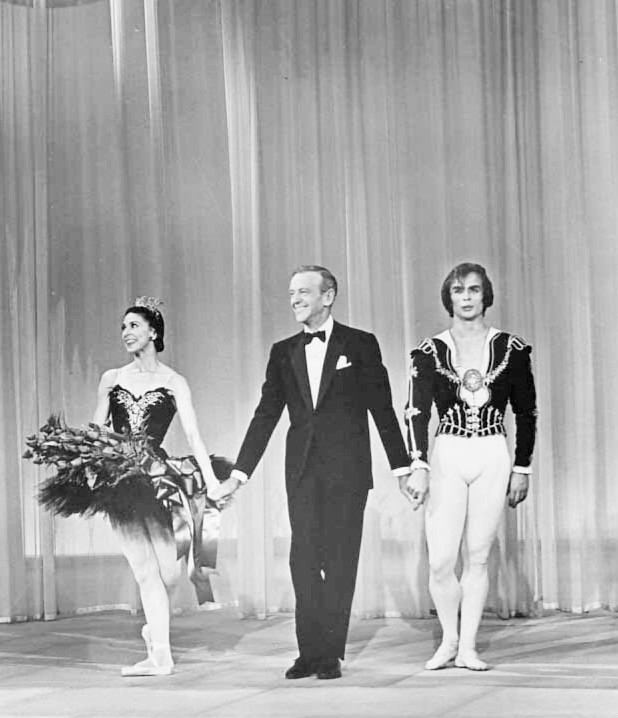
His collaboration with Dame Margot Fonteyn became one of ballet's most celebrated partnerships: together they toured widely and created definitive interpretations of works such as Giselle and Romeo and Juliet. Nureyev also worked with many other artists and companies, bringing attention to younger talents and commissioning new choreography. He formed and led projects including a Broadway ensemble, Nureyev and Friends, which showcased international dancers and new staging ideas.
Leadership, teaching and legacy
From 1983 to 1989 Nureyev served as artistic director of the Paris Opera Ballet, where he championed rising stars and expanded the company's repertoire. He supported dancers such as Sylvie Guillem and encouraged contemporary choreographers to create for the company. His influence persists in pedagogy, recorded performances and the increased visibility and complexity of roles for male dancers.
Personal life and later years
Nureyev was openly gay at a time when that identity could carry professional and social risk; he had important personal and professional relationships with several partners and colleagues, including the Danish dancer Erik Bruhn. In his later years he continued to perform and to explore conducting and staging. He died in 1993 of complications related to AIDS. His life intersected with politics, culture and changing attitudes toward sexuality in the performing arts.
Distinctive facts and further reading
- Reputation: celebrated for technical virtuosity and dramatic interpretation of classics and modern works — a vast and varied repertoire noted by critics and reference works (20th-century assessments).
- Defection: his departure from the USSR in 1961 was a major cultural and political event (Cold War context).
- Collaborations: famous long-term stage partnership with Margot Fonteyn (Fonteyn collaboration) and links to the broader dance community (ballet).
- Health and death: Nureyev's death was widely reported as AIDS-related and contributed to public conversation about the disease (AIDS).
- Identity: discussed openly as a gay artist during his life (sexuality), and later explored music-making, including conducting (conducting).
For introductions to his life and work, consult authoritative dance histories and archival recordings that document his stages and productions; they provide the best way to appreciate both his technical gifts and the theatrical force he brought to the art form. Margot Fonteyn and other partners remain central figures in discussions of his artistic legacy.
Author
AlegsaOnline.com Rudolf Nureyev — Soviet-born ballet star and choreographer Leandro Alegsa
URL: https://en.alegsaonline.com/art/130165