
Margot Fonteyn
Dame Margot Fonteyn (1919–1991) was an English ballerina celebrated for a long career with the Royal Ballet, honoured as Prima Ballerina Assoluta and widely remembered for her partnership with Rudolf Nureyev.
Margot Fonteyn was the stage name of Dame Margaret Evelyn de Arias (née Hookham; 18 May 1919 – 21 February 1991), an English ballerina whose lifetime devotion to classical dance made her one of the most celebrated figures of 20th‑century ballet. She became a symbol of the British school of dancing through a career that combined technical refinement, musical sensitivity and dramatic interpretation. Fonteyn’s longevity as a performer — remaining on stage well into her late fifties — was exceptional in a profession marked by short peak periods.
Image gallery
10 Images
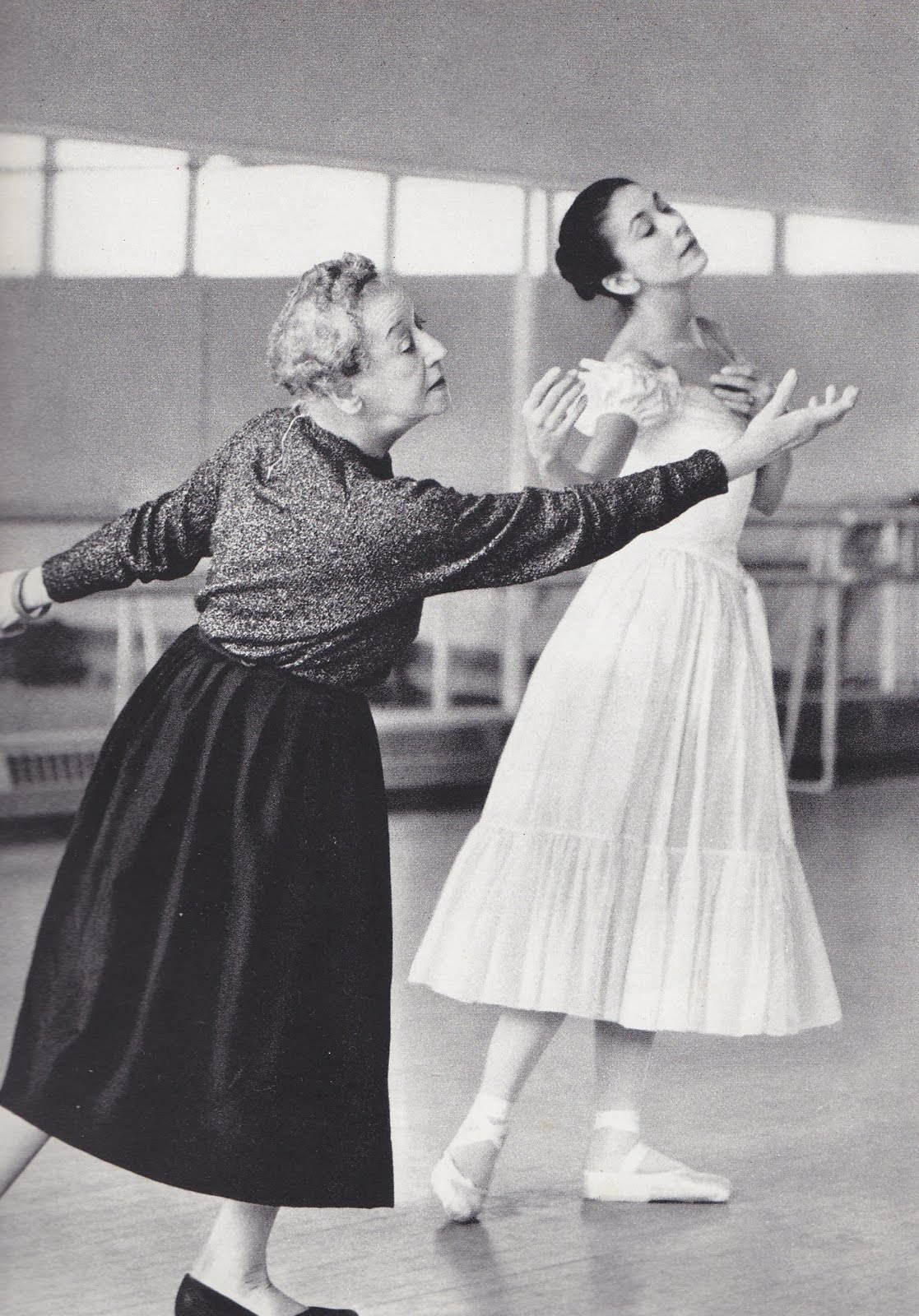


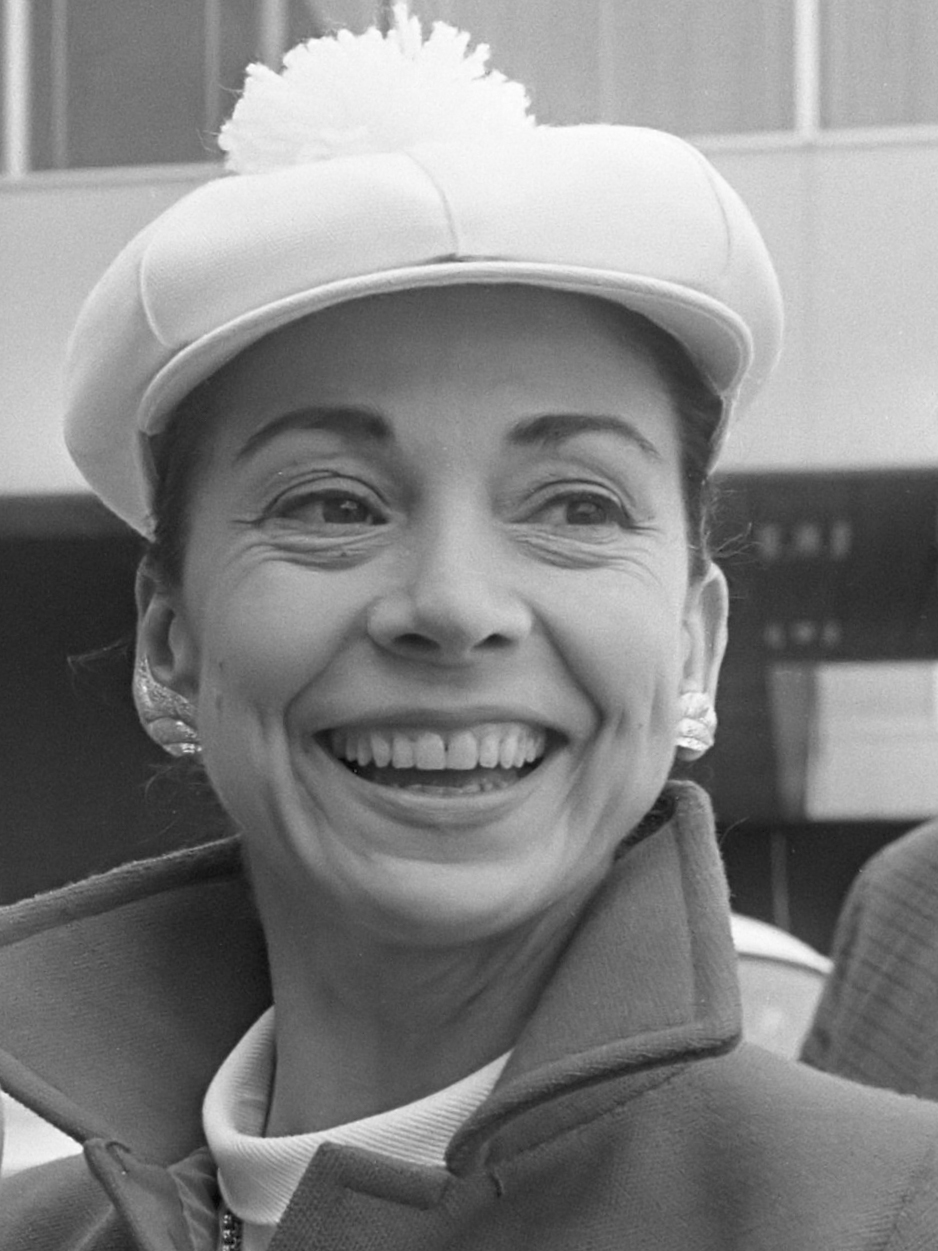

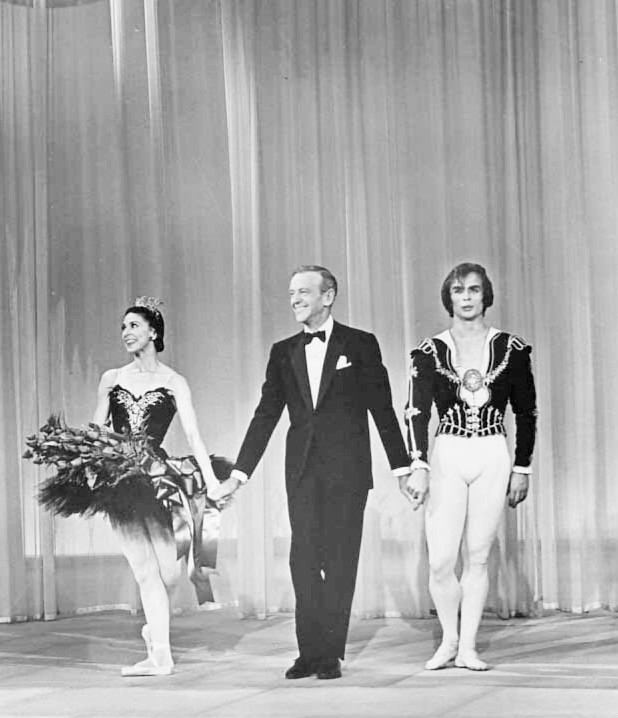


Early training and association with the Royal Ballet
Fonteyn trained and began her professional life with the company that would become the Royal Ballet, developing under the direction of leading British figures of her day. She quickly rose through company ranks and became a central performer in works staged for the company. Throughout her career she worked closely with choreographers and directors who shaped British ballet in the mid‑century, and she created and refined roles that came to be regarded as part of the standard repertory.
Style, repertoire and critical reception
Her dance style was admired for its classical purity: clean, controlled technique, an expressive port de bras and the ability to project character and emotion in full-length story ballets. Signature roles in her repertory included the title part in Giselle and principal roles in productions of Sleeping Beauty and Swan Lake. Critics praised her for a combination of technical authority and theatrical nuance that suited both romantic and classical repertory; she was often described as an artist who could make dramatic roles credible without sacrificing formal precision.
Principal partnerships and later renaissance
While Fonteyn partnered with many leading male dancers of her generation, her career experienced a widely reported revival in a later phase through association with a younger partner who had left the Soviet Union. Her stage partnership with the charismatic Russian‑born dancer Rudolf Nureyev attracted international attention. Although younger by nearly two decades, Nureyev’s energy and virtuosity combined with Fonteyn’s experience to create what many commentators called one of the greatest partnerships in ballet history. Their collaborations brought renewed public interest to classical works and helped introduce ballet to wider audiences in concert halls, on television and through tours.
Honours and public recognition
Fonteyn received major public honours in recognition of her artistic contribution. She was made a Dame Commander of the Order of the British Empire and was later accorded the rare and honorary title of Prima Ballerina Assoluta by Queen Elizabeth II, an exceptional distinction that recognizes a dancer’s outstanding status. These honours reflected both public esteem and the cultural role she played in promoting British ballet internationally.
Personal life and later years
In 1955 she married the Panamanian politician and diplomat Roberto de Arias. A decade later he survived an assassination attempt that had significant consequences for their family life and finances; sources note that some of her continued performing and touring was prompted by the need to support their household. The marriage endured amid personal difficulties and public interest, and the couple remained legally married until his death. Fonteyn continued to dance and to appear in concerts and broadcasts through the 1960s and 1970s, finally retiring from the stage after a remarkably long performing career.
Recordings, films and archival legacy
Many of Fonteyn’s performances were preserved in recordings, television broadcasts and film fragments that remain important resources for students and fans. Institutions and performing‑arts archives hold collections of her papers, photographs and recorded performances; these materials are consulted by scholars, dancers and historians seeking to understand her technique, stagecraft and repertory choices. For general reference and archival material, consult institutional profiles and collections such as biographical and archival resources maintained by libraries and companies (biographical reference, archival collection).
Legacy
Fonteyn’s influence endures through the generations of dancers she inspired, the repertory she helped shape and the company she helped raise to international prominence. Her name is commonly cited in histories of twentieth‑century dance alongside the choreographers and partners with whom she worked. Her long tenure with a single company, her rare public honours and the widely publicized partnership with Nureyev are frequently noted as defining elements of her career. For further study, company histories, retrospective recordings and major biographies offer more detailed examinations of her life and work; institutional web pages and curated archives provide accessible starting points for research (professional profile, repertory overview).
Questions and answers
Q: What was the stage name of Dame Margaret Evelyn de Arias DBE?
A: Her stage name was Margot Fonteyn.
Q: What is the highest rank in the Royal Ballet today?
A: The highest rank in the Royal Ballet today is Principal dancer.
Q: What honour did Queen Elizabeth II bestow upon Fonteyn?
A: Queen Elizabeth II bestowed upon Fonteyn the honour of Prima Ballerina Assoluta.
Q: How old was Fonteyn when she retired from dancing?
A: When she retired from dancing, Fonteyn was nearly 60 years old.
Q: Who was Rudolph Nureyev and what made their partnership special?
A: Rudolph Nureyev was a Russian dancer who had escaped from the Soviet Union and he partnered with Margot Fonteyn to form "the most famous partnership in ballet history". He was 19 years younger than her.
Q: When did Margot Fonteyn marry a Panamanian politician?
A: Margot Fonteyn married a Panamanian politician in 1955.
Q: Why did they remain married despite his infidelity?
A: They remained married until his death in 1989, even though he had a mistress, as she continued dancing to raise money for his upkeep.
Author
AlegsaOnline.com Margot Fonteyn Leandro Alegsa
URL: https://en.alegsaonline.com/art/125940