
Rodrigo Santoro
Rodrigo Santoro (born 1975) is a Brazilian actor who rose from national soap operas to international film roles, including Love Actually and 300. He works in Portuguese and English across TV and cinema.
Overview
Rodrigo Santoro (born August 22, 1975) is a Brazilian actor whose career spans television, film and stage. He first found recognition at home in Brazil through appearances in serialized television dramas and later expanded to international cinema. Santoro performs in both Portuguese and English and is known for moving between national productions and Hollywood projects.
Image gallery
6 Images

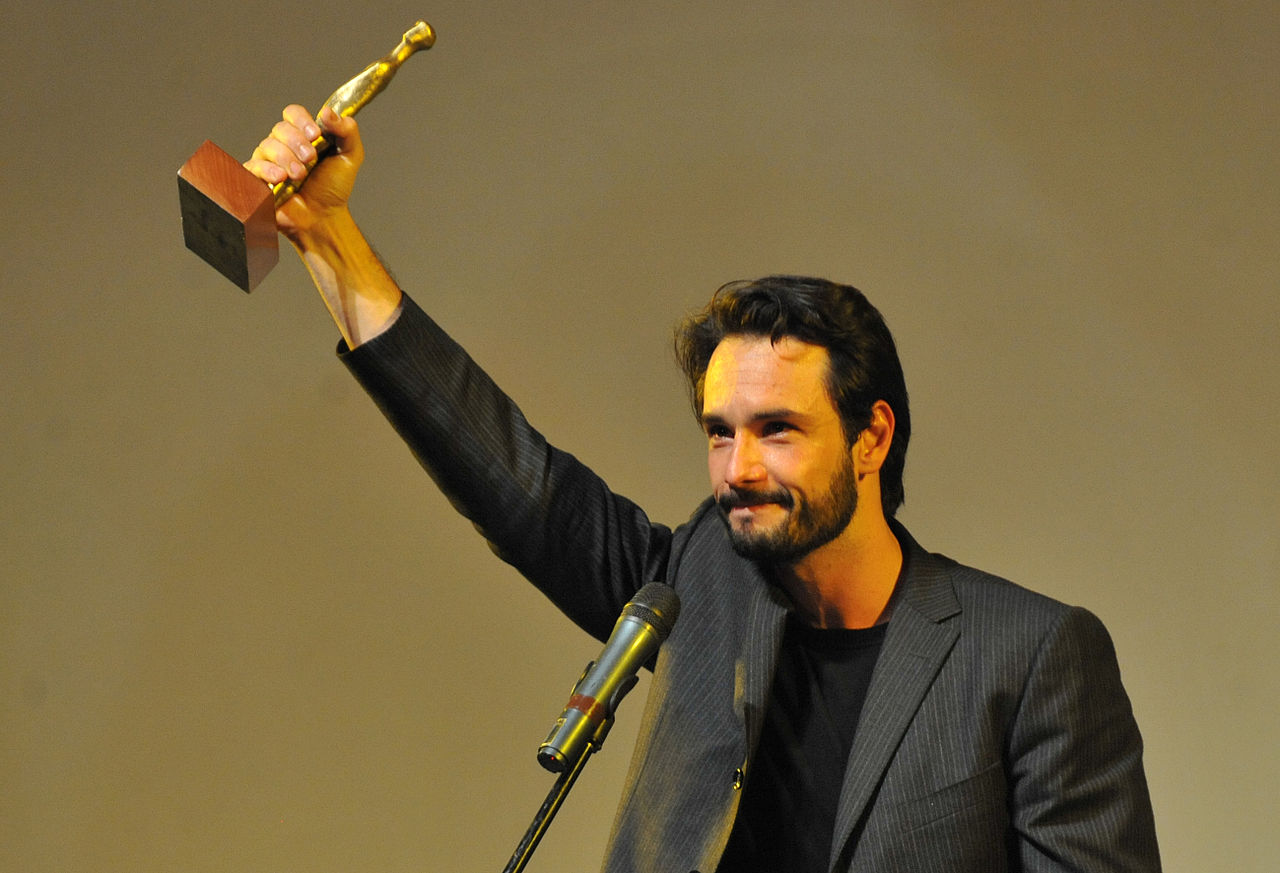


Early life and background
Santoro was born in Petrópolis, in the state of Rio de Janeiro. He grew up in Brazil and is of partial Italian descent. His early training and first professional roles came in Brazilian television, where young actors often build profile and experience through long-running soap operas and dramatic series.
Career development
Santoro began his public career appearing in several domestic soap operas and television dramas, which led to more prominent film work. He later reached an international audience with supporting and leading parts in English-language films. His transition from national TV to global cinema is a common path for Latin American actors who gain exposure through strong domestic reputations.
Notable roles and examples
Two of Santoro's best-known international appearances are in the ensemble romantic comedy Love Actually, where he played a memorable supporting role, and in the historical fantasy epic 300, in which he portrayed the Persian ruler Xerxes. These parts introduced him to wider audiences and demonstrated his ability to take on diverse characters in different genres.
Acting style and significance
Santoro is often described as a versatile performer capable of shifting between intimate dramatic work on television and larger-than-life characters on the big screen. Critics and audiences have noted his screen presence and adaptability when working in multiple languages. He remains a visible Brazilian figure in international film, helping draw attention to performers from Latin America in global productions.
Further notes
- He has balanced roles in domestic Brazilian productions with international projects, maintaining a career in both markets.
- Santoro's background and bilingual work make him an example of cross-cultural casting in contemporary cinema.
- For more information on his filmography and interviews, consult reputable cinema databases and profiles at authorized sources.
For official or in-depth biographies and a full list of credits, see film and television references and authorized profiles linked from industry resources.
More on Rodrigo Santoro | Brazilian television | Love Actually | Petrópolis | Rio de Janeiro
Author
AlegsaOnline.com Rodrigo Santoro Leandro Alegsa
URL: https://en.alegsaonline.com/art/129914