
AIDS orphan
A child who lost one or both parents to HIV/AIDS. Covers the UN definition, measurement issues, social and economic impacts, regional patterns, caregiving responses and policy considerations.
An AIDS orphan is a child who has lost a parent as a consequence of HIV infection and its complications. International agencies commonly use the term to highlight the specific social and developmental needs that follow parental death from HIV/AIDS. Definitions vary: some measures count children who lose their mother to HIV before a given age, while others include loss of either parent and apply different age thresholds. Because of these differences, many children classified as "AIDS orphans" still have one surviving parent who may be unable to meet all care needs.
Image gallery
2 Images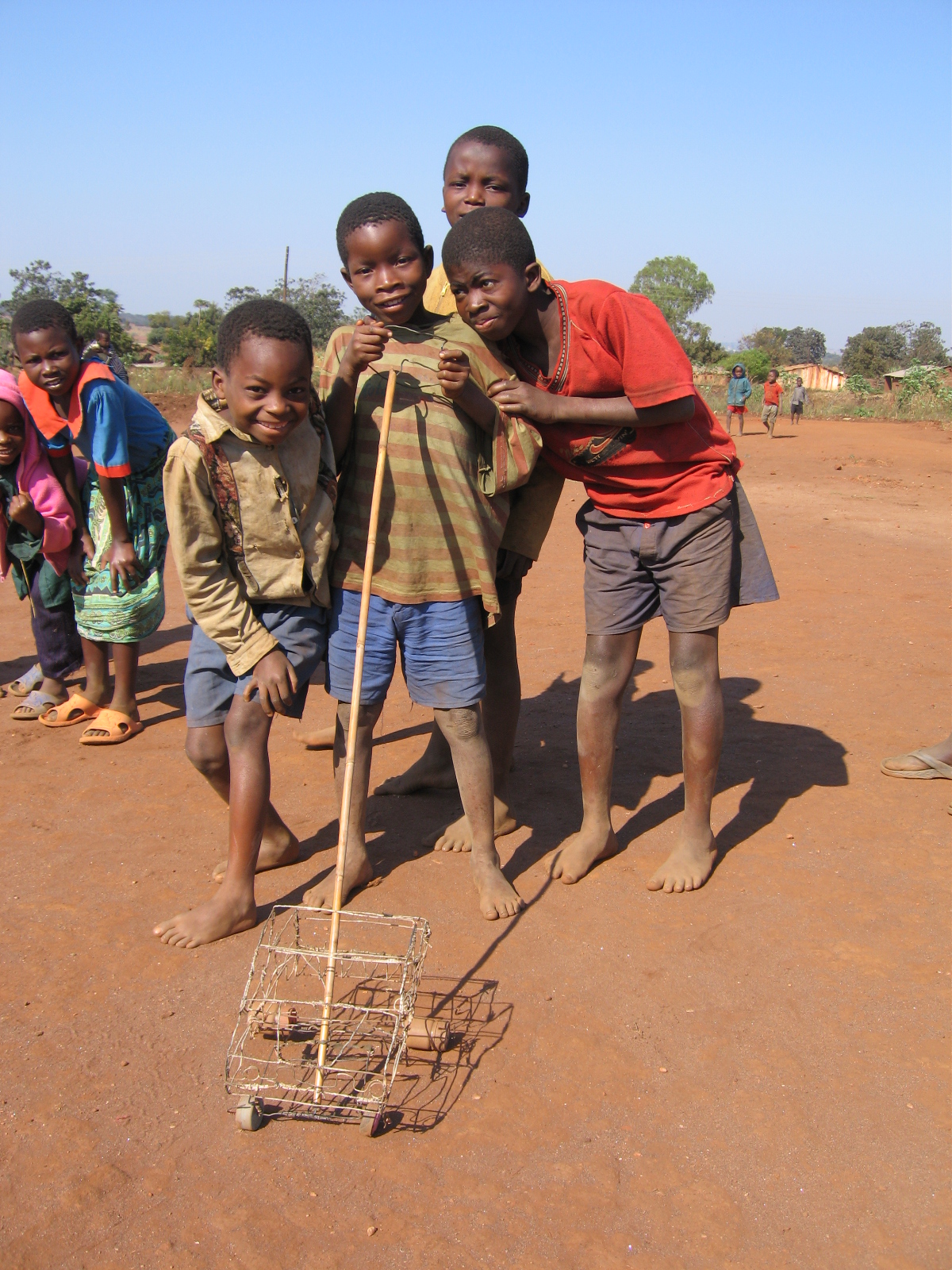
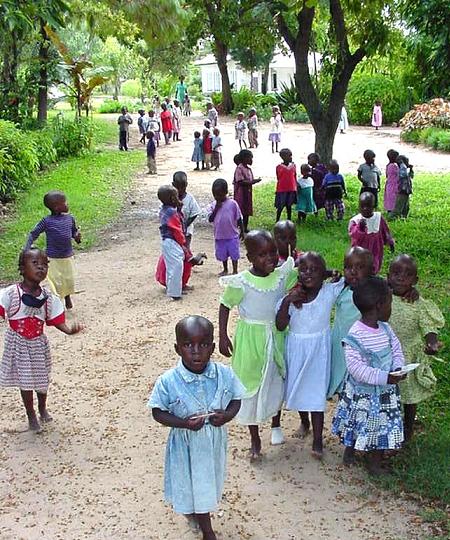
Definition and measurement
Major United Nations agencies, including those focused on health and children, have adopted operational definitions to track the phenomenon and plan services. A commonly used approach counts children whose mother died of HIV before the child reached a specified age. Other definitions count loss of either parent or use an upper age limit such as 18 years. The choice of definition affects counts and trends, and complicates comparisons between countries or over time. For technical guidance and global estimates, organizations such as the World Health Organization WHO and child welfare agencies publish methodologies and reports.
How parental HIV leads to orphanhood
Most people who develop advanced HIV disease are adults in their economically productive years. When a parent becomes ill and dies, households lose income, caregiving capacity and social protection. The pathways from parental illness to long-term disadvantage for children often include interrupted schooling, reduced household food security, and increased risk of early marriage or child labour. Stigma associated with HIV can further limit a child’s access to community support and services.
Social and economic consequences
The impacts of orphaning are multiple and interlinked. Common consequences include:
- Economic hardship: loss of a primary earner and increased household poverty, which may prompt migration or sale of assets (income effects).
- Educational disruption: school drop-out or reduced attendance due to costs or caregiving responsibilities.
- Psychosocial effects: bereavement, anxiety, stigma and potential mental health problems.
- Care arrangements: many children enter extended-family care, foster systems, or, less commonly, institutional care.
Regional patterns and numbers
The burden of AIDS orphanhood has been concentrated in regions hardest hit by the HIV epidemic, notably parts of sub-Saharan Africa. National patterns differ: some countries report very high shares of orphans attributable to HIV, while others have smaller relative burdens. Historical projections and past estimates varied widely; they informed planning but have been revised as treatment access expanded and HIV incidence changed. Examples of countries often discussed in the literature include South Africa South Africa and Zimbabwe Zimbabwe, and broader regional discussion often refers to Africa (sub-Saharan Africa) as a focal area for programmatic response.
Care, responses and interventions
Responses to the needs of AIDS orphans combine family strengthening, community-based support and formal social protection. Typical elements are cash transfers and school fee waivers, psychosocial counselling, food assistance, and programs to support caregivers. Expanded access to antiretroviral therapy reduces mortality among parents and thus the future incidence of orphanhood. Governments, international agencies and non-governmental organizations coordinate efforts; successful responses typically blend short-term relief with measures that strengthen long-term resilience for children and households.
Distinctions, debates and policy notes
There is ongoing debate about terminology and priorities. Critics argue that the label "AIDS orphan" can obscure children’s continuing family ties and may stigmatize the child or the household. Measurement choices (which parent, what age threshold) influence reported totals and the targeting of services. Many advocates emphasize assessing the child’s actual needs—economic support, schooling, health and psychosocial care—rather than relying solely on a label.
Further reading and resources
- Definition of orphan and related terms
- Overview of HIV/AIDS
- Health guidance and global reports
- Information on transmission and prevention
- Economic impacts on families
- Role of governments and policy responses
- Regional overviews: Africa
- Country profile: South Africa
- Statistical considerations and indicators
- Country profile: Zimbabwe
Questions and answers
Q: What is an AIDS orphan?
A: An AIDS orphan is a child who became an orphan because at least one of their parents died of AIDS. (An orphan is a child with no parents.)
Q: How do UNICEF, WHO and UNAIDS define the term "AIDS orphan"?
A: UNICEF, WHO and UNAIDS use the term "AIDS orphan" to talk about children whose mothers died of AIDS before the child's 15th birthday, whether the father is still alive or not.
Q: How many new AIDS orphans are there each year?
A: There are 70,000 new AIDS orphans each year.
Q: What country had the most AIDS orphans in 2007?
A: South Africa had more AIDS orphans than any other country in 2007.
Q: Does South Africa define "AIDS orphan" differently than UNICEF and WHO?
A: Yes, South Africa uses the term to talk about children under age 18 who lost either their father or their mother to AIDS.
Q: What country had the highest percentage of AIDS orphans among its total number of orphans in 2005?
A: Zimbabwe had the highest percentage of AIDS orphans among its total number of orphans in 2005.
Related articles
Author
AlegsaOnline.com AIDS orphan Leandro Alegsa
URL: https://en.alegsaonline.com/art/1534
Sources
- data.unaids.org : UNAIDS.org
- digitaljournal.com : "South Africa's 3,4-million Aids-orphans to get 'adult' rights"
- time.com : AIDS Orphan's Preventable Death Challenges Those Left Behind
- projectaidsorphan.org : Project Aids Orphan
- avert.org : "AIDS orphans"
- childrencount.ci.org.za : children count