
Afro-Haitians: Origins, History, Culture, and Demography
Afro-Haitians are Haitians of predominantly African descent. This article outlines their origins in the Atlantic slave trade, the Haitian Revolution, cultural life, and contemporary demographics and social distinctions.
Overview
Afro-Haitians, often called Black Haitians, make up the majority of Haiti's population and are the descendants of people brought from Africa during the transatlantic slave trade. Many identify with specific West African cultural lineages and traditions. The term covers a broad range of identities, from people whose families retained strong African cultural practices to those whose ancestry also includes European or indigenous elements. Contemporary Afro-Haitian identity is woven into national language, religion, and social life.
Image gallery
8 Images




Origins and historical development
Most Afro-Haitians trace their roots to forced migrations from regions of West Africa and other parts of the African continent. Enslaved people were shipped to work on colonial plantations producing sugar, coffee and other commodities. The enslaved population transformed the colony's economy and culture, and their resistance culminated in the Haitian Revolution (1791–1804), a successful anti-slavery and anti-colonial uprising that established Haiti as the first Black republic in 1804. That revolution is central to Afro-Haitian historical memory and identity.
Culture and society
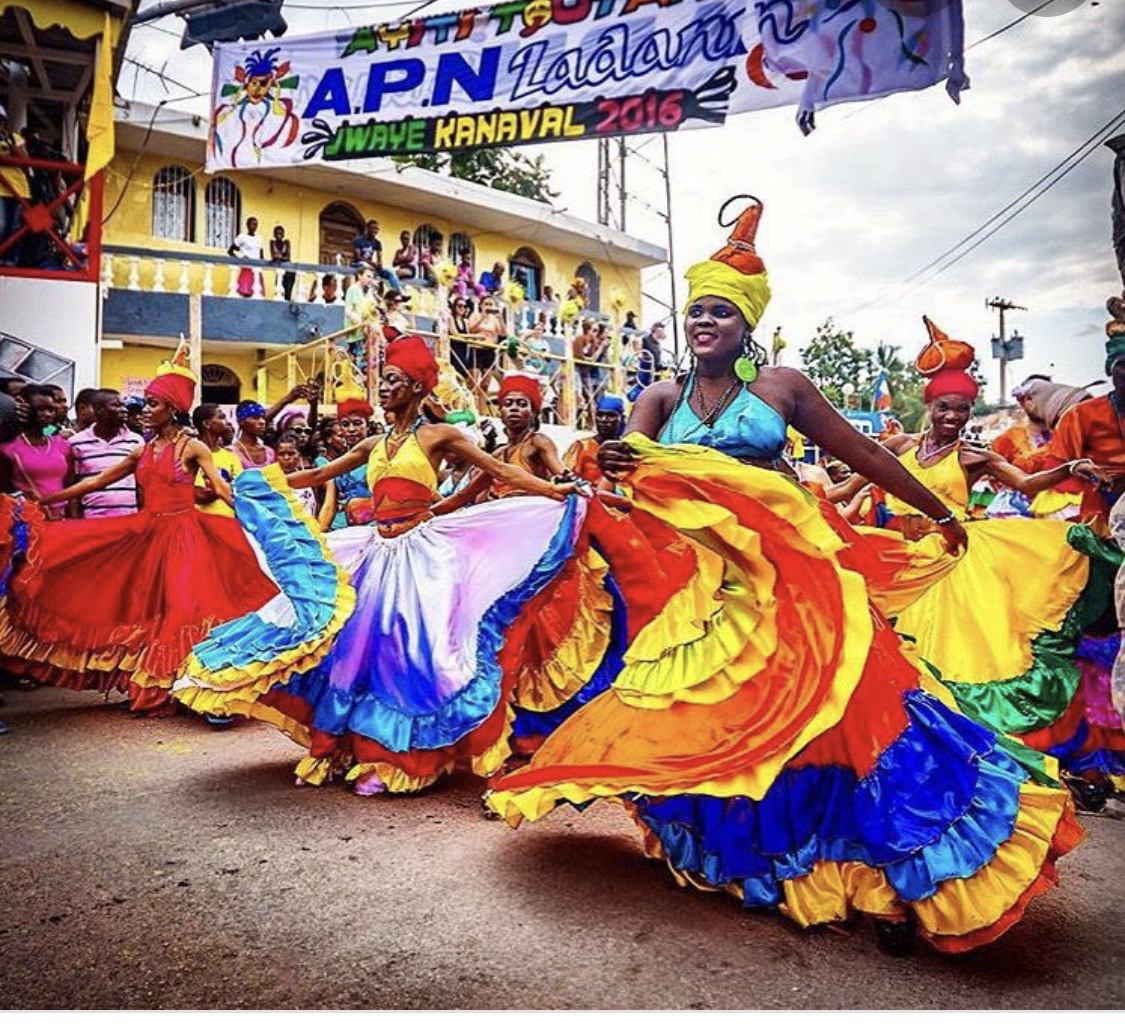
Afro-Haitian culture blends African, European and Indigenous influences. Language is a core element: Haitian Creole, derived largely from French but shaped by African languages, is the national tongue alongside French. Religious life commonly features Catholicism and syncretic faiths such as Vodou, which preserve African spiritual concepts. Music, dance, cuisine and visual arts reflect this mix; rhythms, storytelling and communal ceremonies retain links to ancestral practices.
Demographics and identity
The vast majority of Haitians are of predominantly African ancestry; estimates commonly state that around 90% of the population is Black. Within that population, a notable proportion have mixed African and European ancestry and are often described as mulatto. Discussions about class and colorism have historical roots in colonial social structures that privileged lighter skin and mixed descent, creating social distinctions that persist in nuanced ways today.
Aspects and notable facts
- Language: Haitian Creole and French both play roles in education, media and government.
- Religion: Many Afro-Haitians practice forms of Christianity alongside Vodou and other syncretic traditions.
- Resistance and independence: The Haitian Revolution reshaped Atlantic politics and is a defining event for Afro-Haitian heritage.
- Migration: A sizable Haitian diaspora maintains cultural ties and contributes to transnational exchanges of people, ideas and remittances.
Further context and resources
For background on the nation and its people, see materials about Haiti and the histories of enslaved slaves brought from the continent. Genealogical and anthropological studies often discuss the role of ancestors (ancestors) and regional African origins in shaping contemporary identity. Scholarly work and community sources provide the best avenue for deeper study of Afro-Haitian history and cultural life. For introductory overviews and primary accounts, consult reputable histories and cultural studies linked in academic and public repositories (West African connections and plantation economies).
Questions and answers
Q: Who are Afro-Haitians?
A: Afro-Haitians are Haitian people whose ancestors were Africans.
Q: Where did the ancestors of Afro-Haitians come from?
A: The ancestors of Afro-Haitians came from West Africa.
Q: What work were the West African slaves brought to Haiti for?
A: The West African slaves were brought to work in plantations, mainly for sugar canes.
Q: What percentage of Haitians are of African descent?
A: About 90% of Haitians are of African descent.
Q: What percentage of Afro-Haitians are of mixed race or mulatto?
A: About 25-30% of Afro-Haitians are of mixed race or mulatto.
Q: What is another name for Black Haitians?
A: Afro-Haitians is another name for Black Haitians.
Q: Why is it important to acknowledge the ancestry of Afro-Haitians?
A: It is important to acknowledge the ancestry of Afro-Haitians because it recognizes the contributions and struggles of their ancestors in building Haitian society and culture.
Tags
Related articles
Author
AlegsaOnline.com Afro-Haitians: Origins, History, Culture, and Demography Leandro Alegsa
URL: https://en.alegsaonline.com/art/1296
Sources
- cia.gov : "Haiti: People and society: Population"
- i1207.photobucket.com : African origins in Greater Antilles
- s1207.photobucket.com : photobucket: African origins in Americas