
René Girard: Mimetic Theory, Violence, and the Scapegoat
Concise encyclopedia article on René Girard, the French‑American thinker who developed mimetic theory and the scapegoat mechanism, summarizing his methods, major works, influence, and critical debates.
René Girard (1923–2015) was a French‑American intellectual whose work bridged literary criticism, anthropology, theology, and the social sciences. He developed a theoretical framework—commonly called mimetic theory—that seeks to explain human desire, rivalry, and the recurrent emergence of collective violence. Writing across nearly thirty books and numerous essays, Girard moved from detailed readings of novels and plays to broad comparative claims about myth, ritual, religion, and social order.
Image gallery
6 Images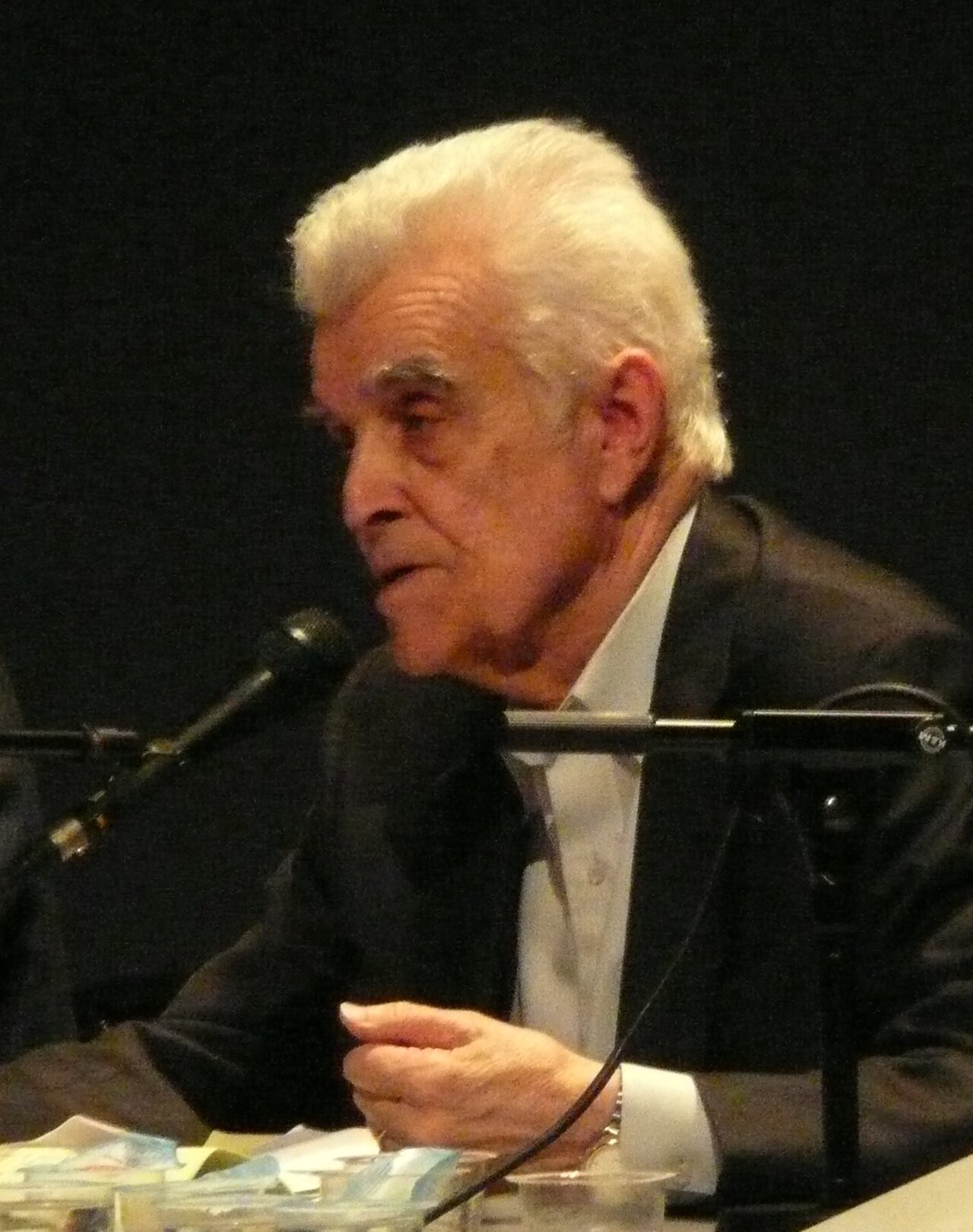




Core ideas
At the center of Girard's thought is the claim that human desire is largely imitative: people often desire objects and goals because others desire them. This mimetic desire tends to be triangular rather than individual—two subjects desiring the same model or object can become rivals. When imitation multiplies within a community, rivalry can escalate into communal crisis. Societies, Girard argued, defuse such crises through a scapegoating process that focuses aggression on a single victim or marginal group; the expulsion or ritual killing of that victim restores temporary peace. Myth and ritual both conceal and ritualize this mechanism, while certain religious narratives can expose it.
Method and sources
Girard combined close literary analysis with comparative anthropology and religious interpretation. He traced mimetic patterns in novels, drama, and classical texts, then used anthropological reports and studies of sacrificial rites to generalize about social dynamics. He also engaged in biblical exegesis, arguing that some sacred texts—especially within the Judeo‑Christian tradition—reveal the innocence of scapegoated victims and thereby undermine the legitimacy of the sacrificial system.
Major works
- Deceit, Desire and the Novel — Girard's early book that presents mimetic desire through readings of European novelists.
- Violence and the Sacred — Explores the connection between sacrifice, ritual, and the foundations of social order.
- Things Hidden Since the Foundation of the World — A wider synthesis addressing culture, religion, and revelation.
- The Scapegoat — Essays and reflections that develop the scapegoat mechanism and its theological implications.
Influence and applications
Girard's ideas attracted attention across disciplines. Anthropologists and historians have used mimetic theory to reconsider ritual violence and origins of religion; literary scholars deploy it as a tool for reading character conflict; theologians examine its implications for understanding atonement and the role of scripture. Social scientists and conflict researchers have applied mimetic concepts to modern phenomena such as political polarization, mob dynamics, and media‑amplified rivalries. For general resources and bibliographies see introductory guides and work collected at research centers.
Reception and criticism
Supporters value Girard for offering a unifying explanatory model and for reinterpreting religious texts in a provocative way. Critics argue that mimetic theory can be overly broad or deterministic: it may underplay structural, economic, or institutional factors that contribute to conflict, and some accuse Girard of extrapolating from literary examples to historical claims without sufficient empirical grounding. Others have sought to refine or test Girardian claims with historical and sociological methods, producing an ongoing dialogue about scope and limits.
Legacy
Girard's cross‑disciplinary reach ensured a contested but enduring legacy. His work continues to inspire scholarship, conferences, and interdisciplinary research programs that explore imitation, violence, and ritual. For biographical summaries, critical collections, and primary texts consult biographical resources, academic critiques, and collections of primary writings. His concepts remain a reference point for debates about human sociality, the origins of religion, and the mechanisms that permit communities to manage internal conflict.
Author
AlegsaOnline.com René Girard: Mimetic Theory, Violence, and the Scapegoat Leandro Alegsa
URL: https://en.alegsaonline.com/art/129390