
Ray Griff (1940–2016) — Canadian country singer-songwriter
Ray Griff was a Canadian country singer-songwriter from Vancouver who moved to Nashville in 1964. He recorded several charting singles in the 1970s and worked as a professional songwriter and performer.
Raymond "Ray" Griff (April 22, 1940 – March 9, 2016) was a Canadian artist known for his work as a country music performer and a professional singer-songwriter. Born and raised in Vancouver, he established a career that spanned writing and recording, building a bridge between Canada's music scene and the Nashville industry. Griff's work combined the narrative focus of traditional country with the polished production styles common in mid-20th-century Nashville.
Image gallery
1 Image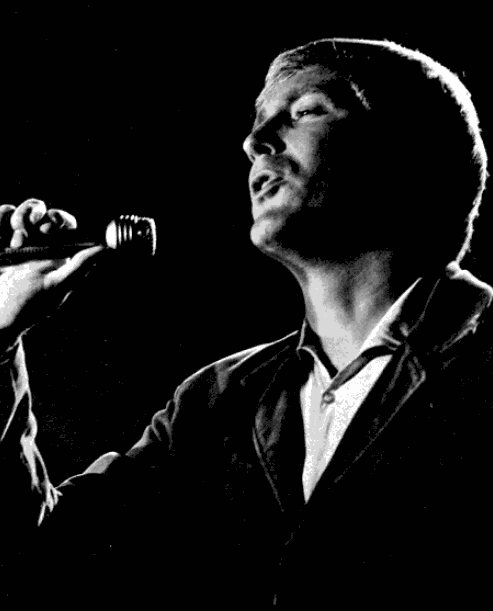
Early life and move to Nashville
Griff began composing songs in the early 1960s and, seeking fuller opportunities as a writer and performer, relocated to Nashville in 1964. That move placed him at the center of the American country music business and allowed him to pursue both songwriting and recording more actively. His Vancouver roots remained a notable part of his identity: he was often cited as an example of Canadian artists who crossed into the U.S. country market while maintaining ties to British Columbia and the Canadian country community.
Recording career and musical style
Griff's first singles appeared in the late 1960s. He recorded for several labels during his career, starting with smaller independent outlets and later signing with larger companies, including a period with Capitol Records. Griff's recordings reflected the era's mainstream country sound — melodic ballads and mid-tempo numbers with clear storytelling lyrics. In 1970 he reached the U.S. charts with a cover version of the soul song "Patches," which became his first notable single on the Billboard charts.
Career highlights
- Early songwriting and migration to Nashville in 1964 helped establish him as a professional in the industry (Nashville).
- His 1970 single "Patches" achieved national attention and appeared on the Billboard country listings.
- Between 1975 and 1979, while recording for Capitol Records (Capitol Records), Griff scored several additional country top 40 entries, the highest-charting being 1976's "If I Let Her Come In."
Over the years Griff worked with a range of labels, including independent outfits and more established companies such as Dot Records. His career is an example of a working songwriter-performer who navigated the evolving business of country music in the 1960s and 1970s, balancing recording with continued composition for other artists and projects.
Legacy and later life
Although never a superstar, Griff maintained a respected presence among peers for his songwriting craft and his persistence in the competitive Nashville environment. He is remembered in both Canadian and American country circles as one of several Canadian-born songwriters who made a sustained effort in the U.S. market. In March 2016, after undergoing surgery, Ray Griff died in Canada from complications of pneumonia at the age of 75 (cause of death). He came from Vancouver, British Columbia (Vancouver, British Columbia), and his life and work remain part of the broader history of North American country music and the cross-border movement of artists (music career overview).
Author
AlegsaOnline.com Ray Griff (1940–2016) — Canadian country singer-songwriter Leandro Alegsa
URL: https://en.alegsaonline.com/art/129308