
Radovan Karadžić — Bosnian Serb leader and convicted war criminal
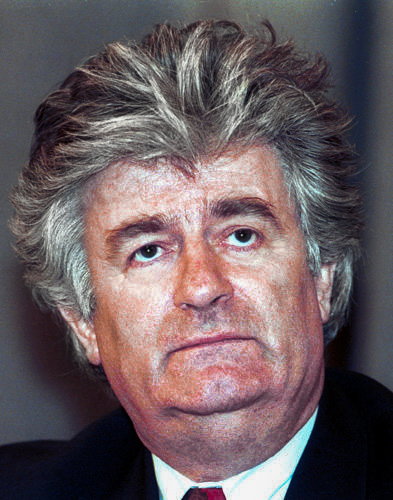
Radovan Karadžić (born 1945) was a Bosnian Serb political leader during the 1992–95 Bosnian War. He was indicted by the International Criminal Tribunal, arrested in 2008, and later convicted of genocide and other crimes.
Overview
Radovan Karadžić (born 19 June 1945) rose to prominence as a leader of Bosnian Serb politics during the breakup of Yugoslavia. He was born in Petnjica, Montenegro (place of birth) in what was then the Socialist Federal Republic of Yugoslavia (former Yugoslavia). Karadžić served as the first president of the self-proclaimed Republika Srpska, the Bosnian Serb entity that emerged during the conflict in Bosnia and Herzegovina.
Image gallery
10 Images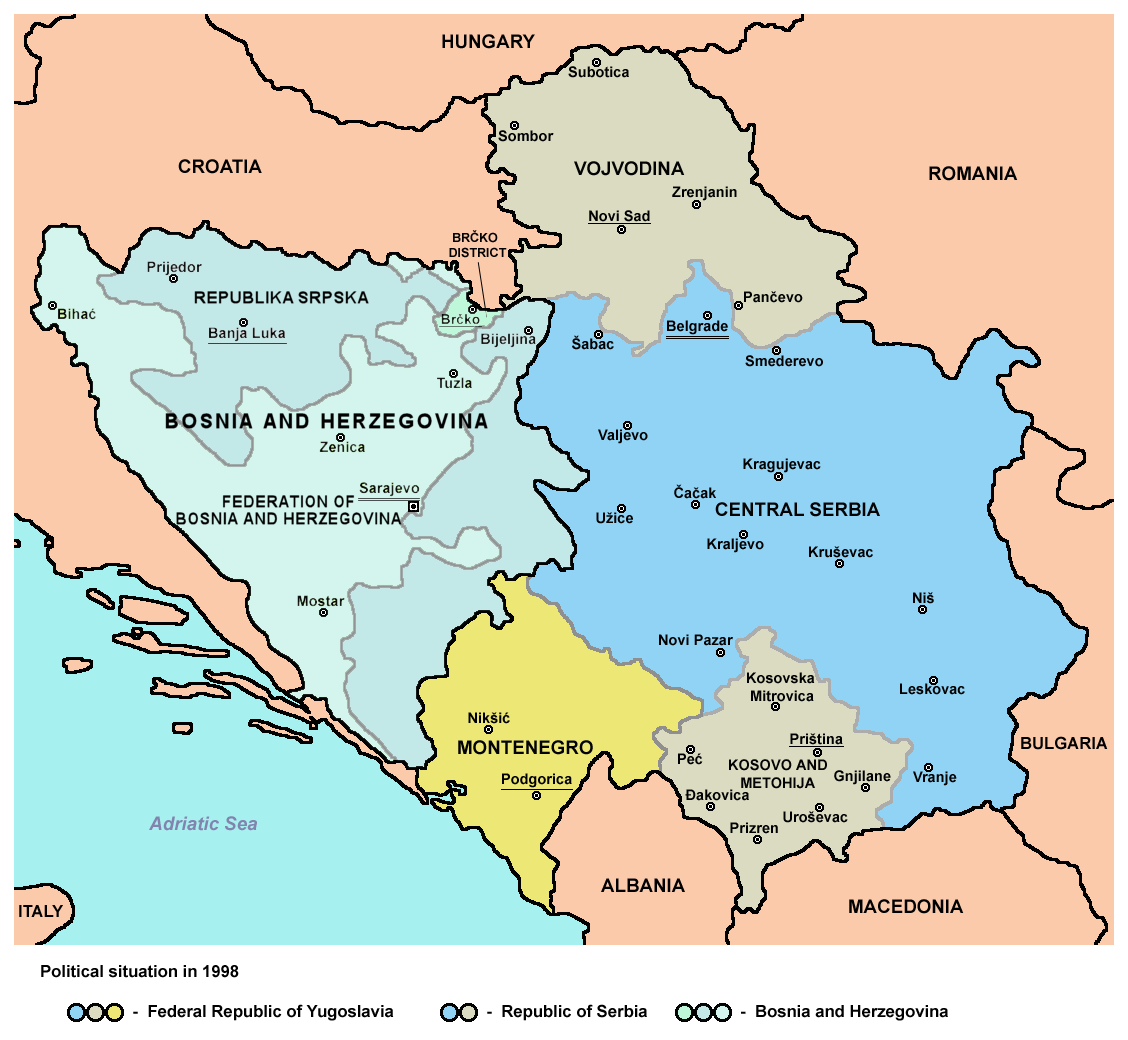


Political career and role in the war
Initially a poet and psychiatrist by training, Karadžić became a prominent nationalist politician in the early 1990s. He is commonly described as a Bosnian Serb politician (background) and led a political movement that sought to separate parts of Bosnia for Serb control. His leadership coincided with major wartime events including the long Siege of Sarajevo and the mass killing at Srebrenica.
Indictment, flight, and arrest
In 1995 he was indicted by the International Criminal Tribunal for the former Yugoslavia (ICTY) on numerous counts related to crimes committed during the war. After living covertly for many years, he was a fugitive until his capture. He was arrested (arrest notice) on 21 July 2008 in Serbia (location) and transferred to The Hague to face trial.
Charges and trial
The charges brought against Karadžić covered a range of international crimes. Major categories included:
- Genocide and complicity in genocide
- Crimes against humanity such as persecution, extermination, deportation
- War crimes including attacks on civilians
The ICTY trial examined his role as a political leader and his alleged coordination with military forces and other officials.
Conviction and sentence
In 2016 Karadžić was convicted (conviction record) by the ICTY of genocide, crimes against humanity and war crimes. He received a lengthy prison sentence. An appeals process followed, which adjusted aspects of the verdict and the sentence. His case remains a central example in discussions about leadership accountability for mass atrocity.
Legacy and significance
Karadžić's trial and conviction had wide political and legal significance: it helped define responsibility for wartime political leaders and contributed to international jurisprudence on genocide and crimes against humanity. Views on his legacy remain deeply polarized across the former Yugoslavia, reflecting the enduring social and political impact of the 1992–95 war.
For further structured information, see timelines and primary documents linked by authoritative sources (political profile).
Questions and answers
Q: Who is Radovan Karadžić?
A: Radovan Karadžić is a former Bosnian and Herzegovinian politician who was in charge of part of the Bosnian Genocide.
Q: When was Radovan Karadžić born?
A: Radovan Karadžić was born on 19 June 1945 in Petnjica, Montenegro, Yugoslavia.
Q: What happened to Radovan Karadžić between 1995 and 2008?
A: Radovan Karadžić was a fugitive between 1995 and 2008.
Q: Where was Radovan Karadžić arrested?
A: Radovan Karadžić was arrested in Serbia.
Q: When was Radovan Karadžić convicted of war crimes?
A: Radovan Karadžić was convicted of war crimes in 2016.
Q: What was Radovan Karadžić's role in the Bosnian Genocide?
A: Radovan Karadžić was in charge of part of the Bosnian Genocide.
Q: What language does the Serbian version of Radovan Karadžić's name use?
A: The Serbian Cyrillic version of Radovan Karadžić's name uses the language of Serbian.
Author
AlegsaOnline.com Radovan Karadžić — Bosnian Serb leader and convicted war criminal Leandro Alegsa
URL: https://en.alegsaonline.com/art/129136