
Princess Alice, Grand Duchess of Hesse and by Rhine
Overview of Princess Alice (1843–1878), second daughter of Queen Victoria, her life as Grand Duchess of Hesse, nursing and charitable work, family, the 1878 diphtheria outbreak and legacy.
Overview
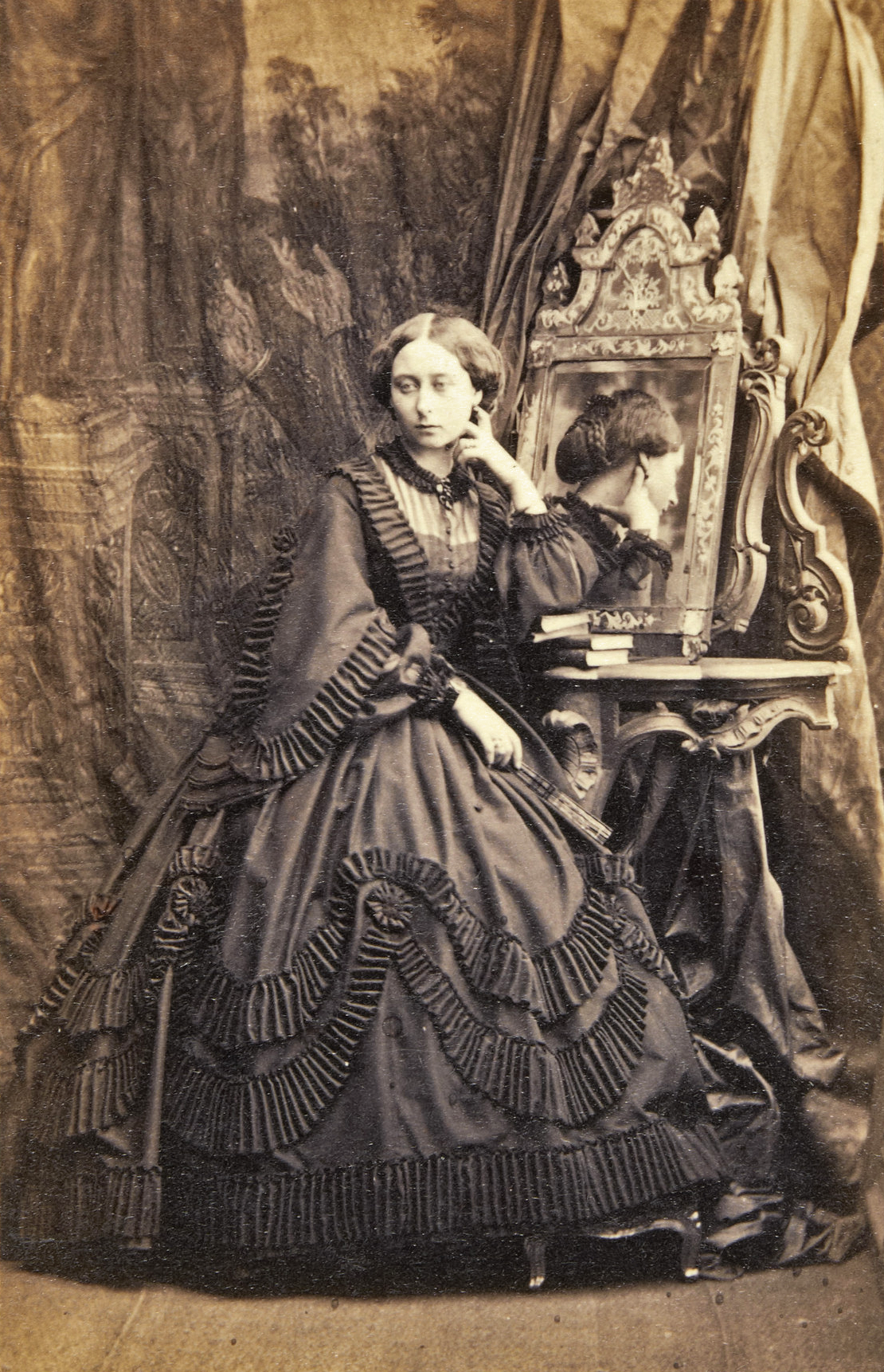
Princess Alice Maud Mary (25 April 1843 – 14 December 1878) was the second daughter of Queen Victoria and Prince Albert. By marriage she became Grand Duchess of Hesse and by Rhine. Remembered for her devotion to family, interest in nursing and social welfare, and the tragic circumstances of her death, Alice occupies a prominent place among the mid‑Victorian generation of European royalty.
Image gallery
9 Images




Early life and family background
Raised in the close domestic circle of Victoria and Albert, Alice grew up in a household that valued education, piety and public duty. The experience of caring for her dying father in 1861 contributed to an enduring interest in medical care and nurse training. She remained in frequent correspondence with her parents after marriage and was seen as serious, compassionate and reform-minded compared with some of her peers.
Marriage and role in Hesse
In 1862 Alice married Prince Louis of Hesse (later Louis IV), moving to the Grand Ducal court at Darmstadt. As Grand Duchess she combined the ceremonial duties expected of a German sovereign's wife with practical involvement in charitable projects. Influenced by contemporary nursing reforms and her own personal experience, she promoted improved care for the sick and poor, supported local hospitals and encouraged the training of nurses.
Children and family ties across Europe
Alice and Louis had several children, several of whom married into other European dynasties. Notable among them were Princess Victoria, Grand Duchess Elisabeth (later known in Russia as Elizabeth Feodorovna), Princess Irene, Ernest Louis (who succeeded as Grand Duke), and Alix, who became Empress Alexandra of Russia. These family connections linked the House of Hesse to courts across Europe and shaped diplomatic and personal relationships in the late 19th and early 20th centuries.
Work, interests and public role
Although she never sought political power, Alice used her position to support charitable work, health initiatives and education for women. Her practical concern for nursing and household medicine reflected wider Victorian movements toward organized public health and voluntary social service. Observers of the time noted her hands‑on approach and willingness to visit hospitals and work with charitable societies.
Illness, death and aftermath
In late 1878, a serious outbreak of diphtheria struck members of the Hesse household. During the outbreak Alice devoted herself to caring for the sick children. One of her children died of the disease; while tending the family she contracted the infection and died on 14 December 1878 — the anniversary of her father's death. Her early death was widely mourned and had lasting effects on her surviving children and on the social circles connected to the British and German courts. The episode also highlighted the vulnerability of even privileged families to infectious disease before modern treatments.
Legacy and notable facts
- Alice is remembered for introducing more conscientious nursing and charitable practice at her court and for a deeply religious, service-oriented personal ethos.
- Two of her daughters became prominent figures in Russia: one founded charitable institutions and later died in the aftermath of revolution, and another became the last Empress of Russia — links that tied Hesse to later historic events.
- The circumstances of her death raised public awareness in Germany and Britain about diphtheria and the need for better prevention and care.
For further reading on her life and context see sources on the Victorian royal family, nursing reform in the 19th century and the history of the Grand Duchy of Hesse. Additional references and archival materials can be found through historical collections dedicated to Queen Victoria and European dynastic correspondence. Contemporary discussions of her interest in nursing often reference broader developments in medical care and philanthropic organization (nursing history, Hesse regional history). Biographical and dynastic studies also highlight the later Russian connections through her daughters (Russian imperial family), and accounts of the 1878 illness note the role of diphtheria in her death.
Author
AlegsaOnline.com Princess Alice, Grand Duchess of Hesse and by Rhine Leandro Alegsa
URL: https://en.alegsaonline.com/art/128977