
Afrikaner nationalism: origins, development, and legacy
Political and cultural movement centered on Afrikaner identity, language and Calvinist tradition in South Africa; influential in 20th‑century politics and the apartheid era, now a contested legacy.
Overview
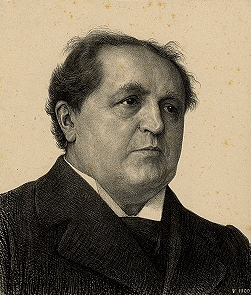
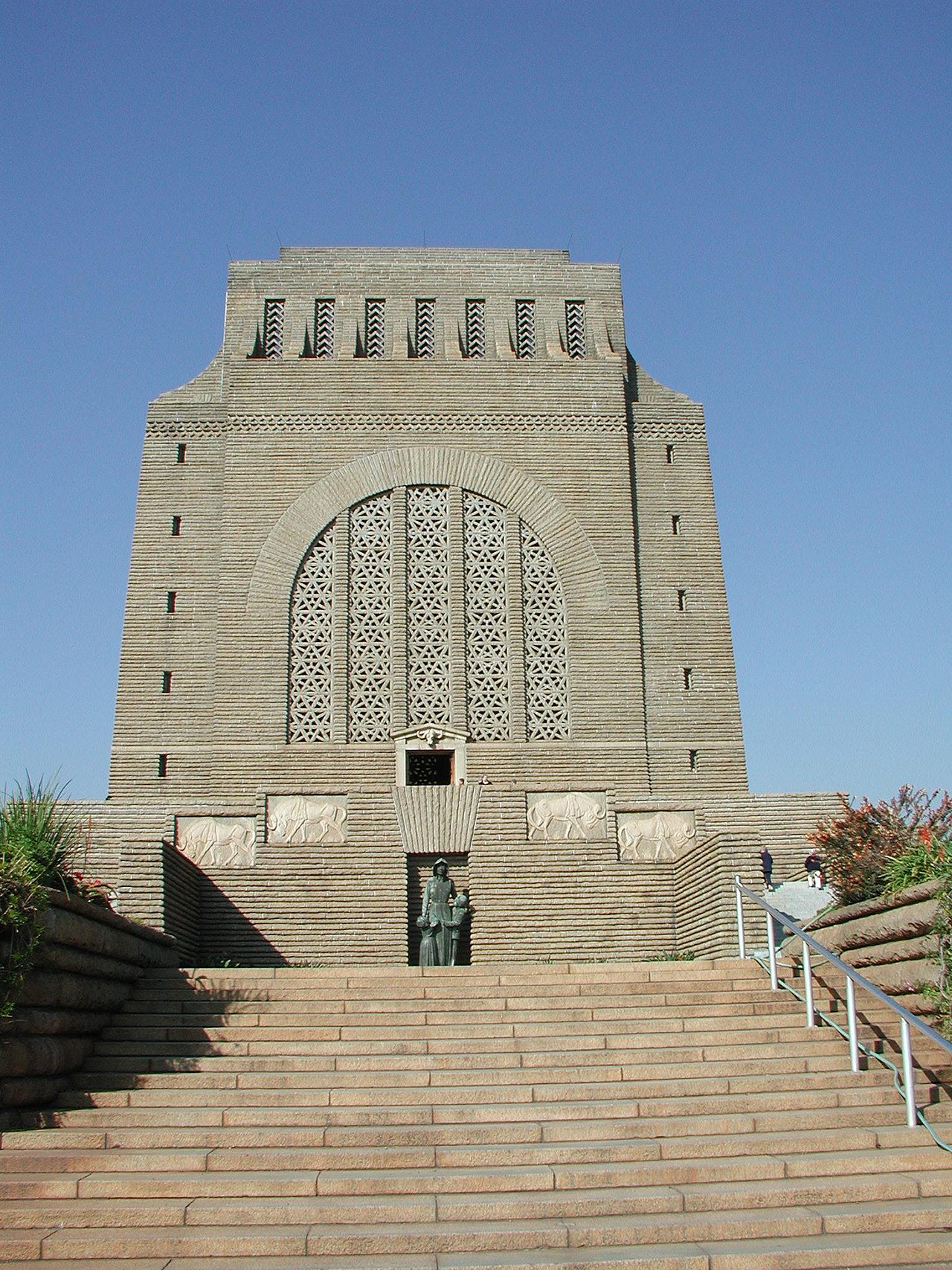
Afrikaner nationalism is a political and cultural movement that emerged among Afrikaans‑speaking white South Africans in the 19th and early 20th centuries. It sought to define and promote a distinct Afrikaner identity based on language (Afrikaans), shared history, and a conservative interpretation of Calvinist religion. The movement influenced party politics, social institutions and public policy in South Africa for much of the 20th century, particularly during the period of National Party rule.
Image gallery
8 Images




Core characteristics
The ideology combined several strands into a program of collective self‑definition and political mobilization. Common elements included:
- Ethnolinguistic identity: Promoting Afrikaans as the language of the group and a marker of cultural distinctiveness.
- Religious influence: Emphasizing Dutch Reformed or Afrikaner Calvinist ideas about providence, moral order and community solidarity.
- Historical narrative: A civil‑religious view of Afrikaner history that valorized settlement, struggle and perceived victimhood under British imperial influence.
- Political mobilization: Organizing institutions, parties and social networks to defend and advance Afrikaner interests in competition with English‑speaking whites and other groups.
- Racial and exclusionary policies: In its political implementation, especially from the mid‑20th century, it supported racial segregation and white minority rule; scholars describe those policies as central to how the ideology operated in practice.
Historical development
Roots of Afrikaner nationalism can be traced to the colonial and frontier experience of Dutch settlers and their descendants, evolving through 19th‑century conflicts, the formation of Afrikaans as a language distinct from Dutch, and the social dislocations of industrialization. During the late 19th and early 20th centuries, cultural institutions, churches and political organizations helped consolidate a coherent national movement. The National Party, founded in 1914, became the main political vehicle and, after winning power in 1948, implemented a system of comprehensive racial segregation and separate development that later became known as apartheid.
Organizations and networks
Several formal and informal organizations promoted Afrikaner nationalism and coordinated social and political activity. These included mass cultural bodies, educational institutes and secretive elite networks. Examples often mentioned by historians are:
- National Party (political party that governed from 1948 to 1994)
- Broederbond (a private male network that influenced leadership circles)
- Federasie van Afrikaanse Kultuurvereniginge (FAK)
- Institute for Christian National Education
- White Workers' Protection Association
Researchers and archives provide further study of these groups; see a general discussion of the ideology as a political ideology and its institutional expressions in both popular accounts and academic work (scholarship, organizational histories). The term Afrikaner identifies the ethnic community at the movement's center.
Importance, decline and legacy
Afrikaner nationalism profoundly shaped South African law, economics and social relations through much of the 20th century, culminating in the apartheid state. From the late 20th century, internal changes, international opposition, economic pressures and political negotiations eroded its institutional power; the National Party left government after democratic reforms in 1994. Contemporary South Africa continues to deal with the social and legal legacies of that period, including debates about language policy, historical memory and restitution.
Distinctions and notable facts
Scholars often distinguish between cultural nationalism (language, religion, folklore) and the political program that sought to translate cultural identity into state power. Some historians describe Afrikaner nationalism as functioning like a "civil religion" that fused sacred and national narratives to legitimize collective aims. The topic remains contentious: for some it represents legitimate cultural self‑assertion, while for others its political application is inseparable from racial exclusion and oppression. For further reading and primary sources consult specialized works and archives listed by academic institutions and repositories (research guides, archival collections).
Related articles
Author
AlegsaOnline.com Afrikaner nationalism: origins, development, and legacy Leandro Alegsa
URL: https://en.alegsaonline.com/art/1288
Sources
- science.jrank.org : "Apartheid - Rise Of Afrikaner Nationalism"
- books.google.com : The Rise, Fall, and Legacy of Apartheid