
Aliyah Bet (Ha'apala): Clandestine Jewish Immigration to Palestine, 1934–1948
Aliyah Bet, or Ha'apala, was the clandestine movement that brought Jews to the British Mandate of Palestine between 1934 and 1948, using ships, overland routes and organized rescue efforts despite British restrictions.
Aliyah Bet (the Hebrew term is עלייה ב)—also called Aliyah bet or in Hebrew Ha'apala (meaning "ascension")—refers to organized, illegal immigration of Jews to the British Mandate of Palestine between the mid-1930s and 1948. The movement grew largely in response to rising persecution in Europe and limits imposed by British policy. Participants included Holocaust survivors, refugees, and Zionist activists who arranged transport, forged documents, and coordinated landings despite wartime dangers and naval patrols.
Image gallery
10 Images


Context and organization
British immigration policy hardened after the 1939 White Paper, which restricted Jewish migration and required Arab consent for future increases. In this legal climate, clandestine migration was organized by Jewish agencies and underground groups, most notably the Haganah's immigration department, often called Mossad LeAliyah Bet. These organizations raised funds, chartered or built ships, recruited crews, and negotiated escape routes across Europe and the Mediterranean. Support also came from Jewish communities abroad and various rescue networks.
Routes, vessels and notable incidents
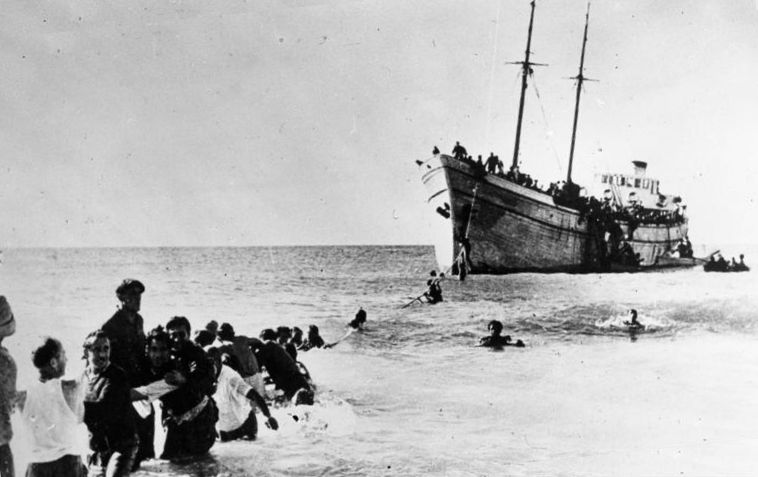
Most operations used small, crowded ships and long sea voyages that sought to avoid the British Navy. Others traveled overland via the Balkans and Syria. Several incidents became emblematic of the period:
- Exodus 1947—a high-profile case in which thousands of displaced persons aboard the ship were intercepted and sent to detention; the episode drew international attention and sympathy.
- Struma (1942)—a refugee ship carrying Jewish refugees whose sinking in the Black Sea left almost no survivors; it remains one of the worst single-ship tragedies of the era.
- Patria and other sinkings—accidents and collisions, sometimes during interception or due to overloading, caused further loss of life.
Scale, interceptions and detention
Estimates place the number of attempted clandestine migrants in the tens of thousands; some accounts cite more than 100,000 people who sought to reach Palestine during this period. Records note roughly 140 voyages by around 120 ships, and that many vessels were intercepted by British patrols. Hundreds or more died at sea—commonly quoted totals for maritime casualties run into the low thousands—while large numbers of survivors were interned. Those prevented from landing were often sent to detention camps: Atlit served as an early detention center in Palestine, and after World War II many intercepted migrants were deported to camps in Cyprus for months or years.
Legacy, memorials and historical importance
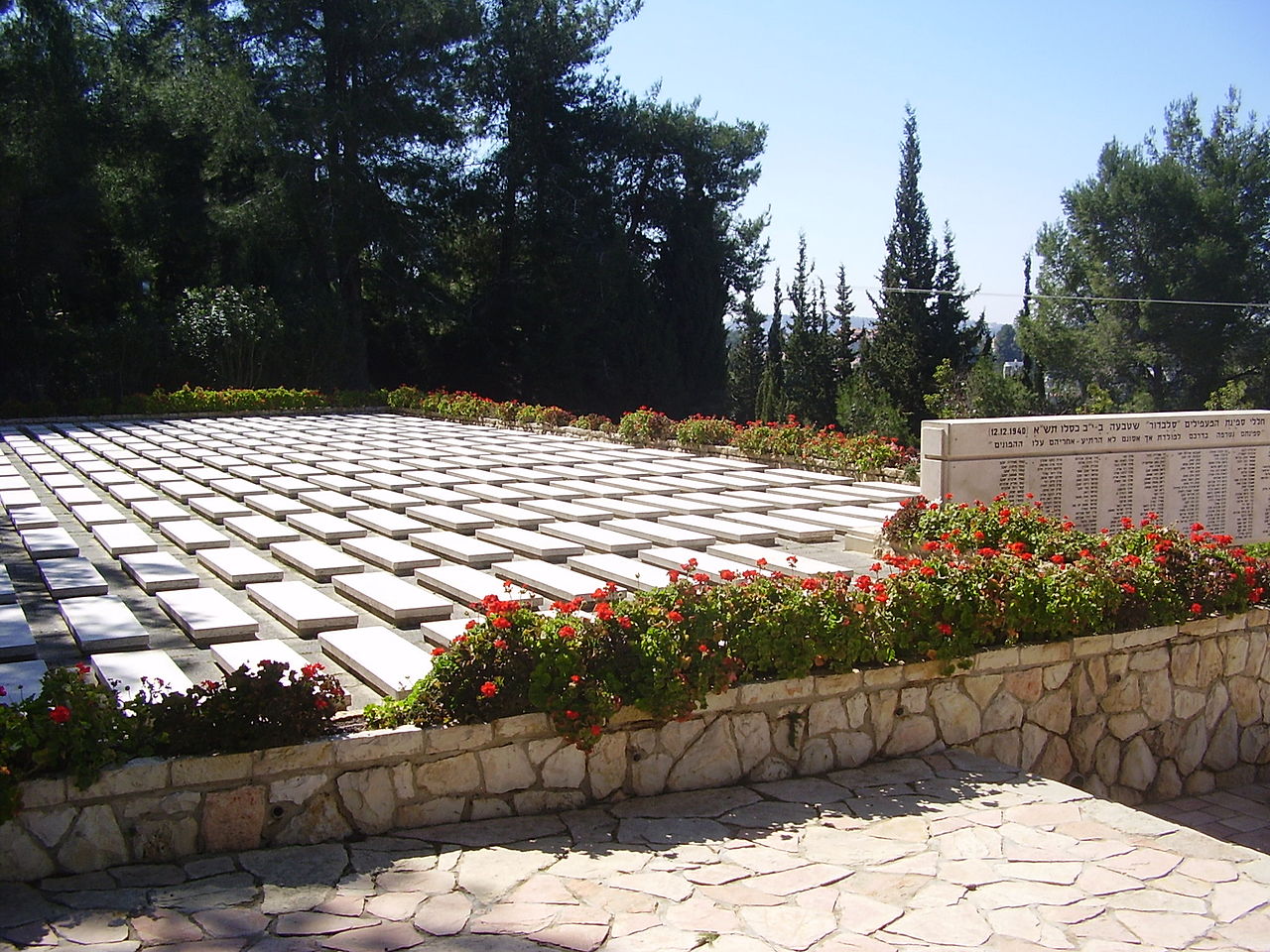
Aliyah Bet had significant political and human consequences. Its operations underscored the plight of Jewish refugees, influenced international opinion, and contributed to pressure on Britain that factored into the postwar decisions about Palestine. Memorials and museums preserve the history: a national burial for those lost at sea is at the National Civil Cemetery of the State of Israel located on Mount Herzl, while other graves are in the Carmel Beach cemetery in Haifa. The history is interpreted at the Atlit detainee camp museum and commemorated in public spaces such as the London Garden in Tel Aviv. Further reading and archival materials are available through specialized historical collections and institutions that document Jewish refugee movements and the struggle for a Jewish homeland.
For terminology, legal background and primary accounts, researchers can consult Hebrew-language sources and survivor testimonies; many contemporary exhibits and publications also include detailed lists of voyages, passenger manifests, and personal stories that illustrate the risks and determination of those involved in Aliyah Bet. The subject remains a key chapter in the history of Zionism, refugee rescue, and the founding period of the State of Israel.
Additional references and explanatory materials (Hebrew and other languages) are available online and in archives for readers who wish to explore individual voyages, the organizations behind them, and the broader diplomatic context surrounding mid-20th-century migration to Palestine. See related entries and resources linked from institutional pages and museum sites for deeper study: immigration accounts, Mandate-era documents.
Questions and answers
Q: What is Aliyah Bet?
A: Aliyah Bet is the name of the illegal immigration by Jews to the British Mandate of Palestine between 1934 and 1948.
Q: What is Ha'apala?
A: Ha'apala is another name for Aliyah Bet, which means ascension in Hebrew.
Q: How many people tried to illegally enter Palestine during Aliyah Bet?
A: Over 100,000 people tried to illegally enter Palestine.
Q: How many voyages were made during Aliyah Bet?
A: There were 142 voyages made by 120 ships during Aliyah Bet.
Q: How many people drowned at sea during Aliyah Bet?
A: Over 1,600 people drowned at sea during Aliyah Bet.
Q: Where is the national burial site for those who drowned in the sea during Aliyah Bet?
A: The national burial site for those who drowned in the sea during Aliyah Bet is in the National Civil Cemetery of the State of Israel in Mount Herzl.
Q: Where is the museum of the history of Aliyah Bet located?
A: The museum of the history of Aliyah Bet is located in Atlit detainee camp.
Related articles
Author
AlegsaOnline.com Aliyah Bet (Ha'apala): Clandestine Jewish Immigration to Palestine, 1934–1948 Leandro Alegsa
URL: https://en.alegsaonline.com/art/2656