
Pietro Metastasio: Italian poet and leading 18th‑century librettist
Pietro Metastasio (1698–1782) was an Italian poet and the preeminent librettist of opera seria, whose texts were set by hundreds of composers and shaped court opera in Vienna and across Europe.
Overview
Pietro Metastasio was the pen name of Pietro Antonio Domenico Bonaventura Trapassi (3 January 1698 – 12 April 1782). Born in Rome, he became famous as an Italian poet and librettist whose career was largely centered at the Habsburg court in Vienna. For many years he served as poet laureate to the Holy Roman Emperor, and his work had a lasting effect on the development of operas across Italy and the rest of Europe.
Image gallery
5 Images



Style and structure of his libretti
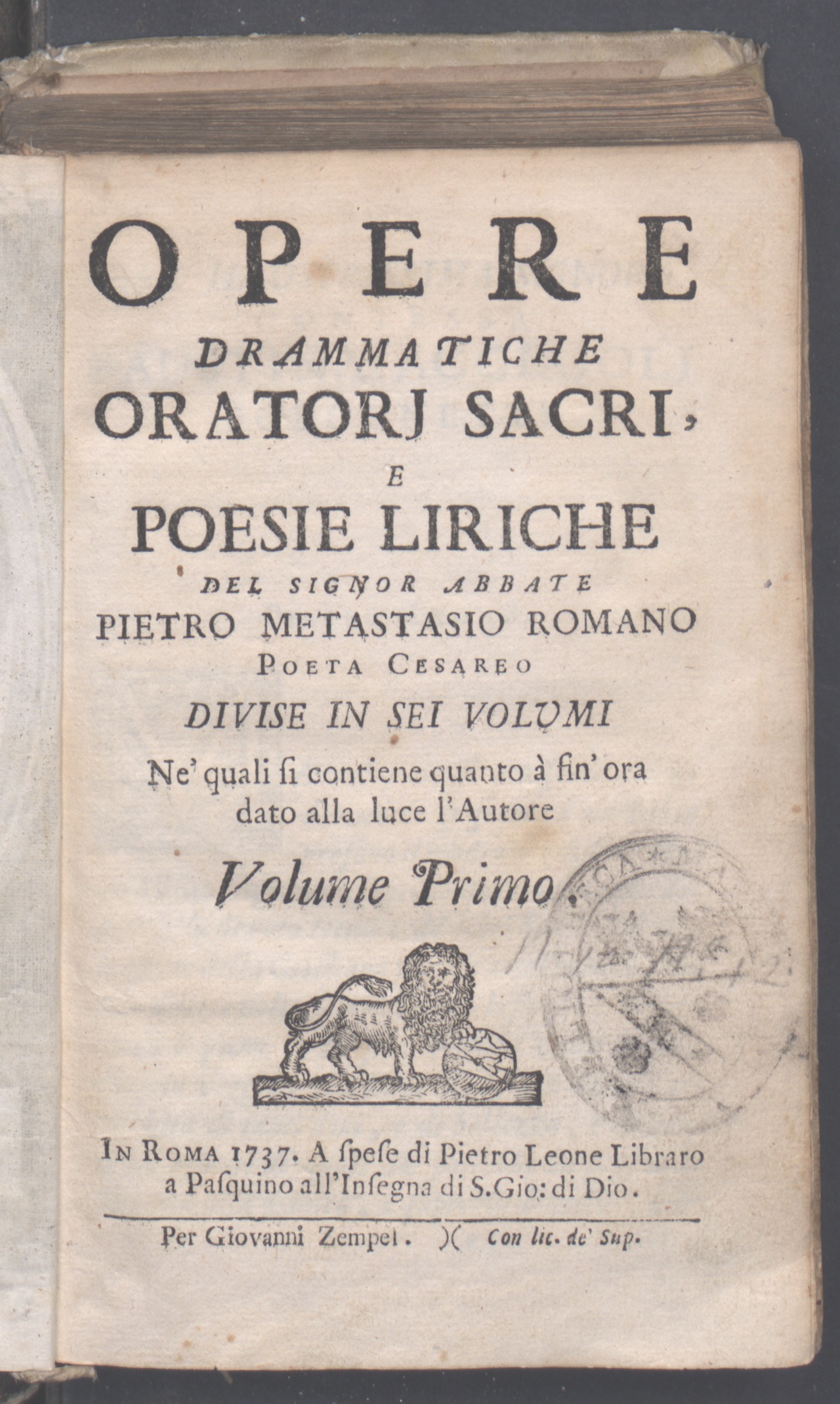
Metastasio's librettos are closely associated with the opera seria tradition: they balance lofty classical subjects, moral dilemmas and noble passion with a clear dramatic structure. He favored articulated scenes built of recitative and da capo aria, aiming to showcase singers' virtuosity while preserving poetic elegance. The texts were written to be set to music and published as independent poetic works; these librettos could be adapted, abridged or reset by composers for decades after their first appearance.
Career and influence
After moving from Rome to Vienna, Metastasio became a central figure at court. His position gave him influence over musical life and a readership throughout Europe. Generations of composers drew on his plots and verses: in total, well over 800 operatic settings use his texts. A single libretto might receive dozens of different musical treatments, making his output a shared repertory for Italian and German-speaking theatres alike. He also wrote sacred poems and occasional verse for court ceremonies.
Notable qualities and examples
- Clear dramatic situations that emphasize moral choice and reconciliation.
- Elegant, polished verse suited for musical declamation.
- Flexibility: libretti were circulated, translated and reset across Europe, helping standardize opera seria conventions.
Legacy and historical perspective
Metastasio remained the model of eighteenth-century librettism even as tastes changed late in the century. Critics and reformers later argued for greater dramatic realism and fewer rigid formal constraints, which reduced the dominance of his style in new compositions. Nevertheless, his influence is evident in the repertoire of court theatres and in the many composers who set his texts. Metastasio's choice of a classical-sounding pen name reflects a wider eighteenth-century habit of adopting learned pseudonyms to present literary work in a timeless, cultivated guise.
His body of work illustrates how poetry and music collaborated in the Baroque and early Classical eras: the librettos functioned both as performing texts for operas and as readable poems, and they contributed to an international operatic culture that crossed linguistic and political boundaries. Scholars and performers continue to study his texts to understand eighteenth-century taste, theatrical practice and the interactions between poets and composers across Europe.
For further reading on his life, texts and performance history see general reference overviews and dedicated studies linked from major libraries and music collections: biographical guides, national catalogues, and digital archives of eighteenth-century opera manuscripts and prints. Resources held in Viennese archives document his long association with the court household and explain how his role as a court poet (laureate) shaped both ceremonial and dramatic poetry. The relationship between his texts and the imperial musical establishment shows the close ties between politics and the arts in the eighteenth century, while collections of his librettos illustrate their adaptability and broad appeal across cultures.
Readers interested in performance practice should explore how different settings of the same opera plot reflect changing musical tastes, and how prominent composers reinterpreted Metastasio's verse to fit new voices and theatrical conventions.
Questions and answers
Q: Who was Pietro Metastasio?
A: Pietro Metastasio was an Italian poet who lived from 1698 to 1782.
Q: What was Pietro Metastasio's real name?
A: Pietro Metastasio's real name was Pietro Antonio Domenico Bonaventura Trapassi.
Q: Where was Pietro Metastasio born?
A: Pietro Metastasio was born in Rome.
Q: Where did Pietro Metastasio die?
A: Pietro Metastasio died in Vienna.
Q: What was Pietro Metastasio's profession?
A: Pietro Metastasio was a poet and for many years he was the poet laureate for the Holy Roman Emperor in Vienna.
Q: What is Pietro Metastasio most famous for?
A: Pietro Metastasio is most famous for his librettos (the story and words) for operas. Many composers used them for their operas. More than 800 operas have a libretto by Metastasio.
Q: How many operas have a libretto by Pietro Metastasio?
A: More than 800 operas have a libretto by Pietro Metastasio.
Author
AlegsaOnline.com Pietro Metastasio: Italian poet and leading 18th‑century librettist Leandro Alegsa
URL: https://en.alegsaonline.com/art/128783