
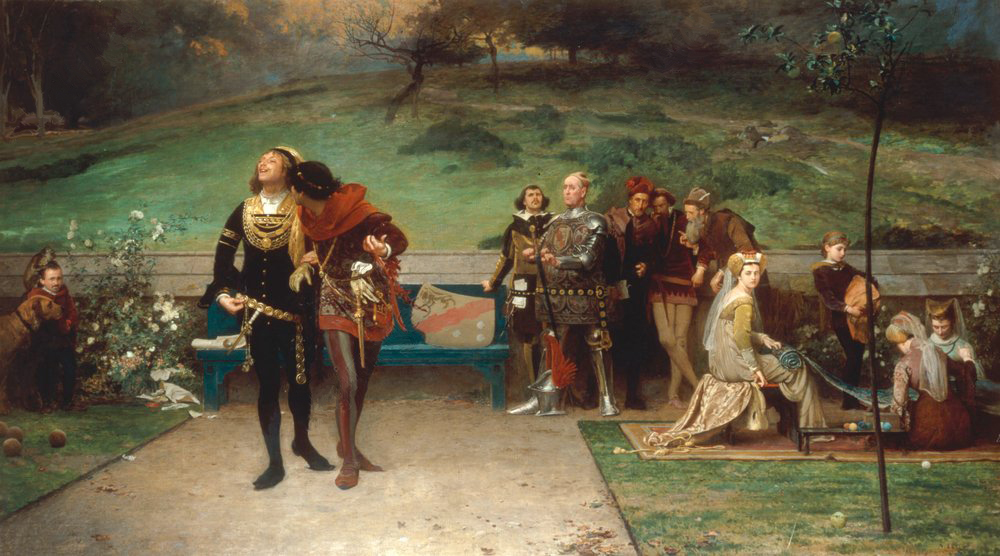
Piers Gaveston, favourite of King Edward II
Piers Gaveston (c.1284–1312) was a close companion and political favourite of King Edward II of England whose rapid rise and rivalry with the nobility led to exile, civil conflict and his execution.
Overview
Piers Gaveston (c.1284–19 June 1312) was a Gascon knight who became the closest companion and political favourite of the future King Edward II. After Edward's accession in 1307, Gaveston received honours and influence far beyond what many of the English magnates thought appropriate. His favour with the king provoked resentment among leading barons and contributed to a political crisis that culminated in Gaveston's capture and execution in 1312.
Image gallery
7 Images




Rise and position
Gaveston's background was comparatively modest for a royal favourite: he was of Gascon origin and entered the household of Edward while the prince was still young. When Edward became king his attachment to Gaveston resulted in gifts, offices and the creation of the earldom of Cornwall. He also married into an important English family, taking Margaret de Clare, a relation of the royal family, which amplified perceptions that he was receiving undue preferment.
Opposition and conflict
Many barons objected to Gaveston's influence and the manner in which he was seen to mock or displace established noble interests. Rival magnates, notably the Earl of Lancaster and others, forced the king in 1311 to accept a set of limitations known as the Ordinances that aimed to curb royal favourites and reform governance. Gaveston was exiled more than once, but he returned to England, provoking open hostility. Tensions escalated into armed conflict and baronial action in 1312.
Capture and death
In June 1312 Gaveston was seized by a group of barons and their followers. Without a regular judicial process he was put to death on 19 June 1312. The manner of his execution — summary and violent — shocked contemporaries and intensified the rupture between the king and much of the nobility. His death remains one of the starkest episodes of early 14th-century English political violence.
Legacy and interpretation
Contemporaries and later chroniclers remarked on the intimacy between Gaveston and Edward, and many contemporaries assumed a sexual relationship; modern historians debate the precise nature of their bond and treat evidence with caution. Gaveston's life and fate illustrate problems of royal patronage, factional rivalry and governance during Edward II's reign. His figure has remained a potent symbol of controversy over kingship and favoritism.
Cultural depictions and further reading
Piers Gaveston appears as a central character in Christopher Marlowe's tragedy Edward II, which emphasizes personal and political dimensions of his relationship with the king. For narrative accounts and analysis of the period's politics, see general studies of Edward II's reign and of the baronial opposition that led to civil unrest and the events described in contemporary chronicles and later histories civil war overviews and scholarly resources on Marlowe and dramatizations or primary-document collections relating to Edward II.
- Key dates: c.1284 (birth), 1307 (Edward II becomes king), 1311 (Ordinances), 19 June 1312 (Gaveston's death).
- Notable fact: His elevation and marriage into royal circles intensified noble fears of favoritism and loss of traditional influence.
Author
AlegsaOnline.com Piers Gaveston, favourite of King Edward II Leandro Alegsa
URL: https://en.alegsaonline.com/art/128776