
Philip Johnson — Architect, Curator, and Shaper of Modern and Postmodern Architecture
Philip Johnson (1906–2005) was an American architect and curator who promoted modernism at MoMA, designed landmark works from the Glass House to the AT&T Building, and received the inaugural Pritzker Prize.
Philip Cortelyou Johnson (July 8, 1906 – January 25, 2005) was an American architect and curator whose career and public presence shaped debates about twentieth‑century architecture. Born in Cleveland, Ohio, and raised in Tarrytown, New York, he studied at Harvard University, where he developed an early interest in art, design, and the emerging international currents of modern architecture. Over many decades Johnson alternated roles as critic, curator and practitioner, helping to introduce European modernism to American audiences and later becoming one of the best known proponents of postmodern historicism.
Image gallery
10 Images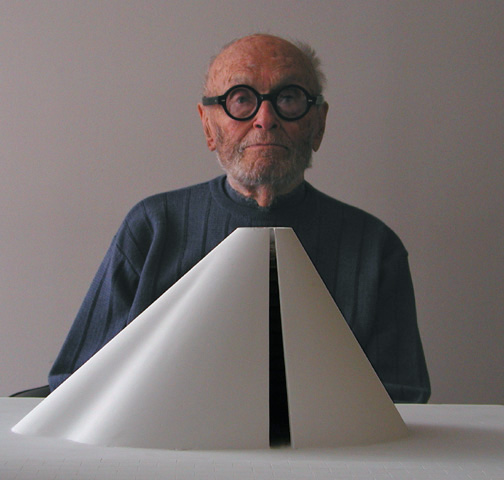


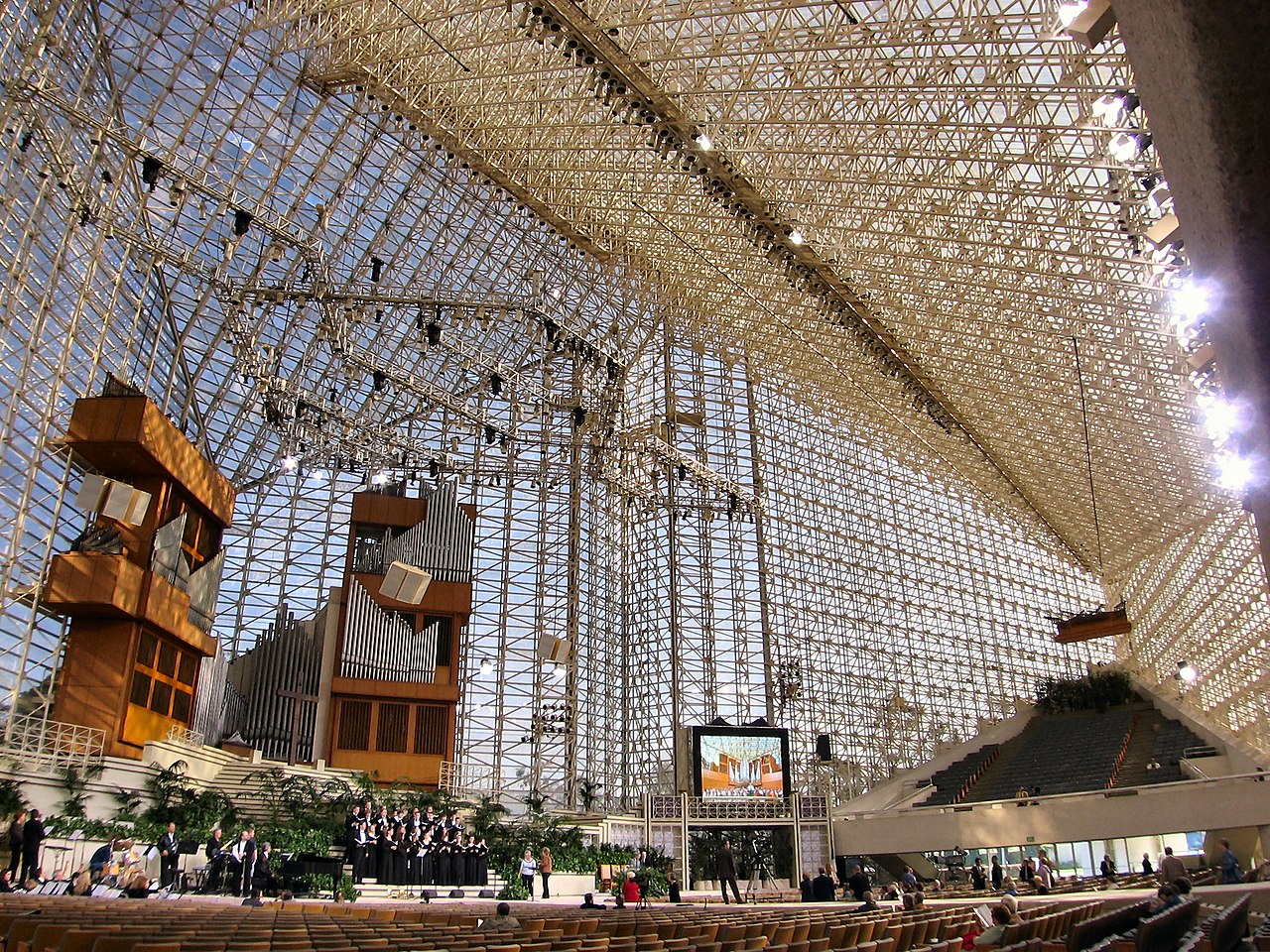

MoMA, the International Style, and curatorial influence
In 1930 Johnson founded the Department of Architecture and Design at the Museum of Modern Art in New York, and helped organize influential exhibitions in the early 1930s that presented modern architecture as an international movement. His writing and curatorial activity brought attention to new ideas about functional planning, industrial materials and clarity of form, and helped establish the intellectual framework that critics later called the International Style. Through lectures, essays and exhibitions Johnson became a central taste‑maker for architects, clients and the wider public.
Built work: from the Glass House to postmodern landmarks
Johnson’s own architecture evolved considerably. His best known early commission, the Glass House in New Canaan, Connecticut, is a spare, single‑story pavilion of glass and steel set in a landscape; it remains an icon of mid‑century domestic modernism and a carefully composed study of transparency, reflection and site. In later decades, often in partnership with John Burgee, Johnson embraced a different set of strategies that drew on historical forms, symbolic ornament and a theatrical approach to civic and corporate buildings. The design for 550 Madison Avenue (originally the AT&T Building) in New York, with its prominent broken pediment and monumental top, signaled a confident turn toward postmodern reference and helped make such approaches visible on an international stage. Other large commissions from this period explored towers, plazas and glazed, decorative forms for corporate clients.
Style, methods and critical reception
Johnson moved fluidly between stylistic positions. His early work shared modernism’s interest in economy of form and structural clarity; his later work reused historical motifs, classical proportions and overt symbolism to communicate corporate identity and public meaning. This stylistic flexibility made him a polarizing figure: many praised his inventiveness and theatrical sense of composition, while others criticized his apparent reversals and the sometimes commercial character of late‑career projects. Whatever the judgment, Johnson’s ability to reinvent his approach kept him at the center of architectural conversation for decades.
Awards, associations and controversies
Johnson’s career won significant recognition. He received the American Institute of Architects Gold Medal in 1978 and was the first recipient of the Pritzker Architecture Prize in 1979. At the same time, aspects of his biography provoked ongoing debate: his political sympathies and social affiliations in the 1930s drew later criticism and complicated his public reputation. Scholars and commentators have continued to reassess his life and work in light of both his intellectual influence and those controversies.
Later life, legacy and the Glass House
Johnson remained professionally active into old age and maintained his Glass House property as a center for collecting, hospitality and reflection on art and architecture. He died in his sleep at the Glass House in New Canaan, Connecticut in 2005 and was survived by his longtime partner, the curator David Whitney. His legacy is complex: he is remembered as a curator who helped shape the reception of modernism in the United States, and as a designer who repeatedly altered his own practice, leaving a body of work that continues to provoke debate about modernism, historicism, taste and the cultural role of architecture.
Selected themes in Johnson’s career
- Curation as practice: shaping public understanding of architecture through exhibitions and writing.
- Formal reinvention: a trajectory from glass‑pavilion modernism to historically referential postmodern buildings.
- Public and private life: prominence as a public figure and the controversies that informed later reassessments.
- Institutional impact: an outsized influence on museums, clients and the architecture profession across the twentieth century.
Author
AlegsaOnline.com Philip Johnson — Architect, Curator, and Shaper of Modern and Postmodern Architecture Leandro Alegsa
URL: https://en.alegsaonline.com/art/128681