
Bond County, Illinois
Rural county in southwestern Illinois with Greenville as the county seat. Known for agriculture, small towns, local institutions and historic sites dating to early Illinois statehood.
Overview
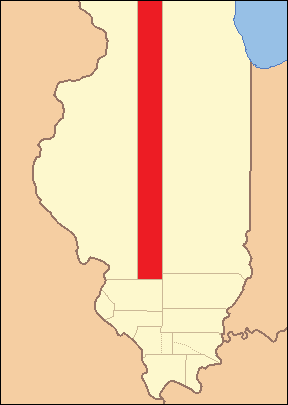
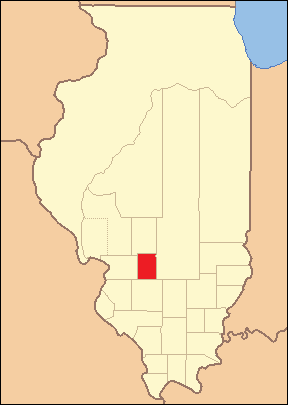
Bond County is a small, predominantly rural county in the U.S. state of Illinois. The county was organized in the early years of Illinois statehood and is named for Shadrach Bond, the first governor of the state. As recorded in the 2010 census, the population was 17,768. The center of local government and commerce is Greenville, which serves as the county seat and local service hub.
Image gallery
5 Images


History
Settlement in Bond County followed the patterns common to this part of Illinois: early farms, market towns and transportation routes that linked rural producers to larger markets. Local history includes town founders, historic buildings, and 19th-century civic institutions. Many communities preserve landmarks and organize annual events that reflect the county's heritage.
Geography and land use
Bond County's landscape is characterized by gently rolling farmland, woodlots and small streams. Row crops and livestock agriculture dominate land use, while towns and villages provide residential, retail and civic functions. The county lies within the interior plains of the state, and its natural and cultural features are typical of central and southern Illinois.
Communities
In addition to Greenville, other incorporated places and unincorporated communities include Mulberry Grove, Sorento, Pocahontas and Donnellson. These towns host schools, churches, small businesses and community organizations that sustain local life.
Economy and institutions
The local economy centers on agriculture, agribusiness support, light manufacturing and services. Public institutions—county government, school districts and local health and emergency services—play a large role in employment and community stability. Civic groups, volunteer organizations and cultural activities contribute to social cohesion.
Government and services
Bond County is governed by elected officials and a county board responsible for roads, public records and budgeting. The county courthouse and administrative offices in Greenville provide access to courts, records and elections. Transportation infrastructure includes regional highways and local roads that link farms and towns.
Points of interest
Visitors and residents can explore historic downtown districts, parks, community festivals and local museums. Preservation of historic buildings, public events and agricultural fairs are common ways the county celebrates its past and supports tourism and community identity.
For official information, services and updates consult county resources and state references linked in this summary. Local chambers of commerce, historical societies and school districts offer further details about community programs and events.
Tags
Related articles
Author
AlegsaOnline.com Bond County, Illinois Leandro Alegsa
URL: https://en.alegsaonline.com/art/12859