
Paul Tsongas: Massachusetts senator, congressman, and 1992 presidential contender
Paul Tsongas (1941–1997) was a Massachusetts politician who served in the U.S. House and Senate, ran for the 1992 Democratic presidential nomination, advocated fiscal responsibility, and co‑founded the Concord Coalition.
Overview
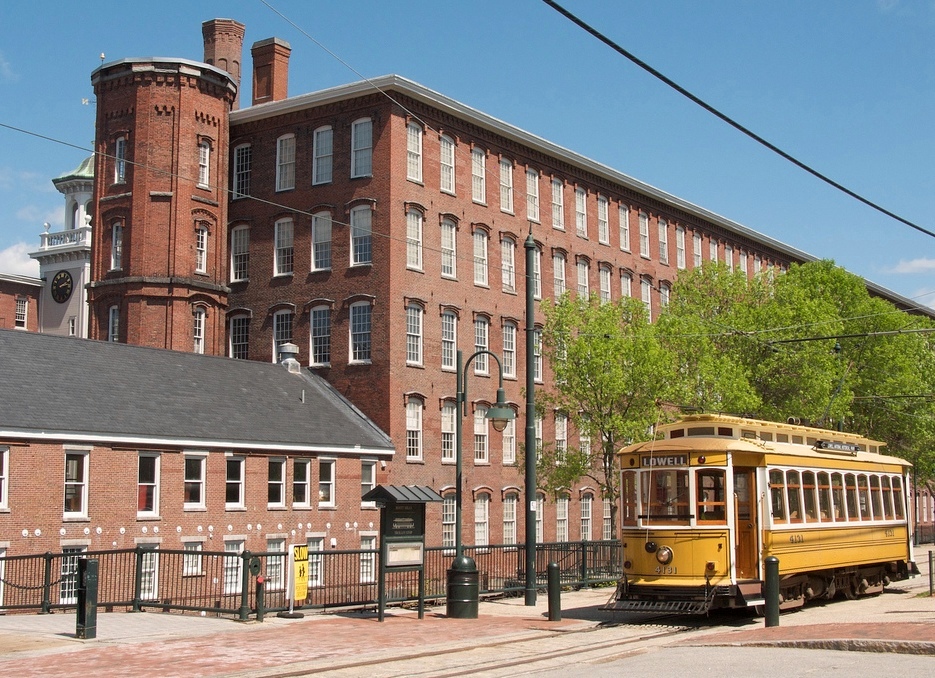
Paul Efthemios Tsongas (February 14, 1941 – January 18, 1997) was an American politician known for combining moderate Democratic views with a strong emphasis on fiscal responsibility. A native of Lowell, he represented Massachusetts in both the United States House of Representatives (House) and the United States Senate (Senate) during the 1970s and early 1980s. After leaving the Senate, he returned to national politics as a candidate in the 1992 presidential primaries, competing for the Democratic nomination.
Image gallery
10 Images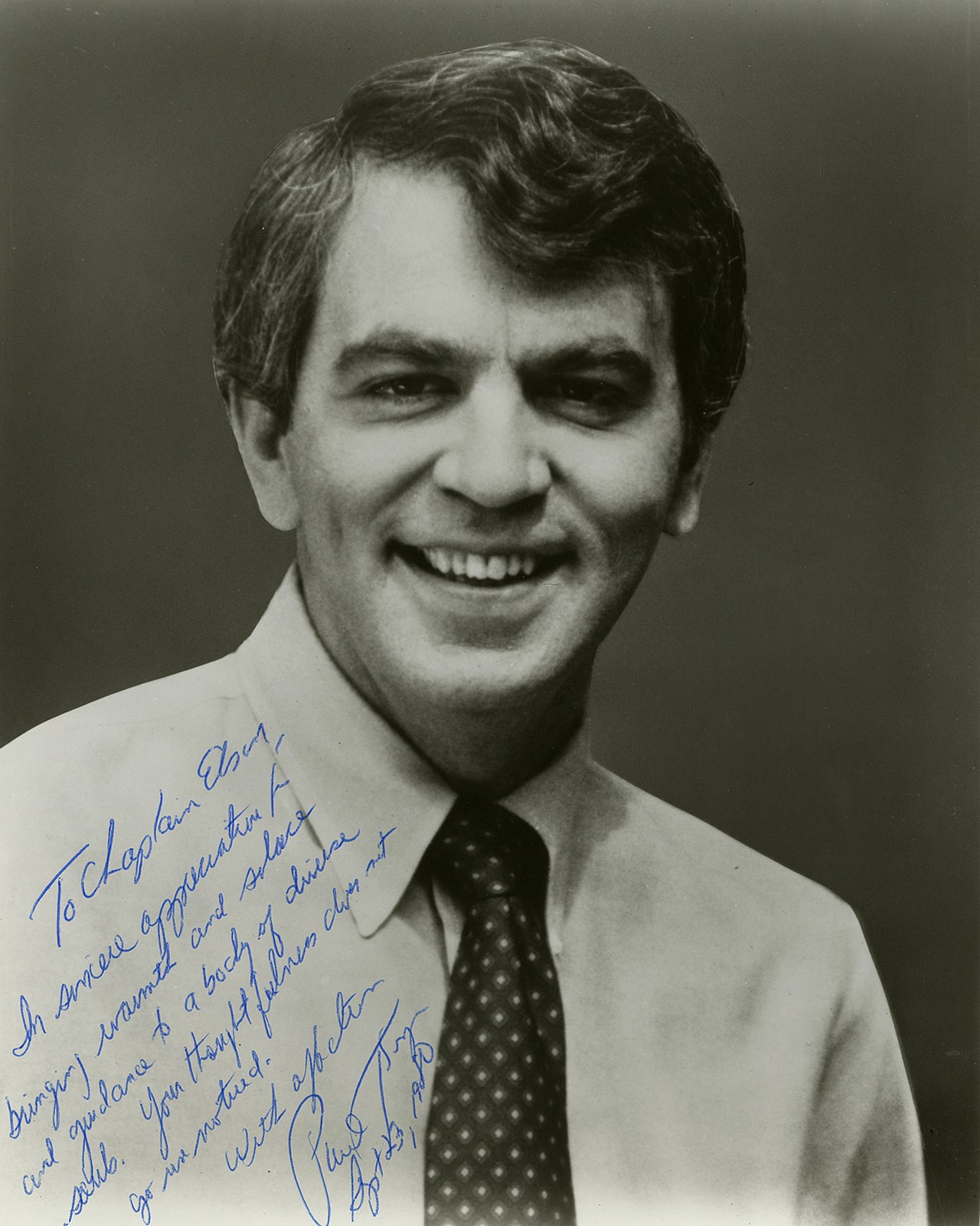




Early life and education
Raised in a manufacturing city in northeastern Massachusetts, Tsongas came from a family of Greek descent and was shaped by the region's industrial and immigrant communities. He completed his college education and later pursued legal studies, preparing him for work in public service and elected office. His New England upbringing and small‑town roots remained a touchstone during his political career.
Political career and positions
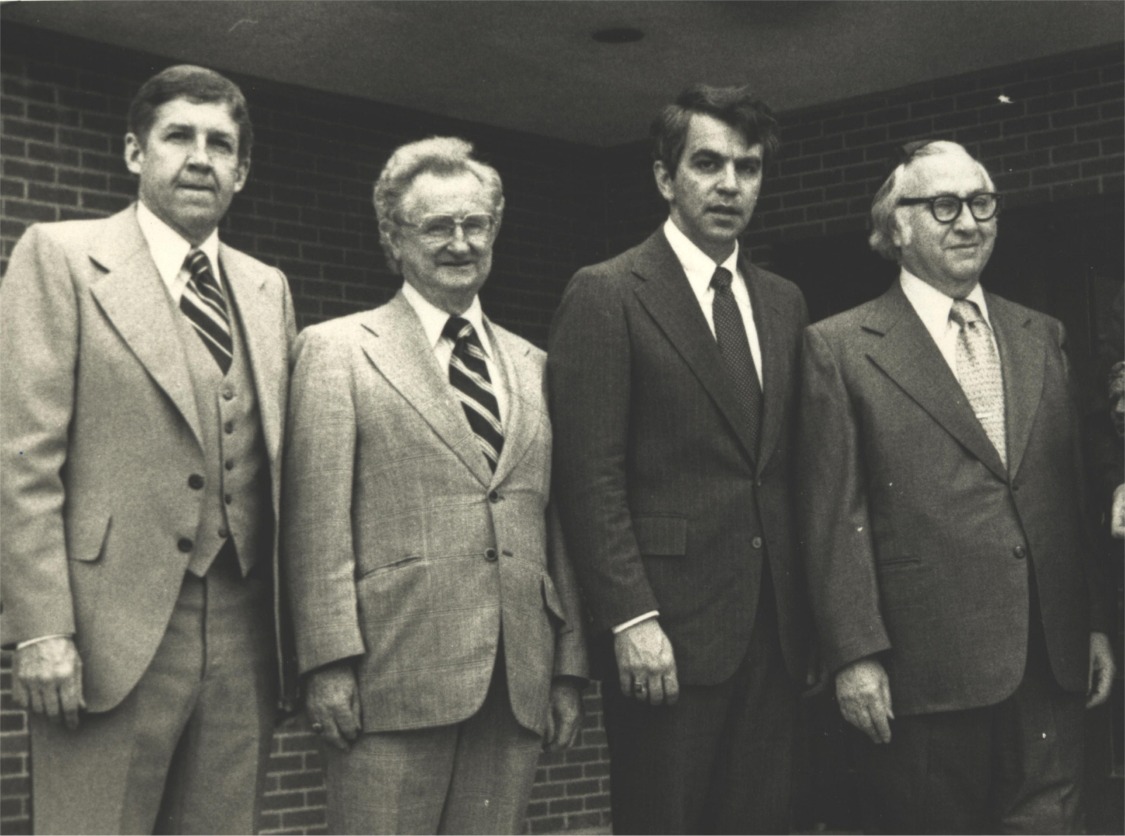
Tsongas was first elected to the federal legislature in the mid‑1970s and served through the early 1980s. He built a reputation as a pragmatic, policy‑oriented lawmaker who emphasized economic stewardship, government reform, and pragmatic social policy. Concerned about growing budget deficits, he became identified with efforts to promote fiscal restraint and long‑term economic planning.
- Legislative service: Served in both chambers of Congress, representing Massachusetts at the national level.
- Policy focus: Fiscal responsibility, economic development, and prudent government spending.
- Political style: Moderate Democrat, willing to work across party lines on budget and governance issues.
Health, 1992 campaign, and later work
In 1983 Tsongas was diagnosed with non‑Hodgkin lymphoma, a serious illness that influenced his decision to step away from the Senate in 1984. After a successful bone marrow transplant and recovery, he returned to public life and mounted a presidential bid in 1991–1992. His campaign emphasized fiscal discipline and generational responsibility; he scored an important victory in the New Hampshire primary but ultimately withdrew and endorsed Bill Clinton, the eventual Democratic nominee.
Legacy and notable facts
Following his presidential run, Tsongas helped found the Concord Coalition, a nonpartisan organization advocating for balanced budgets and long‑term fiscal planning. His voice helped introduce the language of deficit reduction into mainstream Democratic debates in the early 1990s. He died in Lowell on January 18, 1997, of complications related to pneumonia and his earlier cancer diagnosis.
Tsongas is remembered for blending progressive goals with a persistent concern for fiscal limits, and for shaping policy conversations about government solvency and intergenerational fairness. His career illustrates the impact a regional politician can have on national themes and party priorities.
For further reading on aspects of his career, campaigns, and post‑senatorial activism, consult archival profiles and historical overviews of the 1992 election and fiscal policy movements of the late 20th century (Massachusetts, House, Senate, 1992, Democratic, Bill Clinton, non‑Hodgkin lymphoma, Lowell, pneumonia).
Author
AlegsaOnline.com Paul Tsongas: Massachusetts senator, congressman, and 1992 presidential contender Leandro Alegsa
URL: https://en.alegsaonline.com/art/128361