
Paul Keating: Australian Prime Minister and Architect of Economic Reform
Paul Keating (born 1944) served as Australia’s 24th Prime Minister (Labor). A former treasurer, he led major economic liberalisation, promoted engagement with Asia, and advanced Indigenous reconciliation and republicanism.
Paul John Keating (born 18 January 1944) is an Australian political figure best known for serving as the nation’s 24th Prime Minister and as a long-serving senior minister in the Australian Labor Party (Labor). He rose from working‑class roots in Sydney’s suburbs to senior cabinet roles and became a polarising but influential voice on economic policy, international engagement and national identity. Keating combined a reputation for sharp rhetoric with a record of substantive policy change during the 1980s and early 1990s.
Image gallery
10 Images

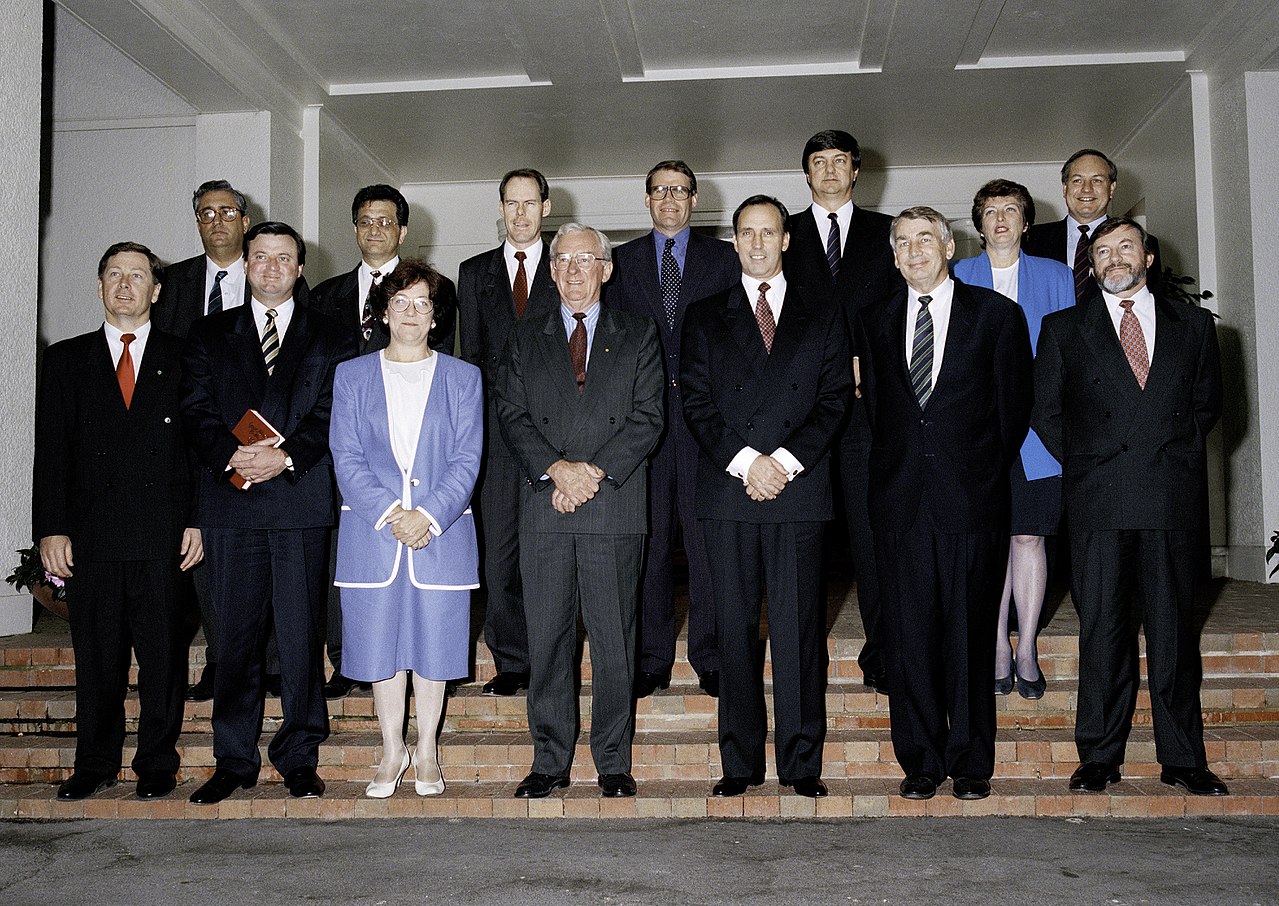

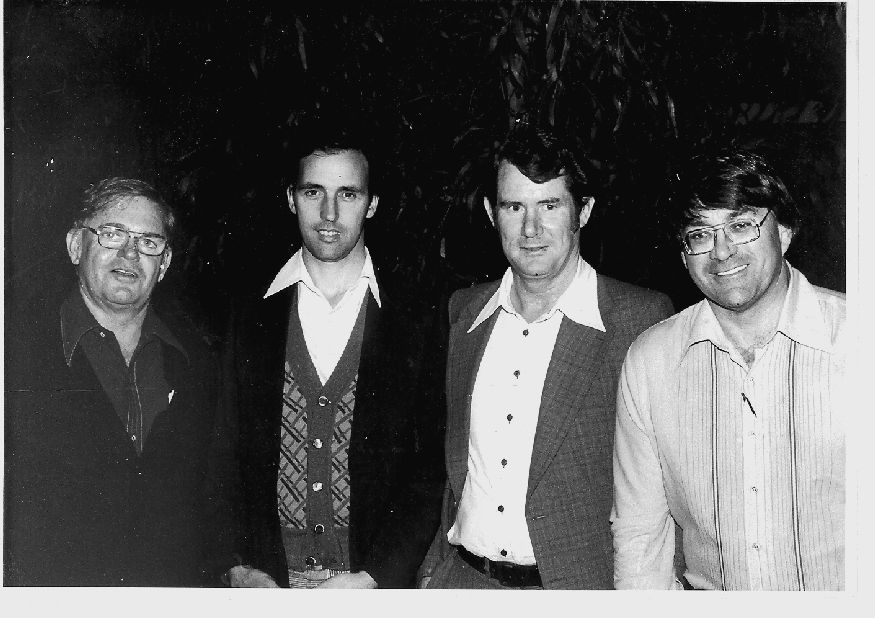





Early life and political rise
Keating grew up in the Sydney suburb of Bankstown. He left formal schooling as a teenager and entered the workforce, holding clerical jobs while continuing informal education and community activity. In the 1960s and 1970s he became active in Labor politics, winning a seat in federal parliament and building a profile for his debating skill and policy interest. In 1975 he married Annita van Iersel; the couple later separated in 1998. He was appointed Treasurer in 1983 and served in that role through most of the 1980s and into 1991, and he was Deputy Prime Minister for a period before challenging the incumbent party leader.
Economic reform and policy
As Treasurer Keating played a leading role in a program of economic modernisation that changed how the Australian economy operated. Working with his government colleagues, he supported measures to open and deregulate markets, encourage competition and integrate Australia more closely with international capital flows. The period included a shift toward market-based policy tools and institutional changes designed to foster efficiency and growth.
- Financial liberalisation, including steps to open capital markets and deepen financial services.
- Trade and tariff reductions to promote competition and export orientation.
- Reforms to workplace relations and encouragement of enterprise bargaining.
- Development of compulsory superannuation arrangements and pension reform to improve retirement savings.
These reforms helped move Australia away from a more protected, centrally managed economy toward one that was more market-driven. The adjustments coincided with a severe economic downturn in the early 1990s; commentators often refer to that period as a deep recession and debate continues about the timing and social effects of the transition.
Prime ministership, international relations and national issues
In late 1991 Keating challenged and succeeded in replacing Bob Hawke as Labor leader and Prime Minister (Bob Hawke). He led Labor to victory at the 1993 election but his government was defeated in 1996 by John Howard (John Howard), ending his prime ministership. As Prime Minister Keating emphasised stronger ties with the nations of the Asia–Pacific, supporting greater economic and diplomatic engagement with regional partners and international fora such as APEC and other multilateral groupings (Asia).
Domestically, Keating was an outspoken advocate for an Australian republic and for reconciliation with Indigenous Australians. He delivered high‑profile speeches recognising historical injustices suffered by Indigenous people and sought symbolic and practical steps toward acknowledgement and healing, though a formal national apology would come years later under a different government.
Legacy and notable facts
Paul Keating is remembered for the scale of economic reform associated with his time as Treasurer and for his vivid public persona: a forceful speaker, often combative in debate, and a clear proponent of reorienting Australia toward the Asia–Pacific. His policies reshaped several sectors of the economy and left a mixed political legacy—widely praised by many economists and business leaders for modernisation, while criticised by others for social costs during the period of adjustment.
After leaving office Keating remained an active commentator on public affairs and continued to influence discussions about economic policy, national identity and Australia's regional role. For further contextual reading on his life and career see political biographies and retrospectives that assess both the achievements and controversies of his time in public office.
Prime Minister | Labor Party | Bob Hawke | John Howard | recession | Asia engagement
Author
AlegsaOnline.com Paul Keating: Australian Prime Minister and Architect of Economic Reform Leandro Alegsa
URL: https://en.alegsaonline.com/art/128294