
Pat Robertson (1930–2023): American televangelist, broadcaster and political figure
Profile of Marion 'Pat' Robertson, founder of major Christian media and institutions, long-time host of The 700 Club, 1988 presidential candidate, and a controversial voice in American religious and political life.
Overview
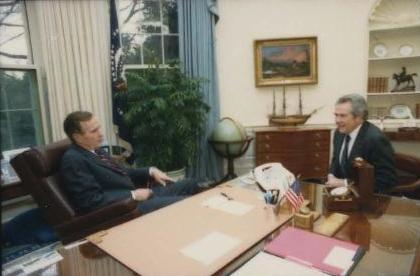
Marion Gordon "Pat" Robertson (born March 22, 1930 — died June 8, 2023) was an American evangelist and media figure best known for hosting The 700 Club, a long-running Christian news and talk program on television. Over a career that spanned several decades he combined religious broadcasting, organizational leadership, political activism and public commentary, becoming one of the most visible representatives of the modern evangelical movement in the United States.
Image gallery
5 Images



Media work and institutions
Robertson founded and led multiple Christian enterprises. He launched and expanded a broadcasting network that carried religious programming nationwide, and he established a university and humanitarian initiatives that remain active in various forms. These institutions emphasized conservative Christian teaching, ministry training and international relief work. Key projects associated with his name include:
- National broadcast ministry and studio operations
- Higher-education institution for ministry and professional programs
- Humanitarian and relief efforts with an emphasis on disaster response and development
Politics and public campaigns
Robertson took an active role in public life beyond preaching. He sought elected office in the 1980s, mounting a campaign for the Republican nomination for President in 1988. His candidacy drew attention to the growing political engagement of evangelical leaders and helped inspire subsequent conservative organizing. He also supported and helped found conservative civic groups that aimed to increase religious conservatives' participation in politics.
Views and controversies
Throughout his career Robertson voiced strong, often polarizing opinions on social and international matters. Some of his public remarks—particularly suggestions that certain natural disasters were divine judgments—provoked sharp criticism. Notable examples that drew media attention included comments about Hurricane Katrina and the 2010 Haiti earthquake. His statements and political interventions generated debate about the role of religious leaders in public policy and about accountability for rhetoric used by prominent ministers.
Influence and legacy
Robertson's influence is visible in contemporary American evangelicalism: through broadcast media formats, institutional networks, and the model of combining ministry with electoral politics and advocacy. Supporters credit him with expanding Christian broadcasting and charitable work; critics point to controversial pronouncements and the mixing of religion with partisan aims. His career illustrates the complex ways faith, media and politics interact in modern public life.
Further reading
For more context on Robertson’s life, broadcast ministry, political activity and the organizations he shaped, consult biographical summaries, histories of American evangelicalism and analyses of religion-and-politics in the late 20th century.
Author
AlegsaOnline.com Pat Robertson (1930–2023): American televangelist, broadcaster and political figure Leandro Alegsa
URL: https://en.alegsaonline.com/art/128185