
Pat McCrory: Mayor of Charlotte and Governor of North Carolina
Pat McCrory, Republican politician who served 14 years as Charlotte mayor and as North Carolina governor (2013–2017); noted for urban development, pro-business policies, the 2016 HB2 controversy, and later campaigns.
Overview
Patrick Lloyd "Pat" McCrory (born October 17, 1956) is an American politician affiliated with the Republican Party. He served as the 74th governor of North Carolina from 2013 to 2017 and as the 53rd mayor of Charlotte, holding that office for 14 years. His public career spans municipal government, urban economic development and state-level policy debates that attracted national attention. For a concise career overview, see summaries of his municipal and statewide service.
Image gallery
6 Images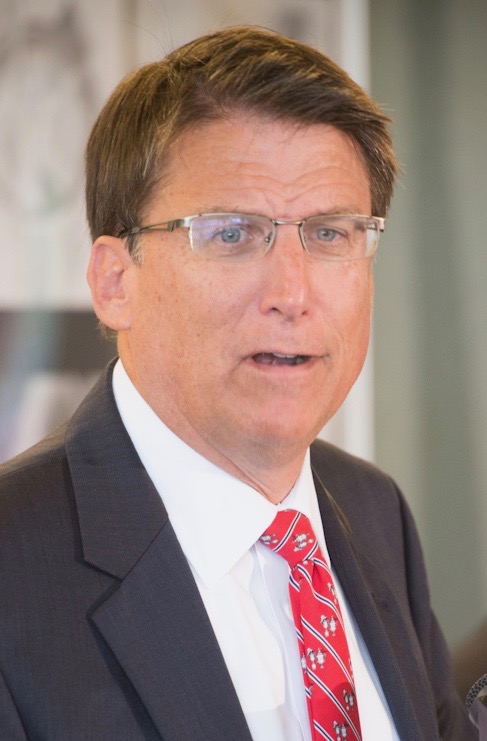


Early local career
McCrory began in Charlotte municipal politics as a city councilman and later became mayor. During his time in local office he emphasized job creation, public-private partnerships and projects intended to raise the city's regional profile. Supporters credit him with helping to expand Charlotte's banking, convention and cultural sectors; critics sometimes argued his approach prioritized development over other community concerns. His rise from city council to mayor reflected a pragmatic, business-oriented style of governance within Charlotte's political landscape.
Mayoral tenure (1995–2009)
As Charlotte's mayor, McCrory presided over a period of sustained growth and increased national visibility for the city. He backed downtown revitalization, transportation improvements and efforts to attract corporate headquarters and conventions. His 14-year tenure made him one of the city's longest-serving mayors and established him as a prominent regional figure in Charlotte politics.
Governorship (2013–2017) and controversies
McCrory won the North Carolina governorship in 2012 and took office in 2013. His administration pursued conservative fiscal policies and business-friendly measures at the state level. During his term he became closely associated with high-profile legislative disputes, including debates over state-level regulatory changes and a 2016 law that prompted national controversy and economic consequences. Those events were a major factor in the 2016 election cycle, when he lost his bid for re-election to Democrat Roy Cooper. Observers attribute the outcome to a combination of policy disputes, public reaction and broader political dynamics in North Carolina.
Later campaigns and public profile
After leaving the governor's office, McCrory remained active in Republican politics. In April 2021 he announced a bid for the United States Senate in the 2022 cycle to succeed retiring Senator Richard Burr. He sought his party's nomination but was defeated in the primary by Ted Budd in May 2022. His campaign and continued public statements kept him visible in state and regional political discussions, and his 2022 run illustrates a common post-governorship trajectory of seeking federal office.
Political positions and legacy
Throughout his career McCrory has been described as a pro-business, fiscally conservative Republican with an emphasis on economic development, infrastructure and municipal partnerships. His supporters highlight urban growth and investment initiatives; critics point to the political and economic fallout from contentious statewide legislation during his governorship. Analysts view his career as reflecting trends in modern Republican municipal and state leadership, where local executive experience often serves as a foundation for higher office ambitions.
Further reading and context
- For biographical details and election records see information on his governorship.
- Context on state politics and policy debates is available in summaries of North Carolina political history.
- Background on Charlotte's municipal changes during his tenure can be found in sources about Charlotte development initiatives.
- Accounts of the 2016 election and subsequent campaigns note his contest with Roy Cooper and his later Senate bid announced at the 2021 announcement.
Note: This article summarizes broadly reported aspects of McCrory's public life, elections and policy positions without exhaustive detail on every legislative action or campaign event.
Author
AlegsaOnline.com Pat McCrory: Mayor of Charlotte and Governor of North Carolina Leandro Alegsa
URL: https://en.alegsaonline.com/art/128178