
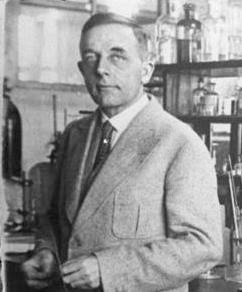
Otto Heinrich Warburg
German physiologist and biochemist (1883–1970), Nobel laureate noted for discoveries about cellular respiration, the respiratory enzyme, and cancer cell metabolism (the “Warburg effect”).
Otto Heinrich Warburg (born 8 October 1883 — died 1 August 1970) was a German physiologist and biochemist renowned for his work on cell respiration. He received the 1931 Nobel Prize in Physiology or Medicine for elucidating the nature and mode of action of the respiratory enzyme, a breakthrough that helped define modern bioenergetics.
Image gallery
5 Images


Major contributions
Warburg studied how cells consume oxygen and how enzymes mediate respiratory processes. His laboratory developed sensitive methods to measure oxygen uptake and acid production in tissues, often associated with the Warburg apparatus. He identified and characterized enzyme systems involved in oxidative phosphorylation and electron transfer, work summarized in his Nobel citation for describing the respiratory enzyme and its function.
- Discovery of respiratory enzyme activity and characterization of oxidases.
- Techniques for measuring cellular respiration, including improvements in manometric methods.
- Studies of cancer metabolism, notably observations that led to what is now called the "Warburg effect".
Warburg observed that many tumor cells rely heavily on glycolysis for energy even when oxygen is present, a metabolic phenotype that influenced later cancer biology and therapeutic research. His hypothesis linked defective respiration to cancer development, a proposal that stimulated decades of experimental follow-up and debate.
Career and legacy
Warburg led research institutes in Germany and trained numerous students who continued work on enzymes and metabolism. He continued his scientific activity through tumultuous periods of the 20th century and remained a central figure in cellular metabolism research. His methods and ideas persist in biochemical education, cancer research, and studies of mitochondrial function.
Notable points about Warburg include his Nobel Prize recognition, the lasting use of his experimental approaches, and the enduring relevance of the Warburg effect in oncology. For overviews and further reading see summaries of his life and work at authoritative sources such as biographical entries and specialized reviews of metabolic physiology (reviews and texts).
Author
AlegsaOnline.com Otto Heinrich Warburg Leandro Alegsa
URL: https://en.alegsaonline.com/art/127987