
Norman Mineta: mayor, U.S. representative and long‑serving transportation secretary
Norman Mineta (1931–2022) was a Japanese American politician: San Jose mayor, U.S. Representative, Commerce Secretary and the longest‑serving U.S. Secretary of Transportation who shaped post‑9/11 security.
Overview
Norman Yoshio Mineta (Japanese name) was an American public servant whose career spanned local government, two decades in Congress and service in two presidential cabinets. Born in 1931, Mineta rose from the experience of wartime Japanese American incarceration to leadership as mayor of San Jose, a long‑time member of the U.S. House of Representatives, and as a cabinet secretary who helped reshape U.S. transportation and aviation security after the attacks of 2001. He was widely regarded for bipartisan, pragmatic problem‑solving and for advancing civil rights and economic opportunity for Asian American communities.
Image gallery
7 Images




Early life and wartime incarceration
Mineta was born to Japanese immigrant parents and, as a child during World War II, was among the Japanese Americans forcibly removed from the West Coast and held in relocation centers. That experience—shared by many families of his generation—shaped his views on civil liberties and public service. After the war he returned to civilian life in California, completed his education, and entered business and local civic affairs, where he began building a reputation for practical, consensus‑oriented leadership.
Local government: San Jose
Mineta served on the San Jose City Council and was later elected mayor, representing a growing and diverse urban region. His municipal years were marked by attention to infrastructure, local economic development and inclusive civic representation. These roles provided the foundation for his transition to national office and gave him direct experience with the transportation and public‑works issues that would become central to his later congressional work.
Congressional service
As a member of the Democratic Party, Mineta was elected to the U.S. House of Representatives, where he served for roughly twenty years. In Congress he served on committees with jurisdiction over transportation, public works and trade, and he often worked across the aisle on infrastructure, technology and economic policy. His legislative record reflected long‑standing interest in improving transportation systems, supporting commerce, and protecting civil rights for minority communities.
Cabinet appointments
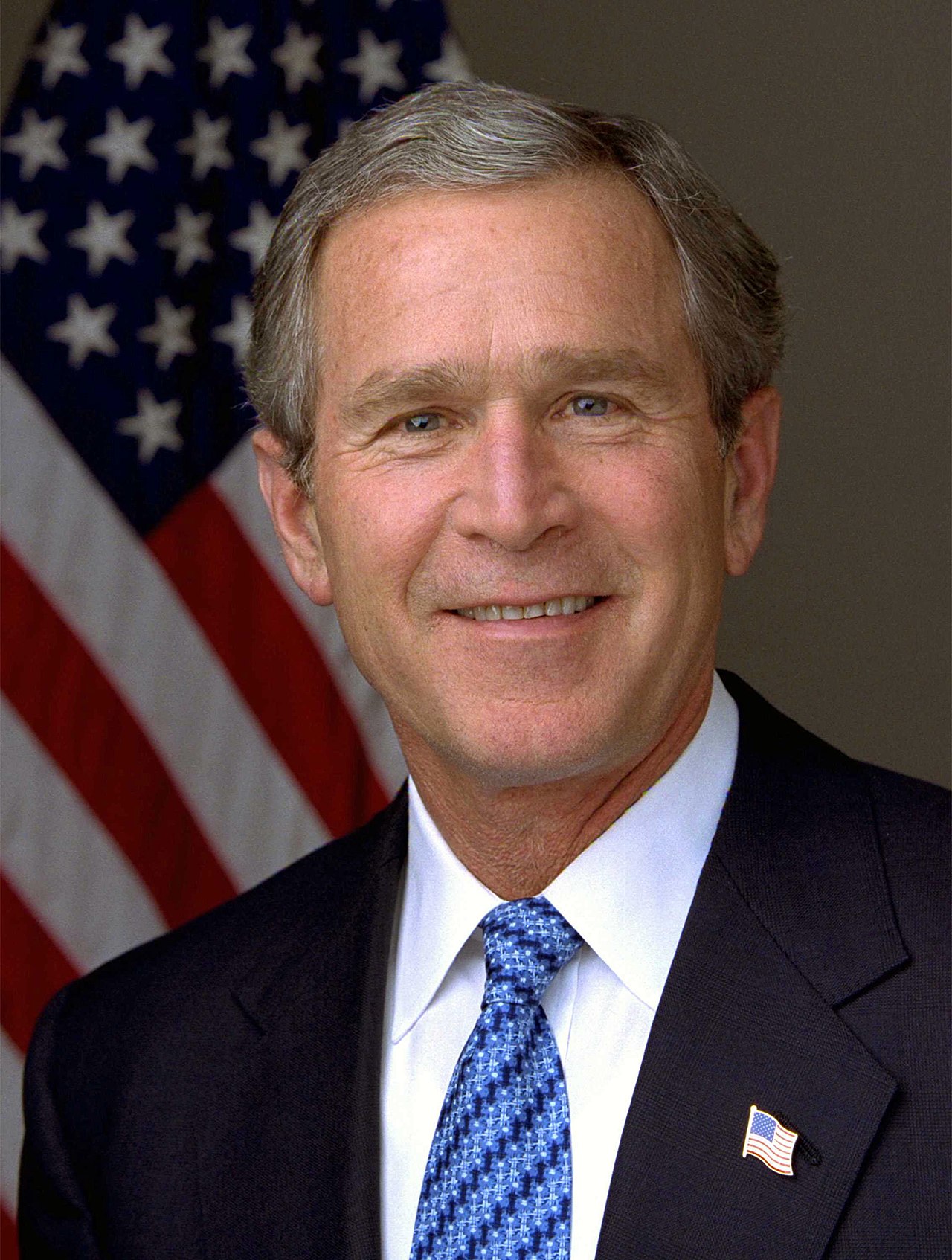
Mineta held two cabinet posts. He briefly served as Secretary of Commerce in the final months of President Bill Clinton's administration (Secretary of Commerce), and he later joined the cabinet of President George W. Bush as Secretary of Transportation, the only Democratic cabinet member in that Republican administration. His combination of congressional experience and municipal perspective made him a central figure on transportation policy at the national level.
September 11, 2001 and transportation security
Mineta was Secretary of Transportation when the September 11 attacks occurred. He oversaw emergency responses in aviation operations and the rapid reorganization of federal responsibilities for transportation security. Working with the president and Congress, the department implemented major reforms, including the creation of the Transportation Security Administration and new federal standards for aviation screening and surface transportation protection. These changes redefined the federal role in securing the transportation network.
Later career and private sector work
After resigning from the cabinet in 2006, Mineta joined private and advisory roles, including work with public relations and energy firms and continued participation on boards and commissions related to transportation and security. He lent his name and expertise to educational and research programs focused on transportation policy and safety, ensuring a continuing institutional legacy in the field.
Legacy and honors
Mineta is remembered for the arc of his life—from wartime injustice to high public office—and for his capacity to work across partisan lines on practical solutions. His name is associated with transportation research and education programs and with efforts to improve safety and infrastructure. He is also cited as an important figure in the history of Asian American political leadership and civic participation.
Timeline and notable facts
- Born November 12, 1931; experienced forced wartime relocation and incarceration as a child.
- Served in San Jose municipal government and as mayor before election to Congress.
- Represented a California district in the U.S. House for about twenty years, focusing on transportation, public works and trade.
- Appointed Secretary of Commerce under Clinton and later Secretary of Transportation under Bush.
- Was the only Democratic member of President Bush's cabinet and led federal transportation policy after the 9/11 attacks, including work that established the TSA.
- After government service he worked with private firms and advisory boards and supported transportation research initiatives.
- Died May 3, 2022 at his home in Maryland from causes related to heart disease. Additional biographical details and context are available in published biographies and government records (biographical overview, cabinet context).
Note: This article summarizes broadly documented aspects of Norman Mineta's public life—municipal leadership, long congressional service, two cabinet posts and the central role he played in shaping U.S. transportation security policy after 2001. For primary documents, official biographies and archival material consult authoritative repositories and government publications.
Author
AlegsaOnline.com Norman Mineta: mayor, U.S. representative and long‑serving transportation secretary Leandro Alegsa
URL: https://en.alegsaonline.com/art/127764