
East Berlin: history, administration and legacy (1949–1990)
East Berlin was the Soviet-sector portion of Berlin from 1949 to 1990. It served as the capital and political center of the German Democratic Republic and was separated from West Berlin by the Berlin Wall.
Overview
East Berlin was the name commonly used for the eastern part of Berlin from the end of World War II until German reunification in 1990. Emerging from the Soviet occupation of the city in 1945, East Berlin became the administrative and symbolic center for the German Democratic Republic (GDR). Although residents and authorities in the GDR generally referred to it simply as "Berlin," the Western Allies viewed the eastern sector through the lens of the city's four-power occupation and treated some claims about sovereignty with diplomatic reservation.
Image gallery
10 Images




Formation and political status
After Germany's defeat in 1945, the city of Berlin was divided into four sectors controlled by the Soviet Union, the United States, the United Kingdom and France. The American, British and French sectors came to be known collectively as West Berlin, while the Soviet sector was commonly called East Berlin. West capitals and governments often described East Berlin as a de facto seat of the East German state rather than a fully sovereign national capital of West Germany or other Western states. The GDR, however, treated East Berlin as its capital and located many government institutions there.
Government, presence and international relations
From its foundation the GDR established ministries, party offices and residences in East Berlin and concentrated central administration in boroughs such as Pankow. Western authorities often protested specific practices—most notably the stationing of the East German military, sometimes called the National People's Army (NPA) in the city—and remained cautious about accepting East Berlin as a normal national capital. During the 1970s a number of Western countries opened diplomatic missions or liaison offices in East Berlin, while avoiding terminology that would imply full recognition of sovereignty. Treaties and statements instead used neutral phrases such as "seat of government" or similar formulations to manage sensitive legal questions.
Division and everyday life
The division of the city hardened when the government of the GDR erected the Berlin Wall on 13 August 1961. For 28 years the Wall separated families, commutes and cultural life between East and West. Inside East Berlin the state promoted planned housing, large public squares, stately administrative buildings and a network of public transport managed by municipal authorities. Economic life and consumer availability differed from western sectors, with shortages and central planning shaping daily choices for housing, work and leisure.
Reunification and legacy
Political changes in the late 1980s, including mass protests and shifts in Soviet policy, led to the fall of the Wall on 9 November 1989 and to formal changes in national status the following year. On 3 October 1990 the two German states were reunited and East Berlin ceased to exist as an administrative entity distinct from the rest of the city; the unified Berlin became Germany's capital in practice and law. The process of integrating infrastructure, property regimes and social systems from the former eastern sector into a single city continued for many years.
Notable distinctions and continuing relevance
- Terminology: In the GDR the eastern sector was usually called just "Berlin" while Western authorities employed cautious or descriptive terms; diplomatic language reflected this carefully (see East Germany sources).
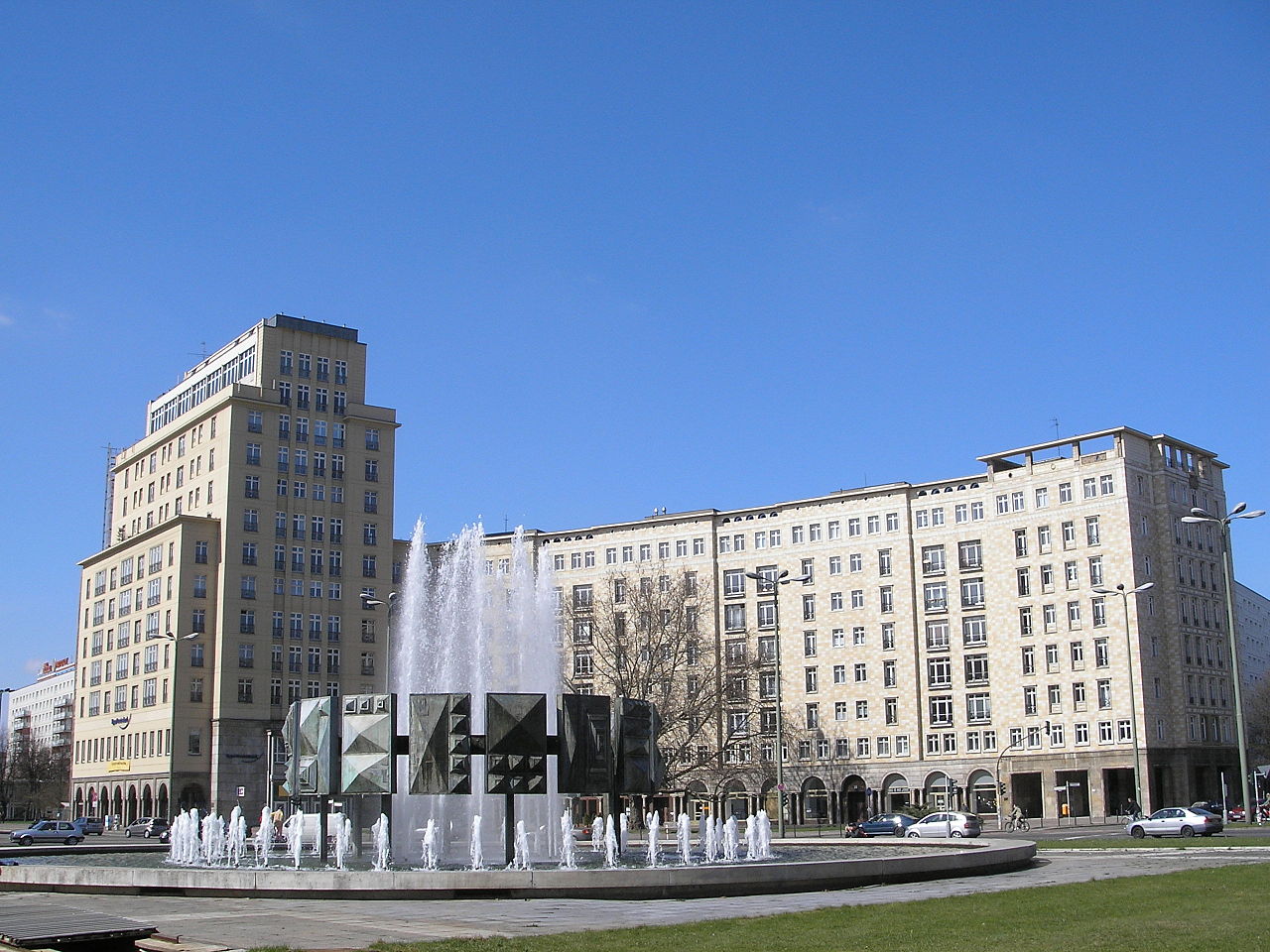
- Urban fabric: East Berlin left a visible imprint in architecture, monuments and planned neighborhoods, and many buildings and public spaces still reflect the GDR era's style and priorities.
- Historical timeline: The separation by the Wall lasted from 1961 until 1989; the legal and political transition to a unified Germany culminated on 3 October 1990.
For further historical and archival material about administrative arrangements, occupation policy and everyday life in the divided city consult primary collections and scholarly works; international perspectives often cite the complex interactions between the occupying powers and the GDR authorities that shaped East Berlin's distinctive role in Cold War Europe. Additional reading and resources are available through archival portals and institutions dedicated to Berlin's 20th-century history (de facto studies and comparative occupation law), municipal records and oral-historical projects focused on life in both sectors.
Selected references in context: diplomatic practice toward East Berlin and West Berlin often reflected broader East–West relations, and the city's division became one of the most visible symbols of the Cold War until reunification efforts reshaped national and municipal governance.
Keywords: Cold War, German Democratic Republic, Berlin Wall, four-power occupation, reunification, urban history.
See also: Berlin overview, Soviet occupation, West Berlin, West Germany, capital, Berlin Wall, NPA.
Questions and answers
Q: What was the name of the eastern part of Berlin between 1949 and 1990?
A: East Berlin.
Q: What country did it serve as the capital of?
A: East Germany.
Q: How was East Berlin separated from West Berlin?
A: By the Berlin Wall, which was in place from 13 August 1961 until 9 November 1989.
Q: How did the Western Allies refer to East Berlin?
A: They referred to it simply as "Berlin" or "Berlin, Hauptstadt der DDR" (Berlin, capital of the GDR). The term "Democratic Sector" was also used until the 1960s.
Q: Did they recognize it as East Germany's capital?
A: No, they never recognized it as such. Treaties instead used terms such as "seat of government." In the 1960s they sometimes said Pankow was the capital of East Germany instead.
Q: Where is Pankow located?
A: Pankow is a borough where the main East German government buildings were built.
Q: When did East Berlin cease to exist?
A: On 3 October 1990 when West Germany and East Germany were united.
Related articles
Author
AlegsaOnline.com East Berlin: history, administration and legacy (1949–1990) Leandro Alegsa
URL: https://en.alegsaonline.com/art/29615
Sources
- worldstatesmen.org : "Commandants of Berlin Soviet Zone"