
Murray Bookchin: Social Ecology, Anarchism, and Libertarian Municipalism
American social theorist and activist (1921–2006) who developed social ecology, advocated decentralised, democratic municipalism, and influenced environmental and radical democratic movements.
Murray Bookchin (January 14, 1921 – July 30, 2006) was an American intellectual, writer and activist best known for developing the theory of social ecology and for advocating face-to-face, participatory forms of democracy. Trained as a political thinker and prolific author, he described himself for much of his life as an libertarian socialist and worked at the intersection of environmentalism, urban affairs and radical politics. His work sought to connect ecological crisis to social hierarchy, arguing that environmental problems are rooted in forms of domination and social organization.
Image gallery
5 Images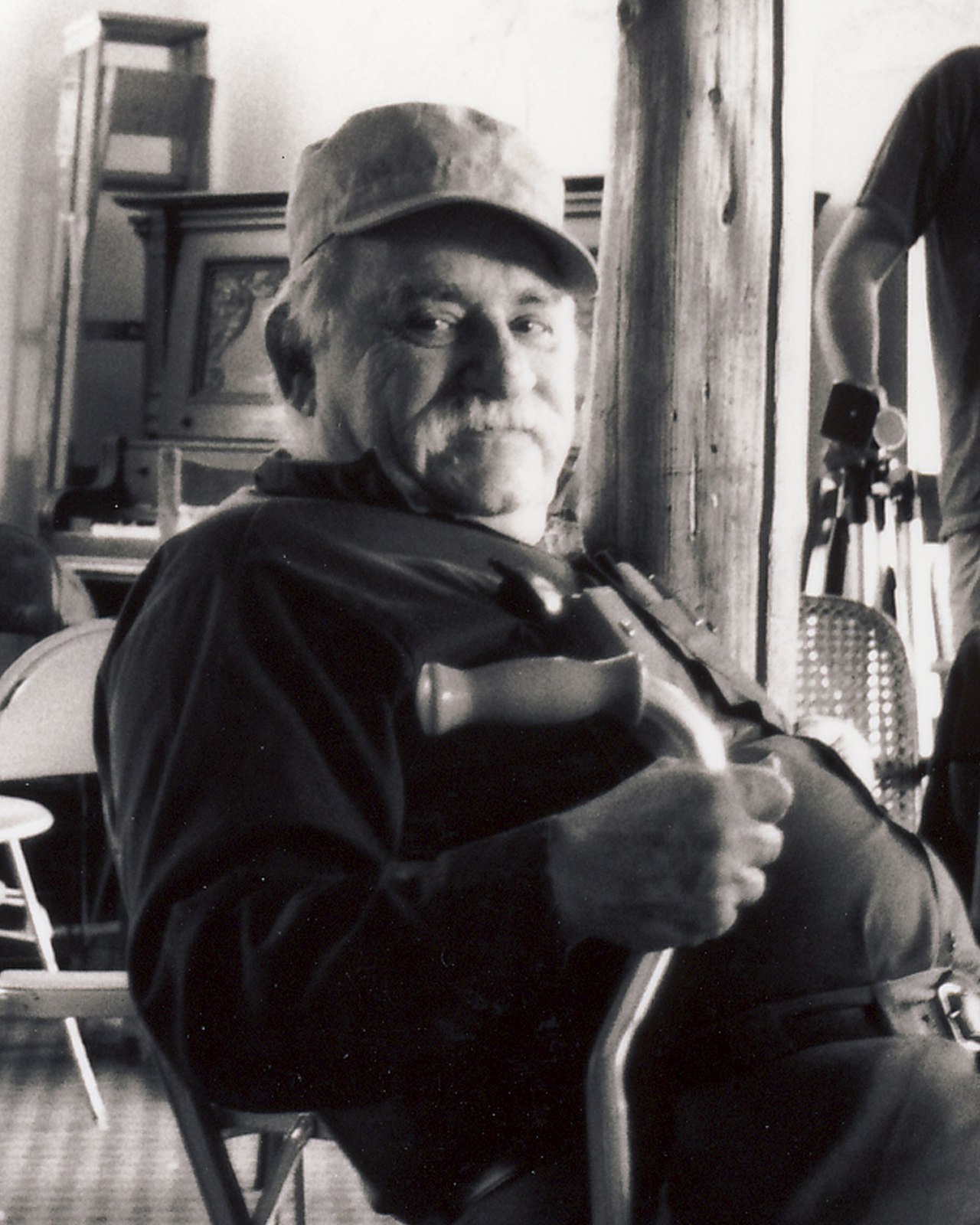




Core ideas and concepts
Bookchin rejected simplistic nature-centrism and emphasized the social sources of ecological degradation. His approach is often summarized under the label "social ecology," which treats ecosystems and human societies as interlinked and calls for democratic, ecological planning. He advocated the decentralisation of political and economic power and proposed a model of local popular assemblies and confederations — ideas he later articulated as libertarian municipalism and, in his later years, communalism.
Key concepts in Bookchin's thought include:
- an analysis of hierarchy as the primary social cause of ecological harm;
- democratic, municipal assemblies for direct, face-to-face decision making;
- a critique of private-property capitalism and centralized state power as drivers of ecological destruction;
- an insistence that ecological solutions must be social and political, not solely technological.
Life, development and political activity
Born in New York in 1921, Bookchin was active in left-wing and labor circles for decades, writing essays and books and taking part in social movements. Over the course of his career he authored roughly two dozen works on politics, philosophy and ecology, sometimes collected as books. His early writing included libertarian socialist and anti-capitalist themes; he remained outspoken about radical opposition to entrenched power structures and described himself as anti-capitalist.
Although consistently critical of centralized authority, Bookchin's relationship to anarchism changed over time. He long used anarchist language and participated in related debates, but in later years he publicly distanced himself from what he regarded as certain strains of post‑1960s anarchist thought and, privately after the mid-1990s, renounced identifying with the anarchist movement.
Influence, controversies and interactions
Bookchin's ideas influenced a range of movements and thinkers. His emphasis on municipal organising and confederated assemblies appealed to members of the emerging Green movement and to direct-action groups that prioritized local democratic practice over electoralism. His critiques of what he called "new age" or lifestyle-focused greens generated sharp debate and criticisms that contributed to splits in some environmental circles.
He also engaged in unexpected cross-ideological exchanges: he occasionally met with libertarian figures such as Murray Rothbard and appeared at events attended by the Libertarian Party (United States). Internationally, his political framework was read by Kurdish activists and thinkers; it informed the thinking of figures such as Abdullah Öcalan, who later moved toward a program of democratic confederalism.
Practical proposals and legacy
Bookchin proposed concrete institutional reforms: a network of neighbourhood and municipal assemblies, direct participatory decision-making, and ecological planning at scales where citizens could deliberate face to face. He opposed both centralized technocratic management and apolitical lifestyle choices as sufficient responses to ecological problems. Supporters view his work as a bridge between environmentalism and radical democracy; critics have argued that his later repudiation of some anarchist tendencies and his emphasis on organized municipal politics created tensions with other left traditions.
Selected works and further reading
- Post-Scarcity Anarchism (collection of essays articulating libertarian socialist and ecological themes).
- The Ecology of Freedom (a systematic account linking hierarchy and ecological crisis).
- Toward an Ecological Society (further development of social-ecological proposals).
Bookchin remains a contested but influential figure in debates on ecology, urbanism and democratic theory. His insistence that environmental problems are inseparable from social structures continues to inform contemporary discussions about decentralized governance, ecological justice and grassroots political renewal. For more on his life and thought see linked resources and collections of essays and critical responses to his work, which survey both his proposals and the debates they generated across the political spectrum, including discussions of his decentralisation proposals and their broader influence.
For critical perspectives and historical context, scholars often note the tensions between Bookchin's calls for organised municipal structures and other anti-authoritarian currents, and they examine how his interventions reshaped conversations about ecology and democracy in the late 20th century.
Questions and answers
Q: Who was Murray Bookchin?
A: Murray Bookchin was an American libertarian socialist, political and social philosopher, speaker and writer. He identified as an anarchist for much of his life but later privately renounced it. He was a pioneer in the ecology movement and founded the social ecology movement within libertarian socialist and ecological thought.
Q: What type of society did he prefer?
A: Bookchin favored a decentralized society and opposed capitalism.
Q: What influence did he have on the Green Movement?
A: His writings on libertarian municipalism had an influence on the Green Movement and anti-capitalist direct action groups such as Reclaim the Streets.
Q: How did he contribute to divisions in the American Green movement in the 1990s?
A: His criticisms of "new age" Greens such as Charlene Spretnak contributed to divisions in the American Green movement in the 1990s.
Q: Did he ever attend Libertarian Party conventions?
A: Yes, he occasionally attended Libertarian Party conventions, endorsing their presidential candidate Roger MacBride in 1976.
Q: How has his thinking influenced Kurdish militant Abdullah Öcalan?
A: His thinking has influenced captured Kurdish militant Abdullah Öcalan who has renounced violence and now wants a peaceful solution to Kurdish autonomy.
Q: How many books did Murray Bookchin write?
A: He wrote two dozen books on politics, philosophy, history, urban affairs as well as ecology.
Author
AlegsaOnline.com Murray Bookchin: Social Ecology, Anarchism, and Libertarian Municipalism Leandro Alegsa
URL: https://en.alegsaonline.com/art/127310