
Murray Rothbard: Economist, Libertarian Theorist, and Advocate of Anarcho‑Capitalism
American economist and political theorist Murray Rothbard (1926–1995) shaped modern libertarianism and anarcho‑capitalism, popularized Austrian economics, and authored influential works on free markets and natural rights.
Overview
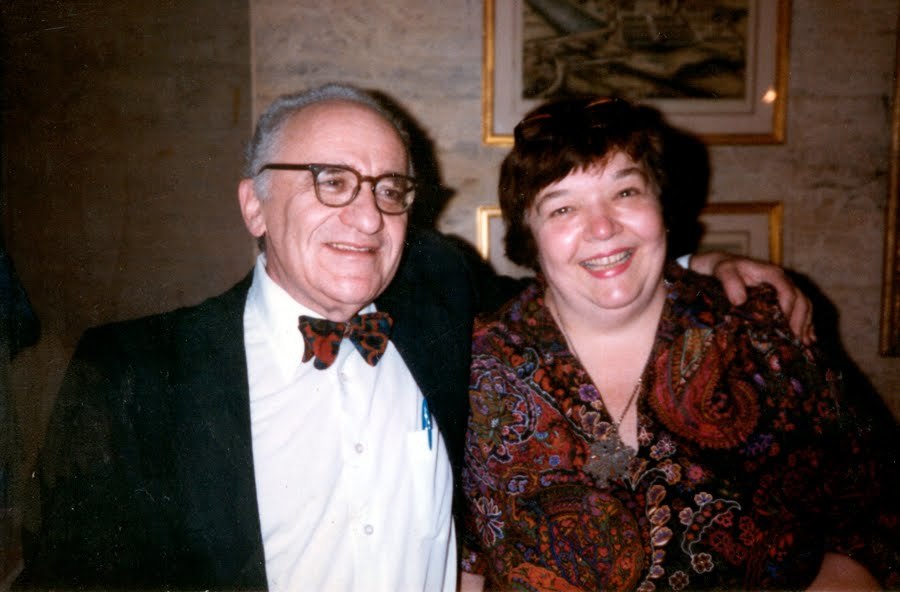
Murray Newton Rothbard (March 2, 1926 – January 7, 1995) was an American economist, historian, and political theorist best known for combining Austrian economics with a radical libertarian political philosophy. He argued for minimal or no state intervention in economic and social life, and he coined and developed the modern theory of anarcho‑capitalism. Rothbard’s work influenced academic, policy, and activist circles and helped bring the Austrian School into broader public discussion.
Image gallery
10 Images




Ideas and intellectual contributions
Rothbard synthesized several strands of thought: classical liberal economics, natural‑law ethics, and a strong critique of state power. Economically he emphasized individual choice, property rights, and the market process. Politically he defended the idea that private property and voluntary contracts can replace many functions of government. He rejected central planning and state coercion, promoting instead an order arising from voluntary associations. His approach connected economic theory to moral arguments for liberty.
Major works
Rothbard was a prolific writer whose books and essays sought to explain and defend free‑market principles. Notable titles include:
- Man, Economy, and State — a systematic exposition of Austrian economics.
- The Ethics of Liberty — a natural‑rights defense of private property and nonaggression.
- For a New Liberty — a primer on libertarianism and anarcho‑capitalist proposals.
- America's Great Depression — an economic history interpreting the 1930s through an Austrian lens.
Life, context, and development
Rothbard studied under prominent scholars of the Austrian tradition and participated actively in mid‑20th century libertarian networks. He helped organize institutions and journals that promoted free‑market ideas and publicized Austrian economics in the United States. Over his career he combined scholarly books, popular essays, and political activism, engaging both academic debates and grassroots movements.
Influence, criticisms, and legacy
Rothbard’s influence is visible in contemporary libertarian thought, think tanks, and literature on market processes. Supporters praise his clear defense of liberty and analytical rigor; critics challenge elements of his political program, historical claims, or tactical positions. His insistence on principled, uncompromising libertarianism continues to spur debate about the role of government, civil society, and market institutions.
Further reading and resources
- Biographical overview and profile
- Selected writings and essays
- Austrian School context and history
- Rothbard’s influence in the United States
- Libertarianism and political theory
- Debates on state and governance
- Critiques and responses
- Free‑market economic writings
- Anarcho‑capitalism: origins and debates
- Historical studies by Rothbard
- Collections, archives, and further materials
Questions and answers
Q: Who was Murray Newton Rothbard?
A: Murray Newton Rothbard was an American economist and writer who helped make the Austrian School of economics popular in the United States.
Q: What did Rothbard help to create?
A: Rothbard helped to create modern libertarianism, a political belief in less government and more personal freedom.
Q: What form of free-market anarchism did he found?
A: He founded a form of free-market anarchism which he called "anarcho-capitalism".
Q: What did Rothbard believe about society?
A: Rothbard believed society should organise itself, and he didn't like central planning.
Q: How many books did he write?
A: He wrote over twenty books.
Q: Was he an important figure in the American libertarian movement? A; Yes, he was an important central figure in the American libertarian movement.
Author
AlegsaOnline.com Murray Rothbard: Economist, Libertarian Theorist, and Advocate of Anarcho‑Capitalism Leandro Alegsa
URL: https://en.alegsaonline.com/art/127318