
Boiry-Becquerelle (commune in Pas-de-Calais, northern France)
Boiry-Becquerelle is a small rural commune in Pas-de-Calais, northern France. This article summarizes its location, geography, history, administration, economy, heritage and practical information for visitors and residents.
Boiry-Becquerelle is a small rural commune located in the historic region often referred to as Nord-Pas-de-Calais and mentioned in some sources with that regional name Nord-Pas-de-Calais. It lies within the Pas-de-Calais department in northern France. The settlement is typical of the small agricultural villages scattered across the plain of northern France, with a compact village core and surrounding fields.
Image gallery
2 Images
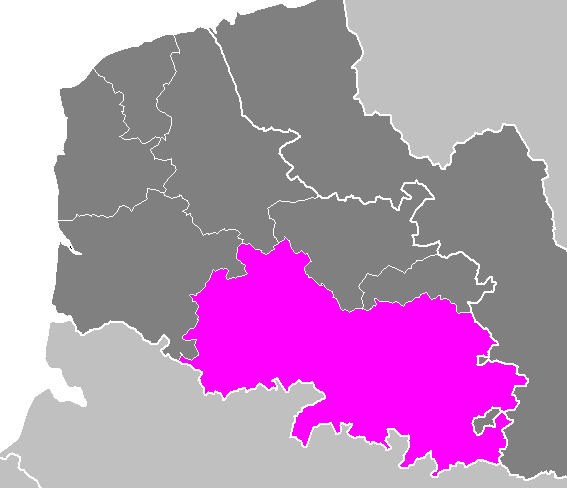
Location and geography
The landscape around Boiry-Becquerelle is generally flat to gently undulating, dominated by arable farmland, hedgerows and occasional wooded patches. Local roads link the commune to neighbouring villages and to larger market towns within the department. Climate is temperate oceanic, with mild summers and cool winters, supporting mixed cropping and pasture.
History
Like many rural places in Pas-de-Calais, the village has medieval roots and developed as an agricultural community. The wider area experienced military activity in several historical periods and substantial rebuilding during the 20th century, which affected churches, houses and farm buildings. Surviving features such as village lanes, traditional masonry and commemorative monuments reflect that layered past.
Administration and community
The commune is governed by a municipal council and a mayor, following the administrative structure common to French communes. Community life typically revolves around the town hall, the parish church and local associations. Small communes in the region often cooperate with neighbouring communes for services such as schooling, waste collection and cultural events.
Economy and land use
Agriculture is the predominant economic activity, with fields managed for cereals, sugar beet, oilseed and other regional crops, alongside livestock on some holdings. Small local businesses and artisans provide services; most residents depend on nearby towns for larger shops, healthcare and secondary schools.
Sights and heritage
Points of interest are modest and characteristic: a parish church or chapel, war memorials remembering local residents, traditional farmhouses and the rural street pattern. These elements give an insight into local vernacular architecture and communal memory. Visitors looking for further information can consult municipal notices or regional cultural guides.
Transport and services
Public transport is limited in such rural communes, so private car use is common. Access to main roads and regional rail services in nearby towns connects residents to larger urban centres for employment, education and specialised services. Practical facilities within the village tend to be basic; commercial and medical services are typically sought in neighbouring towns.
For administrative, demographic or visitor information search official departmental and regional resources or contact the municipal office using the commune name as reference. Additional context about the area and its administration can be found via regional summaries and local tourist information offices.
Related articles
Author
AlegsaOnline.com Boiry-Becquerelle (commune in Pas-de-Calais, northern France) Leandro Alegsa
URL: https://en.alegsaonline.com/art/12721