
Mohammed Zahir Shah — Last King of Afghanistan (1914–2007)
Mohammed Zahir Shah was the final monarch of Afghanistan, reigning 1933–1973. His reign brought relative stability, constitutional reform in 1964, a neutral foreign policy, and ended with a 1973 coup. He later returned from exile.
Overview
Mohammed Zahir Shah was the last ruling monarch of Afghanistan, occupying the throne from 1933 until a bloodless coup in 1973. He came to power as a teenager and presided over a long period of relative internal stability, cautious modernization, and a foreign policy aimed at neutrality between major powers. His life included decades in exile and a symbolic return that played a role in post-2001 national reconciliation.
Image gallery
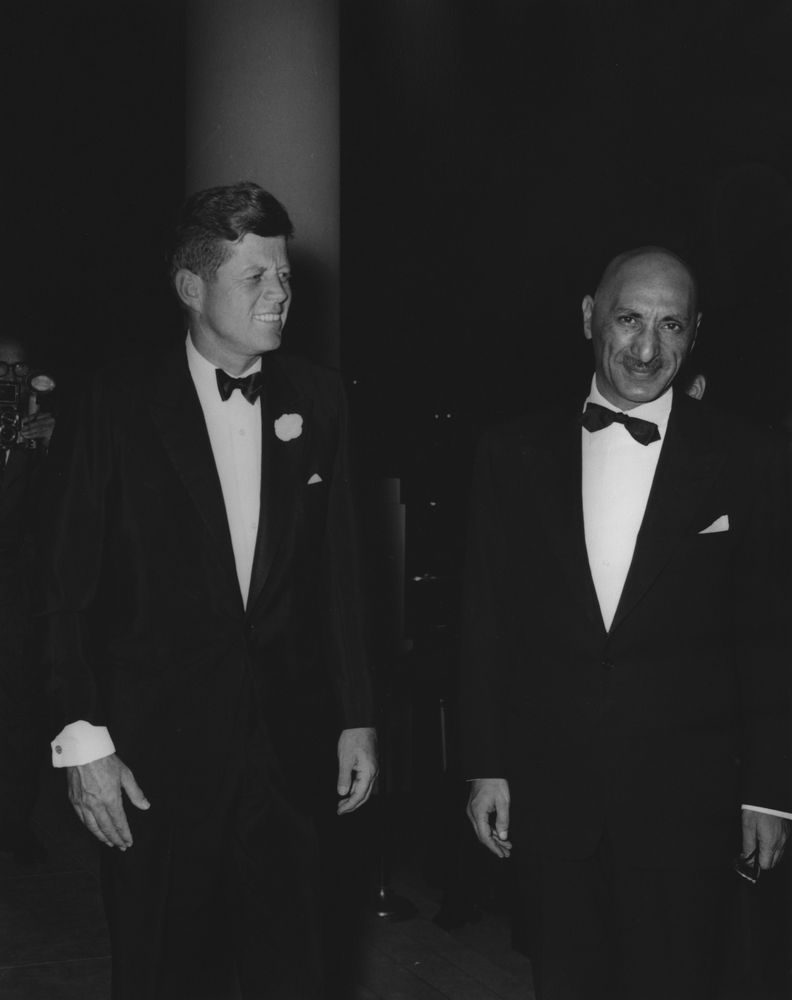
8 Images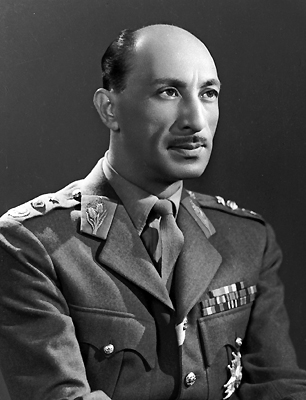



Early life and accession
Born in 1914 into the Barakzai dynasty, Zahir Shah succeeded his father after an assassination and became king at nineteen. Because of his youth, senior family members and ministers exercised considerable influence in the early years of his reign. Over time he consolidated authority while maintaining a measured style that emphasized continuity and order rather than abrupt change. For a concise biographical outline see Zahir Shah biography.
Reign: modernization and the 1964 constitution
During his four-decade reign the monarchy oversaw gradual reforms in education, infrastructure, and administration. A key milestone was the promulgation of the 1964 constitution, which transformed Afghanistan into a constitutional monarchy with a parliament and greater civil liberties. These changes expanded political participation and helped stimulate debate about the country's future. For details on constitutional reforms consult constitutional history.
Domestic politics and notable figures
Zahir Shah's rule included periods of close cooperation and tension with prominent politicians, including Prime Minister Mohammad Daoud Khan. Domestic politics combined traditional structures with new civic institutions, and the king generally acted as a stabilizing, sometimes ceremonial, figure. Analysts of Afghan governance and leadership provide context at political analysis.
Foreign policy and international position
The king steered Afghanistan toward a policy of neutrality, balancing relationships with neighboring powers and aid donors. This nonaligned stance sought to preserve independence amid Cold War pressures and to attract development assistance without formal alliances. For perspectives on his foreign policy approach see foreign policy overview and regional relations.
The 1973 coup and exile
While Zahir Shah was abroad in 1973, his cousin and former prime minister led a largely bloodless coup that abolished the monarchy and established a republic on 17 July 1973. The dethroned king spent decades living in exile in Italy, during which Afghanistan underwent turbulent political transformations. For accounts of the coup and its aftermath see coup details and post-coup developments.
Return, later years and legacy
Zahir Shah returned to Afghanistan after the 2001 international intervention and played a ceremonial role in promoting reconciliation and unity. He was widely respected across many segments of Afghan society as a symbol of continuity and moderated politics until his death in 2007. His legacy is contested but commonly associated with a long era of relative calm, the 1964 constitutional experiment, and the transition that followed his removal. For reflections on his legacy consult legacy resources.
Key points: last king of Afghanistan; ruled 1933–1973; 1964 constitution; deposed by a 1973 coup; returned in the early 2000s and remained a unifying figure until his death.
Author
AlegsaOnline.com Mohammed Zahir Shah — Last King of Afghanistan (1914–2007) Leandro Alegsa
URL: https://en.alegsaonline.com/art/127177