
Mohammad Khatami
Iranian reformist politician and cleric; president of Iran (1997–2005), advocate of rule of law, civil society and interfaith dialogue, later prominent in reformist movements and critical of hardline policies.
Overview
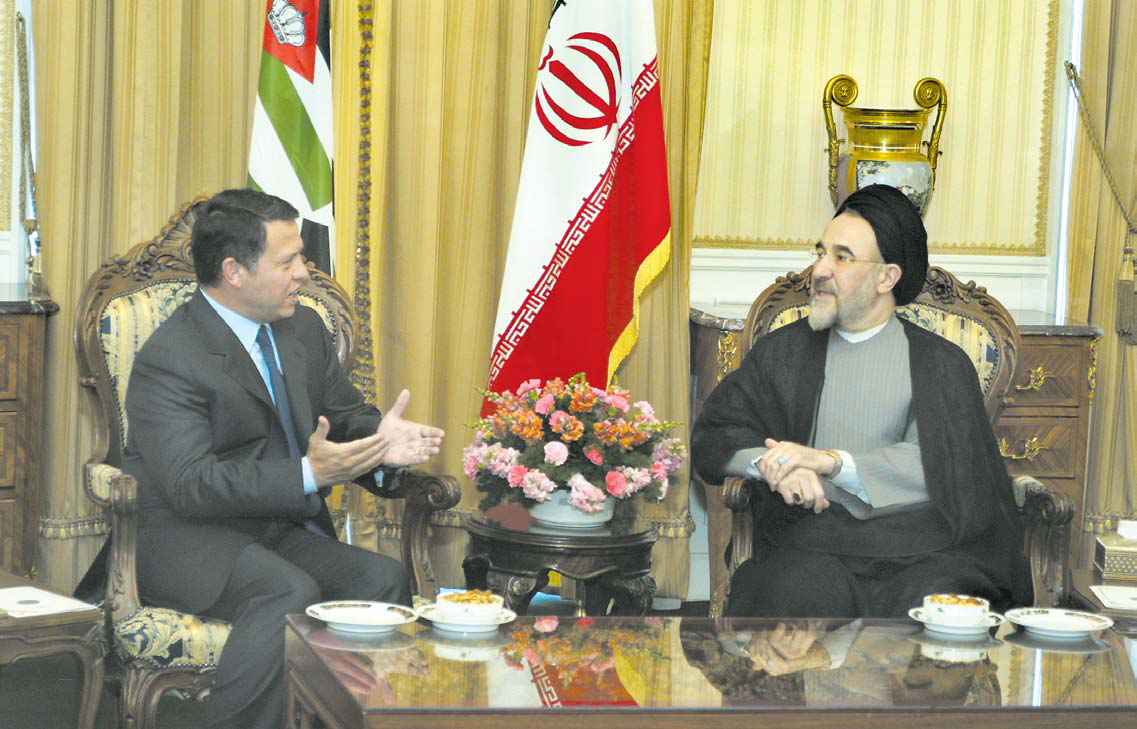
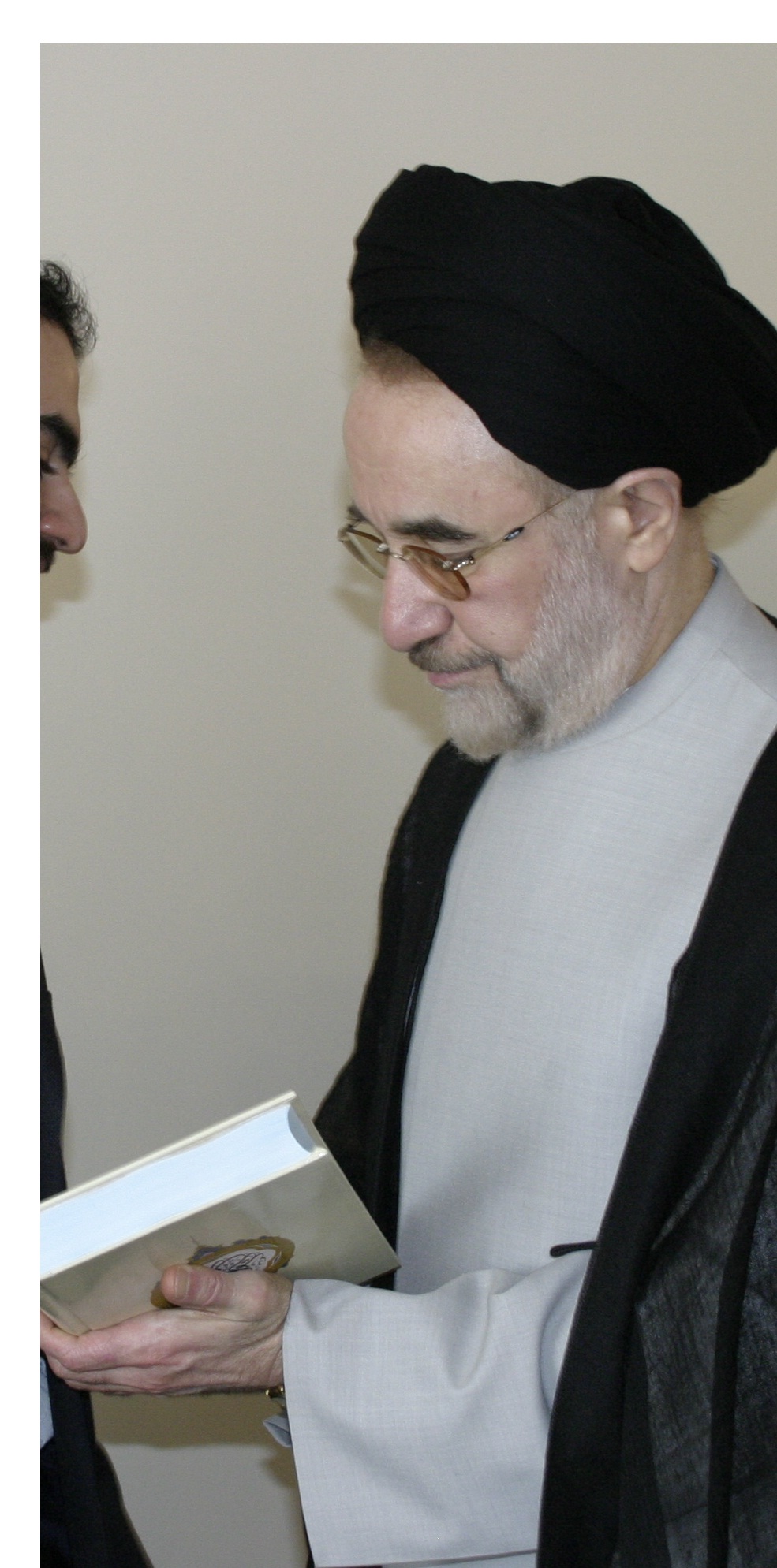
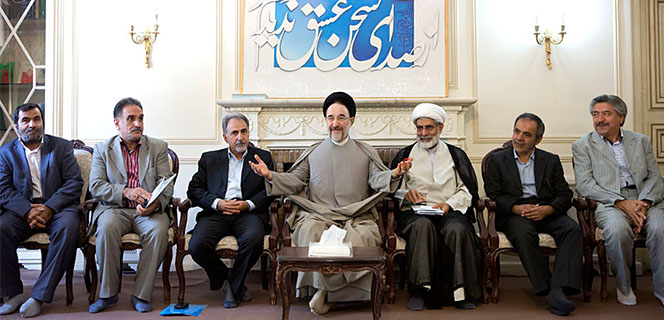
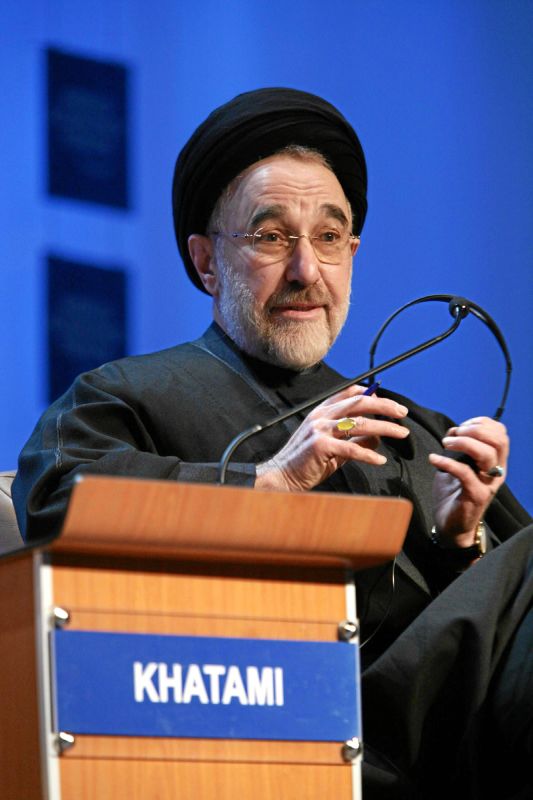
Seyyed Mohammad Khatami (born October 14, 1943) is an Iranian cleric and reformist politician who served as the President of Iran from 2 August 1997 to 3 August 2005. Elected on a platform of cultural openness, political moderation and strengthening institutions, he completed two consecutive presidential terms and was followed in office by Mahmoud Ahmadinejad. Khatami rose to prominence as a public voice for reform within the framework of the Islamic Republic.
Image gallery
10 Images




Education and intellectual background
Khatami trained as a Shia cleric and pursued both religious and philosophical studies. He studied Islamic theology in the seminaries of Qom and studied philosophy in Isfahan. His background combines traditional religious learning with engagement in modern social and political thought, a combination that informed his attempts to reconcile Islamic principles with contemporary governance issues.
Core ideas and policy emphasis
Khatami promoted a set of principles intended to reform political life and expand civic space. He emphasized the importance of a lawful state (often described using the German concept Rechtsstaat), greater participation and pluralism associated with democracy, and measures to improve social equality. These themes translated into support for a stronger rule of law, a more independent press, and encouragement of civil society organizations operating within the republic’s legal framework.
Presidency: initiatives and limits
During his presidency Khatami pursued reforms in cultural policy, media regulation, and local governance while seeking improved relations with other countries and promoting dialogue between civilizations at international fora. His initiatives energized students, intellectuals and many younger voters, but he encountered resistance from conservative bodies and unelected institutions whose constitutional powers limited the scope of change. Tensions over press freedoms, council vetting powers and the pace of reform marked much of his tenure.
Legacy, later role and public perception
After leaving office Khatami remained an influential figure in Iran’s reformist movement and a symbol for advocates of political liberalization and civic activism. He spoke out on matters of civil rights and supported peaceful reform efforts; in the years after his presidency he publicly criticized hardline policies and was associated with reform-minded movements. His supporters credit him with opening public debate and expanding civic participation; his critics argue his approach underestimated the constraints of Iran’s political system.
Key themes and notable facts
- Combines clerical credentials with modern philosophical study and intellectual engagement.
- Is widely identified with the Iranian reform movement of the late 1990s and early 2000s.
- Advocated institutional reform—rule of law, press freer space, and strengthened local governance—while operating inside the Islamic Republic’s constitutional order.
- Remains a prominent and sometimes controversial public figure whose career illustrates the tensions between elected reformers and unelected bodies in Iran.
The study of Khatami’s presidency is often used to examine the possibilities and limits of reform within established political systems, the interaction between religious authority and democratic norms, and the role of civic movements in shaping public life. For further reading and primary documents, consult dedicated sources and archives on contemporary Iranian politics and post-revolutionary reform efforts.
Author
AlegsaOnline.com Mohammad Khatami Leandro Alegsa
URL: https://en.alegsaonline.com/art/127167