
Michael Somare — First Prime Minister and Founding Leader of Papua New Guinea
Michael Somare (1936–2021) was a central figure in Papua New Guinea’s transition to independence, its first prime minister and long-serving political leader whose career shaped the nation’s early institutions and identity.
Michael Thomas Somare (9 April 1936 – 26 February 2021) was a leading statesman of Papua New Guinea who played a central role in the country's move to independence and in shaping its post‑colonial government. Often referred to as a founding father of the nation, Somare led the movement that negotiated self‑government and served as the country's first prime minister. His parliamentary and executive career spanned from the late 1960s until his formal retirement in 2017.
Image gallery
4 Images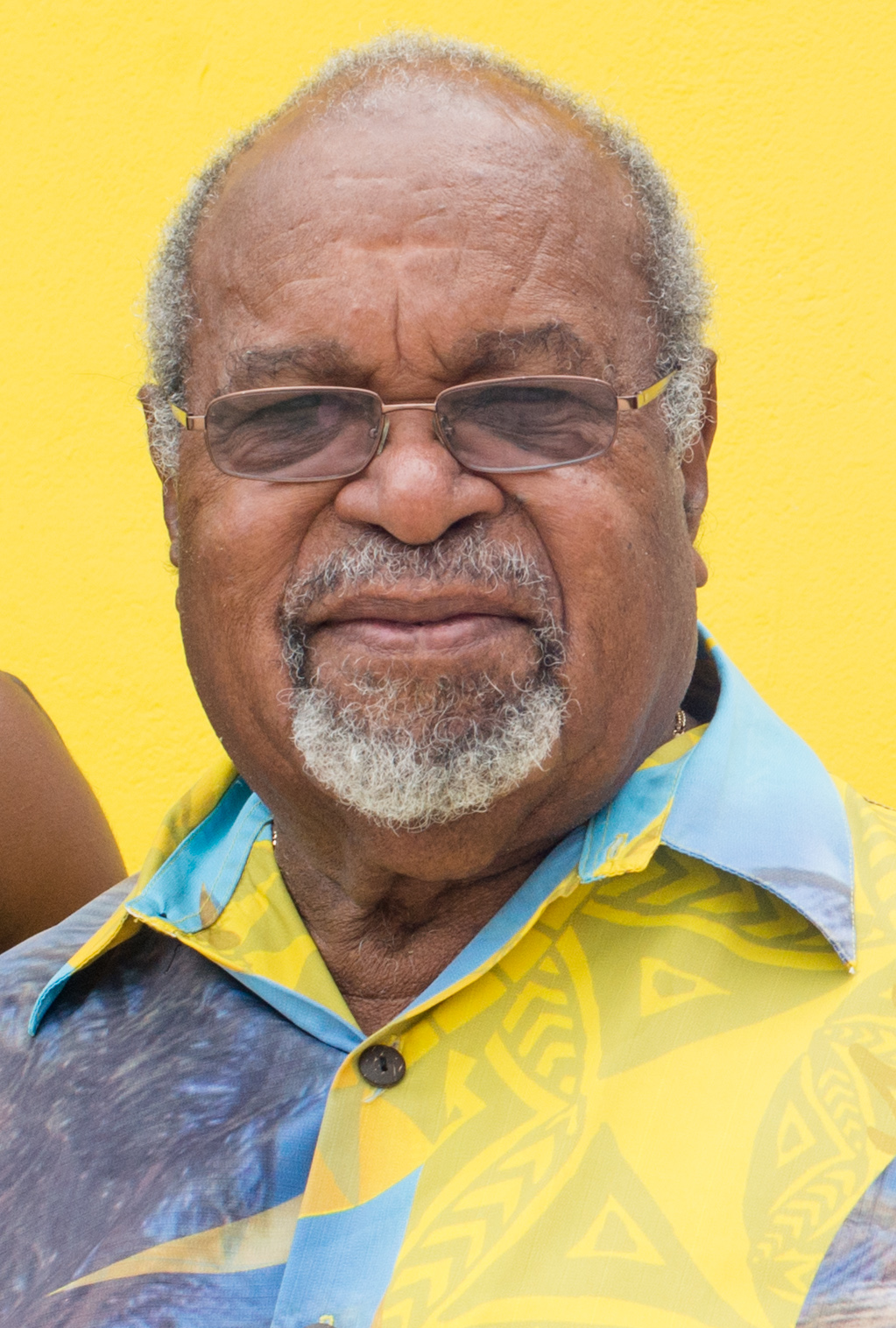


Political career and roles
Somare began his political life in pre‑independence legislatures and rose to national prominence as a chief minister before independence. He was the founder and leading member of the Pangu Pati and later served multiple terms as prime minister over several decades, accumulating around 17 years in office overall. His time in leadership included efforts to build national institutions, a constitution, and systems for governance that could accommodate Papua New Guinea’s extraordinary linguistic and cultural diversity.
Approach, priorities, and achievements
- Nation‑building: Somare emphasized unity among Papua New Guinea’s many peoples while protecting local traditions and provincial autonomy.
- Diplomacy: He managed the country’s external relations during the Cold War era and established ties with both regional neighbours and wider international partners.
- Institutional development: Under his leadership the new state established parliamentary procedures, public services, and a legal framework for independence.
Somare received several honours during his lifetime and was widely respected both domestically and internationally for guiding the transfer from Australian administration to self‑rule. Accounts of his career note periods of political challenge, coalition politics, and a 2011 constitutional dispute that affected his final years in office.
He died on 26 February 2021 in Port Moresby from pancreatic cancer at age 84. For biographical summaries and archival material see official biographies, contemporary news coverage at news archives and analysis links such as historical overviews. Further commentary and tributes are available via regional sources and medical reports noting his cause of death at health summaries.
Author
AlegsaOnline.com Michael Somare — First Prime Minister and Founding Leader of Papua New Guinea Leandro Alegsa
URL: https://en.alegsaonline.com/art/126821