
Boffles, Pas-de-Calais (commune)
Boffles is a small rural commune in the Pas-de-Calais department in northern France, formerly in Nord-Pas-de-Calais. The article covers location, characteristics, governance, history and local life.
Overview
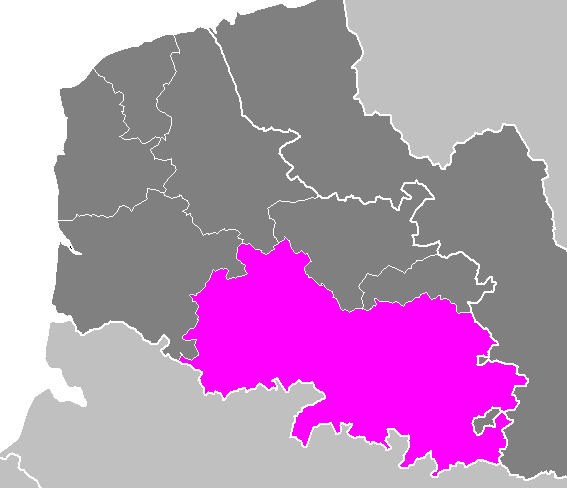
Boffles is a small rural commune located in the north of France. It lies within the administrative area historically known as Nord-Pas-de-Calais and today within the broader Hauts-de-France region. The settlement forms one of many local communes in the Pas-de-Calais area and is typical of north‑French village life in a largely agricultural setting. It is situated in the northern part of the country and connected by local roads to nearby market towns.
Image gallery
2 Images
Location and administrative context
Boffles is administered as a commune in the French departmental system. It belongs to the Pas-de-Calais department and historically to the Nord-Pas-de-Calais region. As with other communes, local government is headed by a mayor and a municipal council and the village participates in intercommunal cooperation with neighbouring communes for services and planning.
Characteristics and landmarks
The landscape around Boffles is predominantly rural, with cultivated fields, hedgerows and small lanes. Typical village features include a parish church, a war memorial and a small cluster of houses and farms. Local architecture often reflects regional materials and modest historic styles rather than grand monuments.
Administration and services
- Local government: mayor and municipal council responsible for basic services.
- Intercommunality: shared services with nearby communes for schools, waste and planning.
- Facilities: limited commercial services; residents rely on nearby towns for larger shops and hospitals.
History and development
The history of Boffles follows a familiar pattern for rural northern France: medieval origins, agricultural development, and change through modernisation in the 19th and 20th centuries. The wider Pas-de-Calais area saw significant activity during the world wars, and many villages commemorate those events with memorials and local histories.
Economy, transport and visitor information
The local economy is largely agricultural, supplemented by small businesses and rural tourism. Access is by departmental and communal roads; public transport is limited and regional rail or road links connect residents to larger centres. Visitors are drawn to quiet countryside walks, local heritage and the experience of village life.
For administrative details, maps and civic contacts see the commune information pages and regional resources linked through official portals.
Related articles
Author
AlegsaOnline.com Boffles, Pas-de-Calais (commune) Leandro Alegsa
URL: https://en.alegsaonline.com/art/12671