
Boffres
Boffres is a small rural commune in the Ardèche department of Auvergne‑Rhône‑Alpes, southern France, known for hilly landscapes, traditional stone architecture, chestnut groves and outdoor recreation.
Overview
Boffres is a small rural commune in the Ardèche area of the département in southern France. Like many villages in this part of the country, it combines residential hamlets, family farms and woodland on a hilly terrain. The settlement pattern and local services reflect its role as a modest local centre within a largely agricultural landscape.
Image gallery
1 Image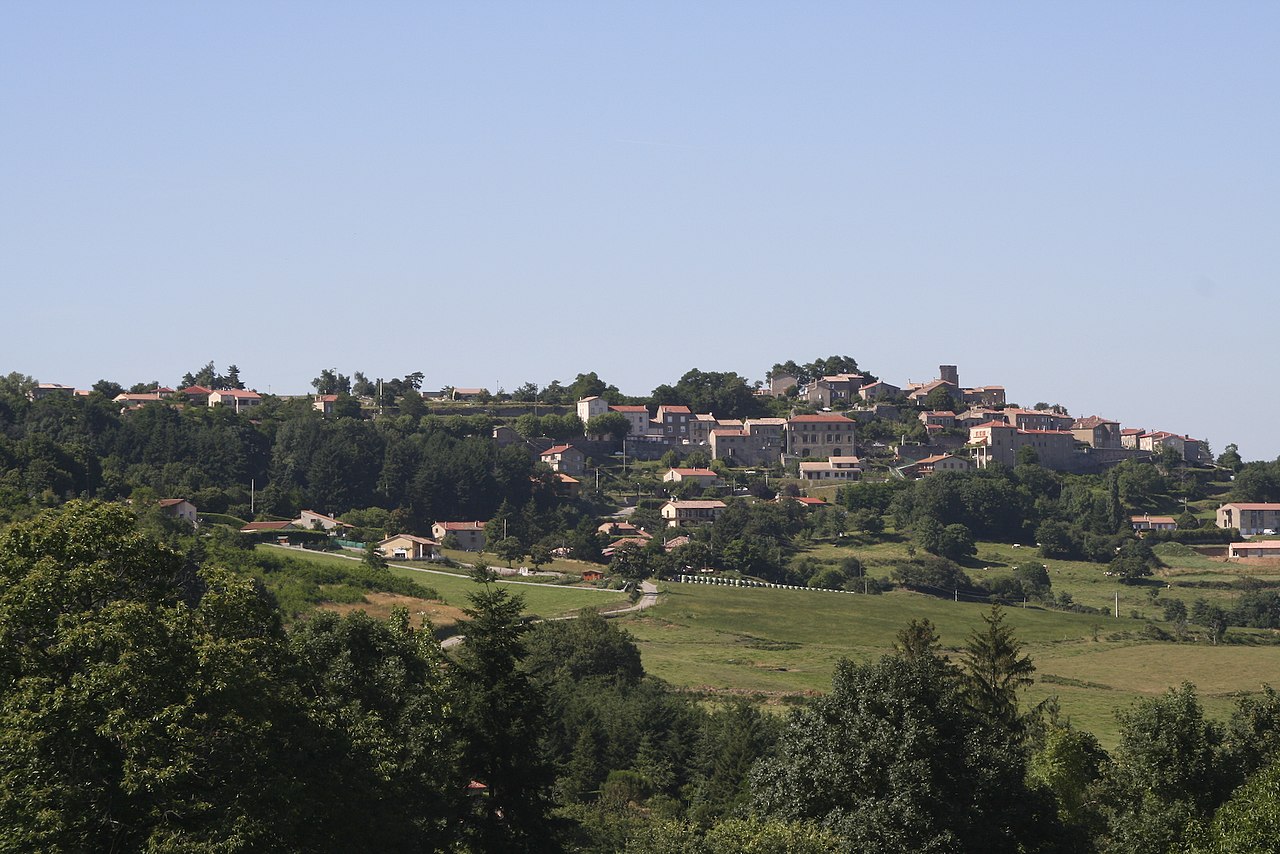
Geography and landscape
The surroundings of Boffres are characterised by rolling hills, small valleys and mixed woodlands. Elevation differences create viewpoints and a variety of microclimates: lower slopes carry orchards and cultivated fields, while higher ground supports chestnut groves and scrub. Paths and minor roads link hamlets and offer walking and cycling opportunities for visitors interested in rural scenery and nature observation.
History and built environment
The village exhibits vernacular architecture typical of the region, with stone houses, tiled or slate roofs and a parish church that marks the historic core. Development has generally been gradual, with buildings and lanes that reflect centuries of local life rather than rapid urban change. Traditional agricultural structures and dry‑stone walls contribute to the historic character of the landscape.
Economy, culture and recreation
Local economic activity is principally agricultural and artisanal: mixed farming, small orchards and local food production are common. Community life centres on seasonal markets, fêtes and communal gatherings that maintain local traditions. Outdoor recreation such as hiking, cycling and wildlife watching attracts visitors seeking a tranquil countryside experience.
Practical information and administration
- Access is primarily by regional and departmental roads; larger towns in the area provide rail and motorway connections.
- The commune participates in intercommunal cooperation for public services and planning, as is usual in French local government.
- Visitors should consult regional tourism offices, municipal notices and local signage for up‑to‑date information on events and services.
For administrative, historical or visitor information consult official municipal sources and regional guides that cover the Ardèche and the wider Auvergne‑Rhône‑Alpes area. Local landscapes and built heritage offer a representative example of southern French rural life and the natural diversity of the department.
Related articles
Author
AlegsaOnline.com Boffres Leandro Alegsa
URL: https://en.alegsaonline.com/art/12672