
Boeing Model 40
A mid-1920s single-engine biplane developed to carry U.S. air mail that became Boeing's first type to carry fare-paying passengers and helped establish the company's airline operations.
Overview
The Boeing Model 40 was a single-engined mail plane developed in the United States during the mid-1920s. Designed primarily to transport airmail, it also became notable as the first Boeing type to be adapted to carry paying passengers. The type helped link early air‑mail operations with the emerging commercial airline business.
Image gallery
7 Images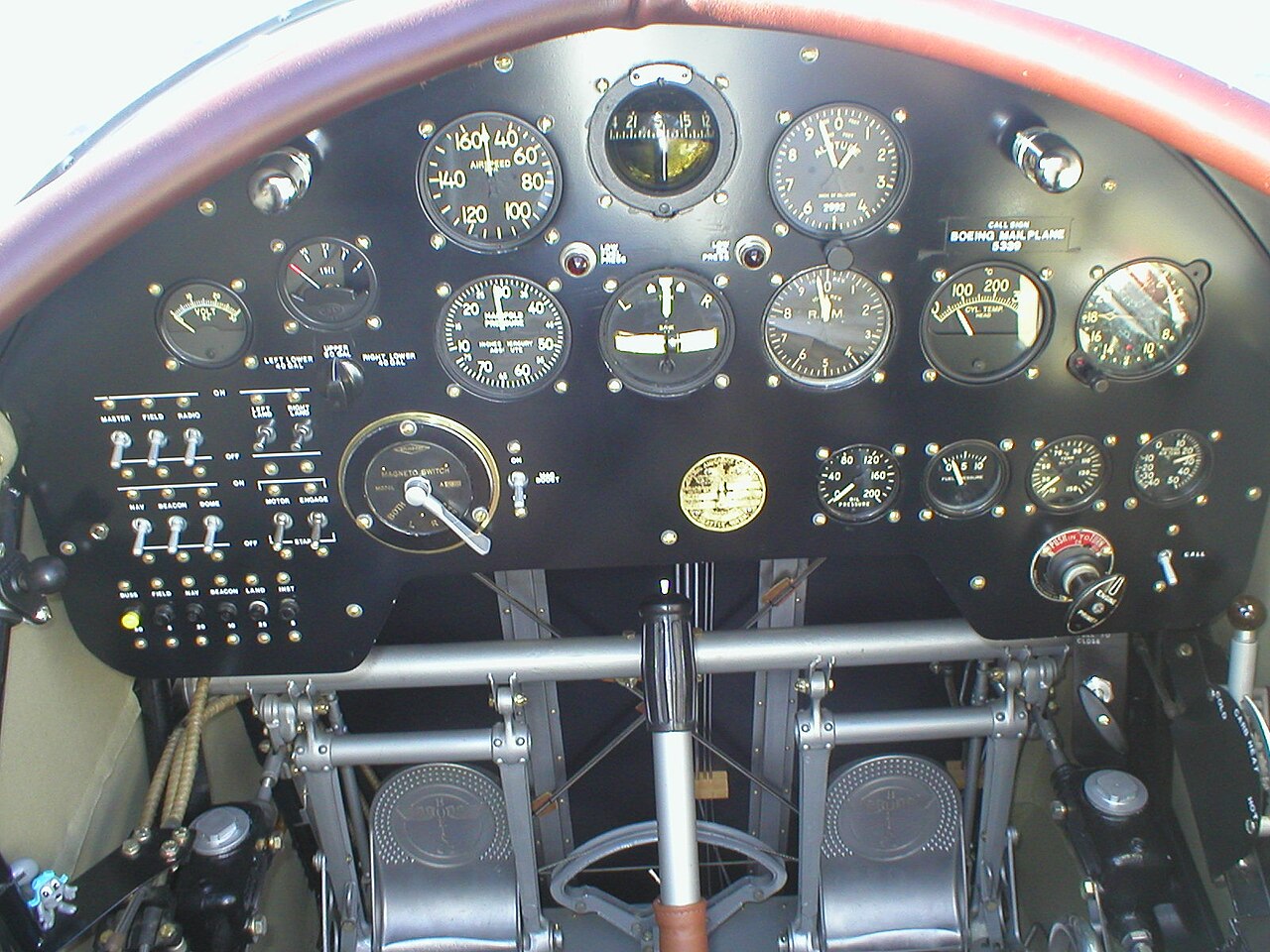


Design and characteristics
The Model 40 was a conventional biplane with a single, nose-mounted radial engine and a fuselage structure typical of the era: a mix of wood framing and metal fittings covered with fabric. Early examples focused on a robust mail compartment; later versions added a small enclosed cabin for passengers while retaining space for sacks of mail.
- Crew and capacity: normally flown by one pilot and arranged to carry mail and a few passengers in later variants.
- Construction: mixed wood-and-fabric airframe with conventional landing gear.
- Role: primary use as a mail carrier with secondary use as an early passenger transport.
Operational history
The Model 40 entered service with U.S. air mail contractors and with the fledgling airline operations that grew from those contracts. It flew routes in the 1920s and into the 1930s, carrying mail on scheduled runs and occasionally conveying passengers on short services. Incremental improvements produced versions better suited to dual mail-and-passenger duties.
Legacy and importance
The aircraft is significant for its role in the transition from government mail contracts to commercial airline service. By combining mail carriage with a passenger cabin, the Model 40 demonstrated that small passenger loads could be carried alongside revenue mail, encouraging airlines to offer mixed services. Surviving examples are preserved in aviation collections and are cited as an early milestone in Boeing's development as an airliner manufacturer.
Notable facts
Several improved subtypes—most famously the Model 40A—introduced enclosed passenger accommodations and other refinements. The type illustrates the close link between air‑mail contracts and the birth of scheduled passenger air service, and it remains a frequently mentioned example when tracing Boeing's origins in civil aviation. For further technical and historical details see related resources from Boeing and air‑mail histories: Boeing.
Tags
Related articles
Author
AlegsaOnline.com Boeing Model 40 Leandro Alegsa
URL: https://en.alegsaonline.com/art/12659
Sources
- vintageaircraft.org : Boeing 40C Flies For the First Time in 80 Years
- leebottom.com : Lee Bottom Flying Field
- pembertonandsons.com : Pemberton & Sons Aviation
- blog.seattlepi.com : Boeing on 787 aerial rendezvous with 1928 Model 40
- worldcat.org : 0143-5450