
Max Reger (1873–1916) — German composer, organist and pianist
Max Reger was a German late‑Romantic composer, organist, pianist and teacher known for dense counterpoint, prolific organ and choral output, and his role in sustaining Bachian traditions.
Overview
Max Reger was born in Brand, Bavaria on 19 March 1873 and died on 11 May 1916. He is widely described as a German composer who was also active as an organist and pianist. During his life Reger combined performance, composition and teaching, producing a large and varied catalogue that placed him among the more prolific figures of the late Romantic era.
Image gallery
6 Images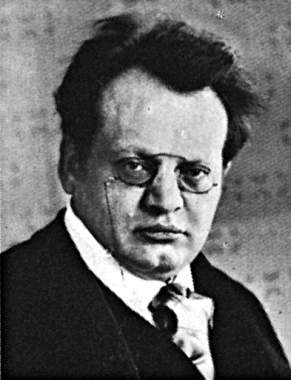


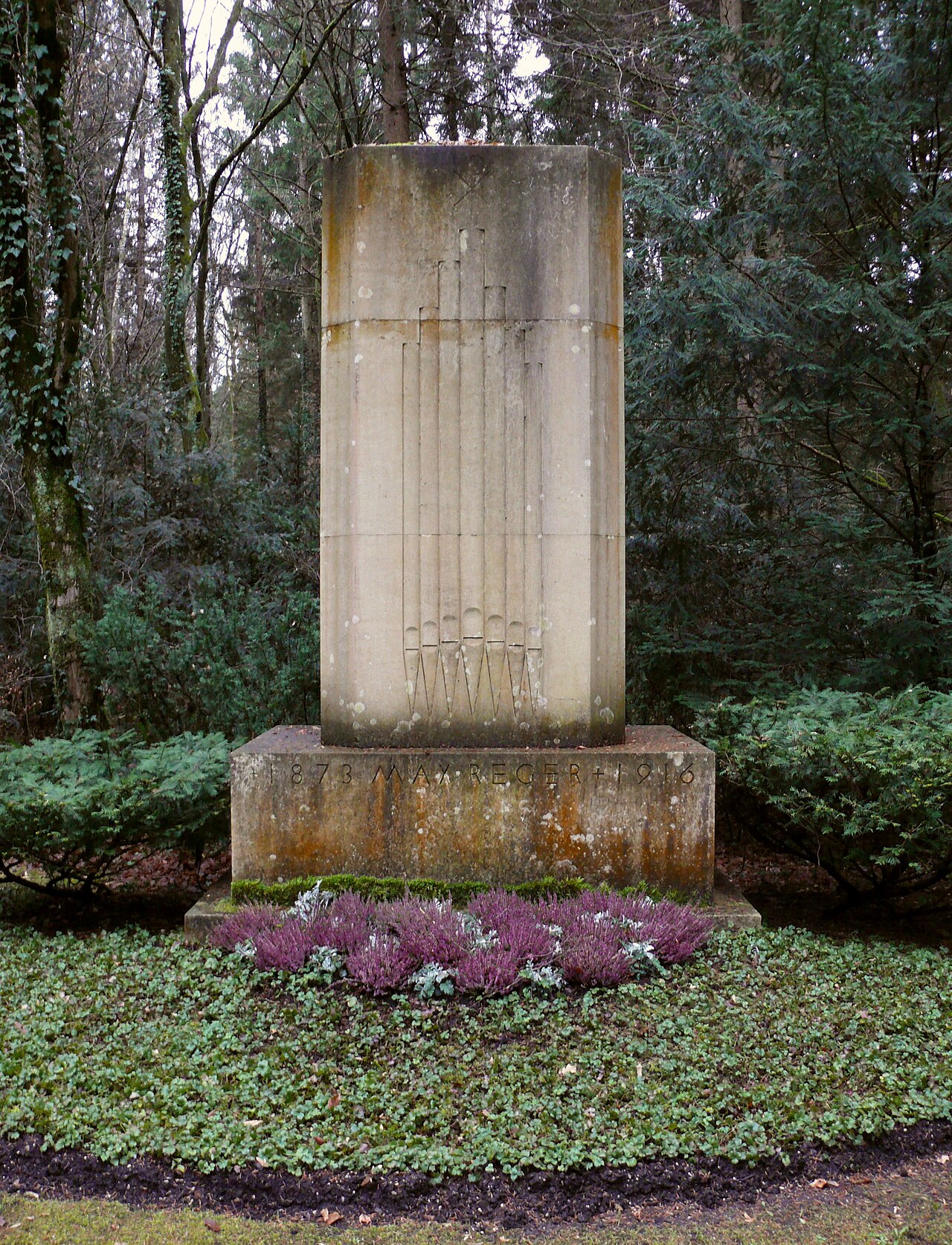

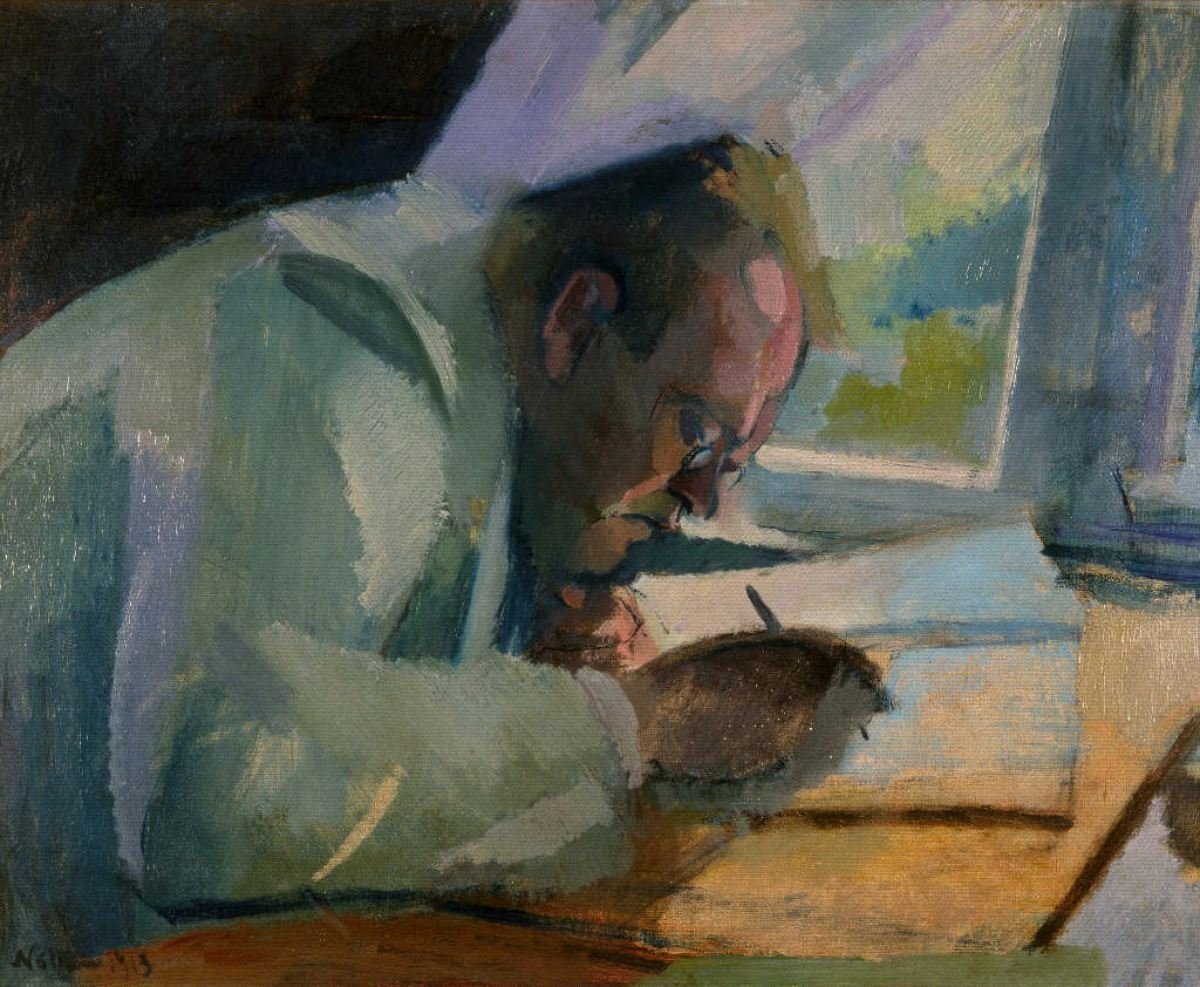
Music and style
Reger's music is characterized by dense harmonies, complex polyphony and a strong commitment to counterpoint inspired by Baroque models. He admired J. S. Bach and treated chorale and fugal forms as living resources, adapting them to late‑Romantic chromatic language. His works often interweave traditional forms such as fugue and chorale with dense orchestral or keyboard textures.
Works and genres
- Organ music: chorale preludes, fantasias and large-scale works that remain central to the instrument's repertoire.
- Choral and sacred music: motets, cantatas and larger liturgical pieces reflecting his contrapuntal approach.
- Orchestral and chamber music: concertos, symphonic poems, and intimate chamber pieces showing a range of colors and formal ambition.
- Piano and songs: complex keyboard pieces and numerous lieder for voice and piano.
Reger's output is notable for its quantity and seriousness of craft: he wrote in many genres and frequently returned to counterpoint as a structural principle. While sometimes criticized in his lifetime for density and complexity, many later performers and scholars have valued the formal rigor and expressive intensity of his music.
Legacy
As a teacher and performer, Reger helped transmit Bachian technique into 20th‑century practice and influenced organists and composers who followed. His works continue to be performed, particularly by organists and choirs, and he is remembered for bridging Baroque formal models with late‑Romantic harmonic language.
Questions and answers
Q: Who was Max Reger?
A: Max Reger was a German composer, organist, pianist and teacher.
Q: When was Max Reger born?
A: Max Reger was born on March 19, 1873 in Brand, Bavaria.
Q: When did Max Reger die?
A: Max Reger died on May 11, 1916.
Q: What roles did Max Reger play in the world of music?
A: Max Reger was a composer, organist, pianist and teacher.
Q: Where was Max Reger born?
A: Max Reger was born in Brand, Bavaria.
Q: What nationality was Max Reger?
A: Max Reger was German.
Q: What year was Max Reger born?
A: Max Reger was born in 1873.
Author
AlegsaOnline.com Max Reger (1873–1916) — German composer, organist and pianist Leandro Alegsa
URL: https://en.alegsaonline.com/art/126520