
Martin Ritt: American Director and Actor
Overview of Martin Ritt (1914–1990), an American theater and film director known for socially conscious films such as Hud, Norma Rae and The Front; includes career, style and legacy.
Overview
Martin Ritt (March 2, 1914 – December 8, 1990) was an American film and theater director and occasional actor whose work spanned stage, television and feature films. Born in New York City, Ritt became known for character-driven dramas that frequently addressed social and labor issues. His films include The Long, Hot Summer (1958), Hud (1963), Sounder (1972), The Front (1976) and Norma Rae (1979).
Image gallery
4 Images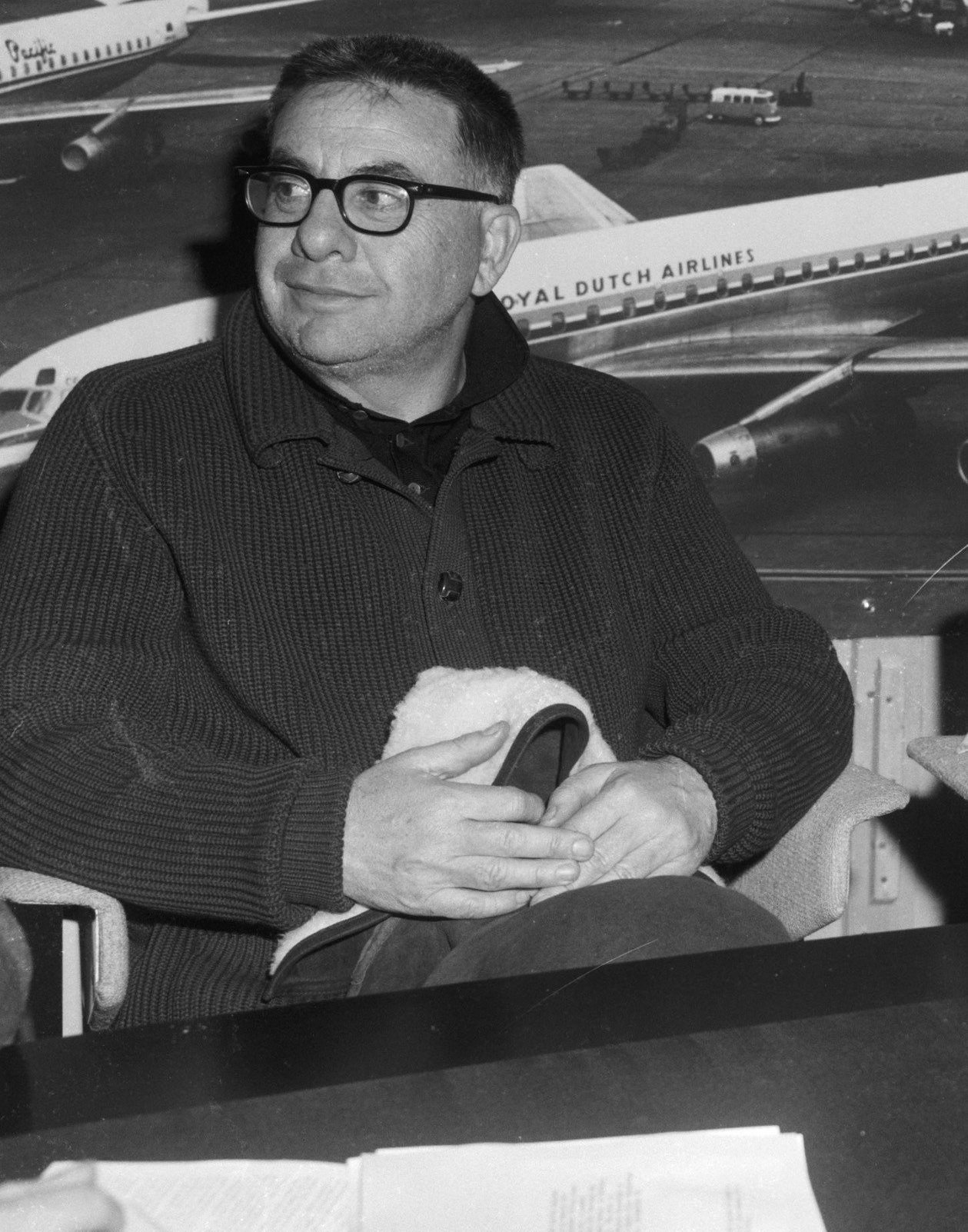


Career and development
Ritt began his career in the theater and radio before moving into directing. He worked in television during the 1950s and transitioned into movies by the late 1950s. During the era of political blacklisting he was briefly excluded from some work in Hollywood; this experience influenced later projects such as the blacklist-themed drama The Front. Throughout his career he collaborated with notable actors and often returned to themes of justice, dignity and community.
Artistic characteristics
Critics and colleagues regarded Ritt as an actor’s director who favored naturalistic performances and moral complexity over sensationalism. His films commonly portray everyday people confronted with ethical or economic pressures, and he often used straightforward visual storytelling to foreground performances and social context rather than special effects or flashy camera work.
Selected films and impact
- The Long, Hot Summer (1958) — an early feature that helped establish his reputation.
- Hud (1963) — a character study that further showcased his interest in conflicted protagonists.
- Sounder (1972) and The Great White Hope (1970) — films that combined strong performances with social themes.
- The Front (1976) — a drama reflecting the Hollywood blacklist era and its consequences.
- Norma Rae (1979) — a labor-rights–centered drama that brought wide attention to his work and earned major awards for its lead performer.
Legacy and later life
Ritt’s films are remembered for their moral seriousness and sympathetic portrayals of working-class life. He maintained a career-long commitment to material that explored social fairness and human resilience. He continued making films into the late 1980s and his final film, Stanley & Iris, was released in 1990. Ritt died of heart disease in Santa Monica, California on December 8, 1990; reports at the time cited heart disease as the cause of death.
Further reading
Author
AlegsaOnline.com Martin Ritt: American Director and Actor Leandro Alegsa
URL: https://en.alegsaonline.com/art/126266