
Maria Tallchief: Pioneering American Prima Ballerina
Maria Tallchief (1925–2013), an Osage-born dancer, became one of America's first major prima ballerinas. Renowned for her work with the New York City Ballet and collaborations with George Balanchine.
Overview
Elizabeth Marie Tallchief, known professionally as Maria Tallchief, was a leading American ballerina of the mid-20th century. Born in 1925 to an Osage father and a mother of Scottish-Irish descent, she rose from a childhood in Oklahoma to international prominence. Tallchief is widely recognized as the first Native American to achieve the rank of prima ballerina with a major company and for her close artistic partnership with choreographer George Balanchine.
Image gallery
8 Images


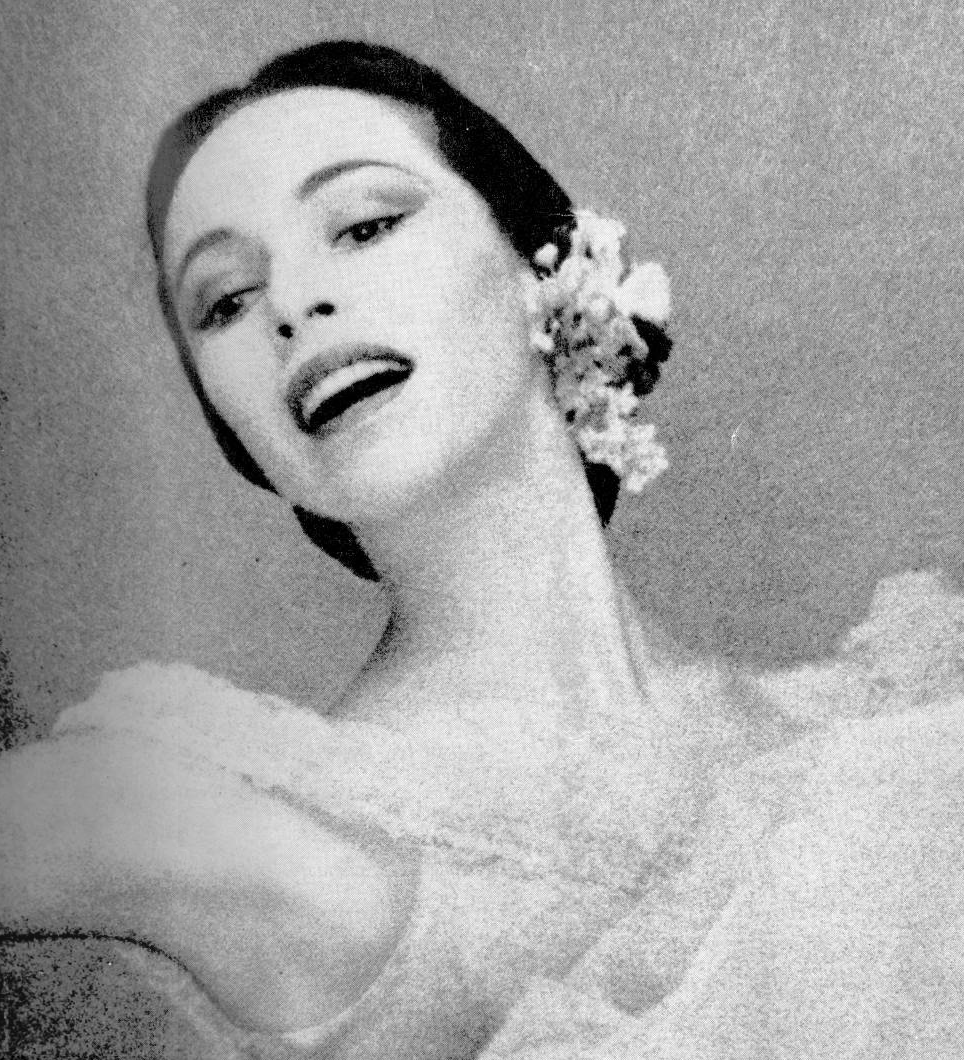


Early life and training
Tallchief began ballet training as a young child. Her family relocated from an Oklahoma reservation to pursue stronger instruction when local teachers could no longer meet her rapid progress. As a student she studied with several notable teachers and choreographers of the era, including Bronislava Nijinska and David Lichine, who helped shape her classical technique and stage presence. She later worked closely with George Balanchine, whose musical precision and neoclassical style strongly influenced her artistic development.
Professional career and signature roles
Maria Tallchief danced with several companies during her career and became especially associated with the New York City Ballet (company). Her performances in ballets such as The Firebird brought international attention and helped establish Balanchine's choreographic presence in America. Tallchief's repertory ranged from dramatic, story-driven works to the abstract neoclassical pieces that defined much of mid-century ballet.
- Notable collaborators: George Balanchine, Bronislava Nijinska, David Lichine
- Famous roles: leading parts in Balanchine ballets and classical story ballets
- Artistic qualities: bright, quick footwork; musical clarity; strong stage charisma
Style, significance, and distinctions
Tallchief combined technical precision with theatrical presence. Critics and audiences praised her crisp attack, expressive upper body, and ability to convey character without sacrificing musical exactness. Her success broke cultural barriers for dancers of Native American heritage and helped expand American ballet's public profile. She has been honored in institutions that recognize notable women in U.S. history.
Later life and legacy
After retiring from full-time performance, Tallchief continued to direct and mentor companies, serving as artistic director of the Chicago City Ballet in the 1980s. She remained a public figure in the dance world, celebrated for both her performances and her role in shaping American ballet. Tallchief died in Chicago at age 88 from complications following surgery at Northwestern Memorial Hospital. Her life and work are remembered through archives, biographies, and the continued prominence of companies and choreographies she helped popularize.
For further reading on mid-century American ballet and Tallchief's cultural impact, consult company histories and dedicated biographies. Additional institutional resources may be available from the organizations and archives associated with her career, including material held by major ballet companies, regional arts institutions, and women's historical honors.
Related places and names mentioned: Beverly Hills, Bronislava Nijinska, George Balanchine, Chicago. For company context see the New York City Ballet pages and general ballet references (company). Additional archival or institutional links may be found via performing-arts libraries and national collections (Beverly Hills, The Firebird).
Author
AlegsaOnline.com Maria Tallchief: Pioneering American Prima Ballerina Leandro Alegsa
URL: https://en.alegsaonline.com/art/125995