
Mala Sinha
Indian film actress (born Alda Sinha, 1936) who became a prominent leading lady in Hindi cinema from the 1950s through the 1970s, remembered for dramatic, emotionally strong performances and socially themed roles.
Overview
Mala Sinha (born Alda Sinha; 11 November 1936) is an Indian film actress best known for her work in Hindi cinema during the 1950s, 1960s and early 1970s. She emerged as a leading lady noted for emotionally intense performances and a screen presence that suited both popular melodrama and socially conscious films. Over several decades she built a body of work that is still cited in surveys of mid-20th-century Indian cinema.
Image gallery
2 Images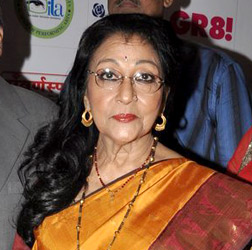

Early life and career beginnings
Born Alda Sinha in Calcutta (now Kolkata) in 1936, she adopted the screen name Mala Sinha as she entered the film industry. She began working in films in the late 1940s and early 1950s and gradually moved from regional productions into mainstream Hindi-language cinema. By the mid-1950s she had become a regular leading lady and an established box-office presence.
Major films and notable roles
Sinha's filmography spans a range of genres, from romantic dramas to family melodramas and social-issue pictures. Her notable titles include Pyaasa (1957), which remains a landmark film of the era, and Anpadh (1962), a drama that addressed female illiteracy and social stigma. Other memorable films are Dil Tera Deewana (1962), Gumrah (1963), Bahurani (1963), Gehra Daag, Apne Huye Paraye, Jahan Ara, Himalaya Ki God Mein (1965), Nai Roshni, Aankhen (1968), Maryada (1971) and Babu. In many of these films she played characters who combined vulnerability with moral strength, and she was frequently cast in parts that revolved around family, social duty and personal sacrifice.
Acting style and screen persona
Mala Sinha was widely praised for expressive features and a controlled, measured acting style that conveyed inner feeling without overt melodrama. She was often chosen for roles that required emotional depth, empathy and dignity in the face of hardship. While some contemporary actresses were typecast in glamorous or comic parts, Sinha became associated with roles that foregrounded the emotional and social dilemmas faced by women, which made her performances resonate with audiences seeking both entertainment and social relevance.
Context and significance
Working during a period of rapid growth for Indian cinema, Sinha belonged to a generation of performers who helped shape the archetype of the leading woman in post-independence film. Her presence in both mainstream and issue-driven pictures contributed to a wider representation of women on screen: as victims of circumstance, as moral centres of family narratives, and sometimes as agents of change. Directors and producers of the period frequently cast her when a role demanded dignity, pathos and moral clarity.
Later career and legacy
From the late 1960s and into the 1970s Sinha gradually reduced her on‑screen output as tastes and industry dynamics changed, though she continued to appear in films and remained a respected figure in the film community. Retrospectives and histories of Hindi cinema often include her among the noteworthy actresses of mid-20th-century Indian film, and several of the films in which she appeared continue to be screened and discussed for their performances and themes.
Selected filmography
- Pyaasa (1957)
- Anpadh (1962)
- Dil Tera Deewana (1962)
- Gumrah (1963)
- Bahurani (1963)
- Gehra Daag
- Apne Huye Paraye
- Jahan Ara
- Himalaya Ki God Mein (1965)
- Nai Roshni
- Aankhen (1968)
- Maryada (1971)
- Babu
Her career is remembered for a combination of popular success and roles that engaged with social issues of the time. As a performer she remains a point of reference when discussing female stardom and the portrayal of complex women in the golden decades of Hindi cinema.
Related articles
Author
AlegsaOnline.com Mala Sinha Leandro Alegsa
URL: https://en.alegsaonline.com/art/125724