
Luis Posada Carriles
Cuban exile militant (1928–2018) whose anti‑Castro activities, alleged ties to U.S. intelligence, and accusations of terrorism—including the 1976 Cubana Flight 455 bombing—made him a divisive figure.
Overview
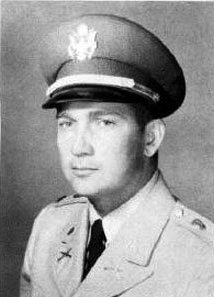
Luis Clemente Posada Carriles (1928–2018) was a Cuban exile militant whose career combined paramilitary actions, intelligence relationships and prolonged legal controversy. After the 1959 Cuban revolution he became active in anti‑Castro networks and over decades was variously described as an operative used by U.S. intelligence and as a violent opponent of the Cuban government. Official assessments differed: some records and commentators note links to the CIA, while agencies such as the FBI and the Cuban government labeled him a terrorist.
Image gallery
3 Images

Activities and major allegations
Posada’s name is associated with a number of clandestine and violent operations aimed at the Cuban state and its supporters. The most prominent allegation concerns the 1976 bombing of Cubana de Aviación Flight 455, which exploded shortly after takeoff from Barbados and killed 73 people; Cuban and Venezuelan authorities long identified suspects connected to exile networks. Observers also linked him to sabotage campaigns, bombings against tourism sites in Cuba in the 1990s, and other acts targeting Cuban officials and infrastructure. Supporters described many of these operations as part of a long struggle against Fidel Castro’s government.
Legal proceedings and international disputes
Throughout his life Posada moved between countries, facing arrest, detention and legal actions in several jurisdictions. He was detained in Venezuela in the wake of the 1976 attack and later escaped custody. In the United States he was prosecuted on immigration‑related charges and questioned about alleged violent acts; some extradition requests from Cuba and Venezuela were not granted by U.S. authorities. Trials, acquittals in some cases, and unresolved accusations contributed to a complex legal record and persistent diplomatic friction among the governments involved.
Legacy and differing perspectives
Posada remained a polarizing figure until his death in Miami on May 23, 2018. To many Cuban exiles and anti‑Castro activists he was regarded as a militant veteran fighting a dictatorship. To victims’ families, human rights advocates and governments opposed to violent political methods he was seen as responsible for terrorism and civilian deaths. His life highlights debates over the use of irregular actors during the Cold War, the challenges of transnational justice, and how political violence is defined and prosecuted across borders.
- Notable allegation: involvement in the 1976 downing of Cubana Flight 455 (73 fatalities).
- Contested classification: reported ties to U.S. intelligence versus formal designations as a terrorist by some agencies.
- Legal aftermath: multiple arrests, escapes, prosecutions and unresolved extradition requests that fueled international debate.
Related articles
Author
AlegsaOnline.com Luis Posada Carriles Leandro Alegsa
URL: https://en.alegsaonline.com/art/125540