
Luiz Felipe Scolari
Brazilian football manager Luiz Felipe Scolari, nicknamed Felipão, is best known for leading Brazil to the 2002 World Cup and for high-profile spells with Portugal, Palmeiras and Guangzhou Evergrande.
Luiz Felipe Scolari (born 9 November 1948) is a Brazilian football manager widely known by the nickname Felipão. He rose to global prominence when he led the Brazil national team to victory at the 2002 FIFA World Cup. Over a long career he has held prominent positions at club and international level in South America, Europe and Asia and has remained a visible figure in world football for decades.
Image gallery
8 Images





Career overview
Scolari began his managerial career in Brazilian club football and won major domestic honours with teams including Palmeiras, where he built a reputation for blending disciplined structure with traditional Brazilian attacking flair. He took charge of the Portugal national team and guided them to the UEFA Euro 2004 final, further raising his international profile. His club appointments included a notable period at Guangzhou Evergrande in China, where he won multiple league titles and continental honours, and a brief spell in English club football.
Style and methods
Scolari is known for emphasising organisation, physical preparation and collective spirit. He places strong focus on team unity and motivation, preferring clear tactical roles and a pragmatic balance between defence and attack. His methods have been praised for producing disciplined, resilient teams but have also attracted criticism when results were inconsistent or when pragmatic choices reduced attacking fluidity.
Notable achievements and moments
- Head coach of Brazil when the team won the 2002 FIFA World Cup, the high point of his international career.
- Led Portugal to the final of UEFA Euro 2004, establishing the nation among the era's strongest sides.
- Success with Palmeiras, including major domestic and continental trophies that cemented his reputation in South America.
- Multiple Chinese Super League titles and an AFC Champions League triumph with Guangzhou Evergrande during a successful period in Asia.
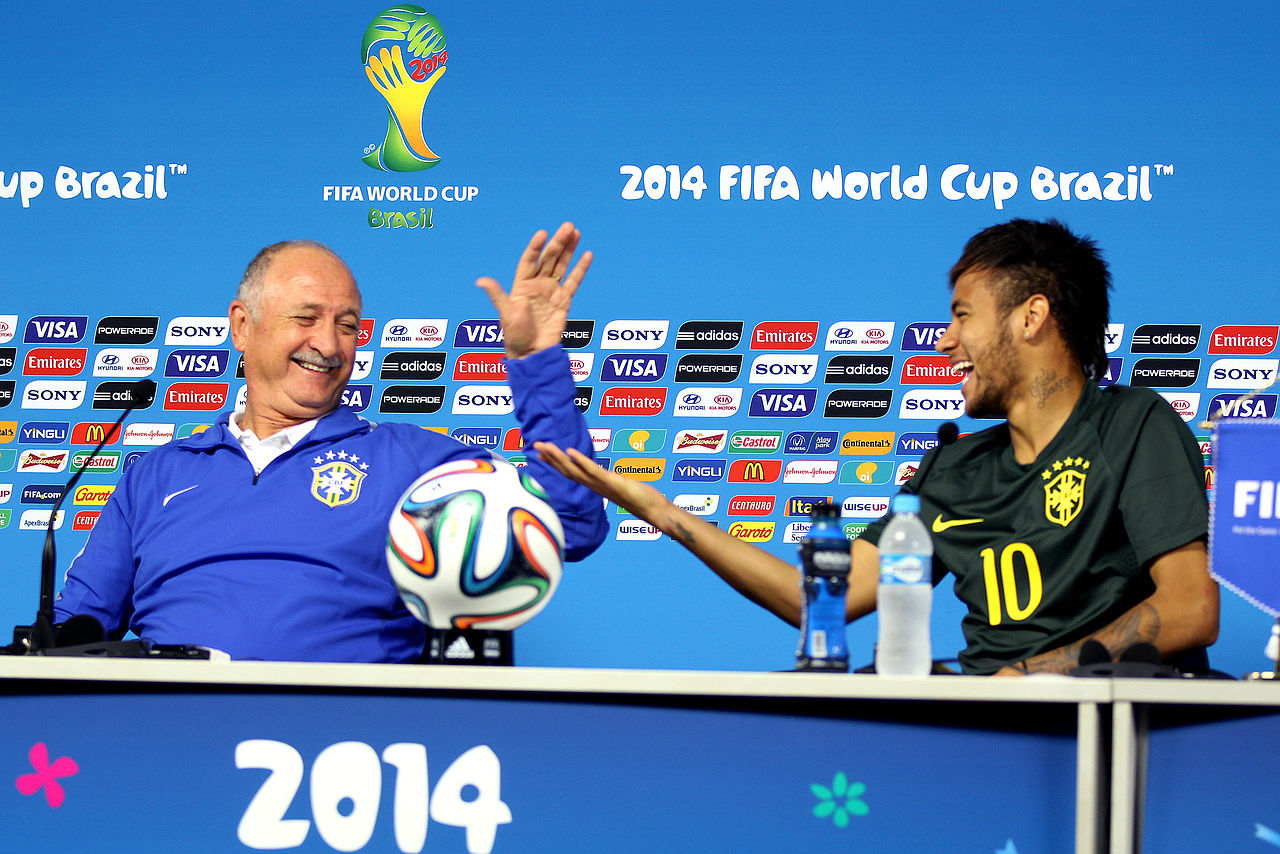
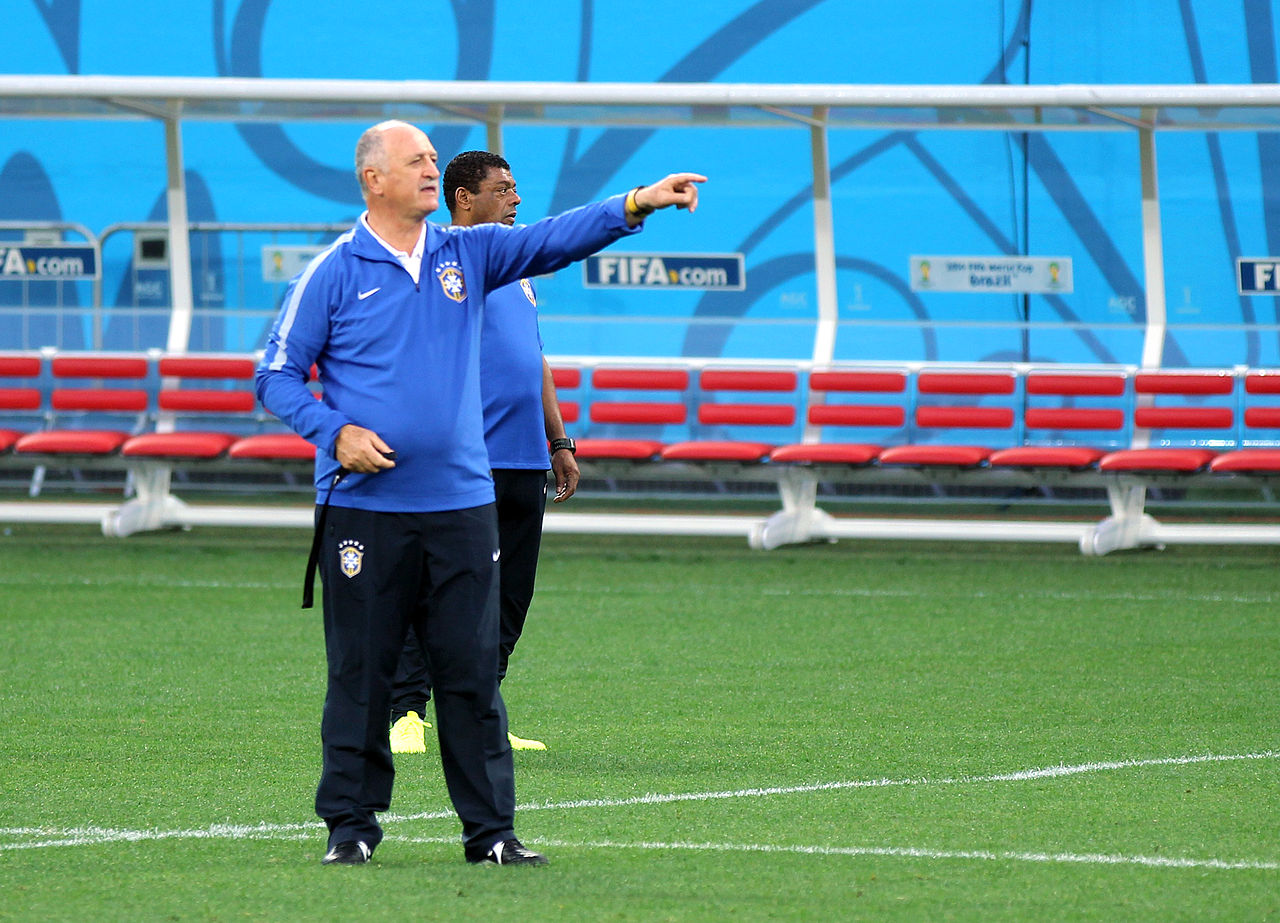
- Returned as Brazil coach for the 2014 World Cup; the campaign included historic highs and a heavy semi-final defeat that became a defining moment of his later tenure.
Legacy
Scolari remains a polarising but influential figure: admired for his trophy-winning record and ability to galvanise squads, while sometimes criticised for tactical conservatism or uneven club results. His 2002 World Cup triumph and his work with national teams and clubs around the world ensure he is widely regarded as one of the most recognizable coaches of his generation. For further biographical detail see biographical sources and for an outline of his managerial record consult career profiles.
Related articles
Author
AlegsaOnline.com Luiz Felipe Scolari Leandro Alegsa
URL: https://en.alegsaonline.com/art/125545